
【IAS】Professor Jacob SOLL Speaks in Distinguished Guest Lecture at IAS
【高研院】由蘇雅學教授主講之特邀嘉賓講座圓滿舉行

| The IAS promotional video has been launched! We cordially invite you to watch and help spread the word! | ||
|
English |
|
中文 |
|
On the occasion of the fifth anniversary of the Institute for Advanced Studies in Humanities and Social Sciences at the University of Macau, we would like to express our gratitude for your unwavering support to us. Your involvement and support have helped build a strong foundation for our interdisciplinary research platform and inspired us to keep moving forward. The IAS is excited to carry on our mission, rooted in Macau, by organizing high-quality academic activities that showcase the diversity of academic collaboration. |
||

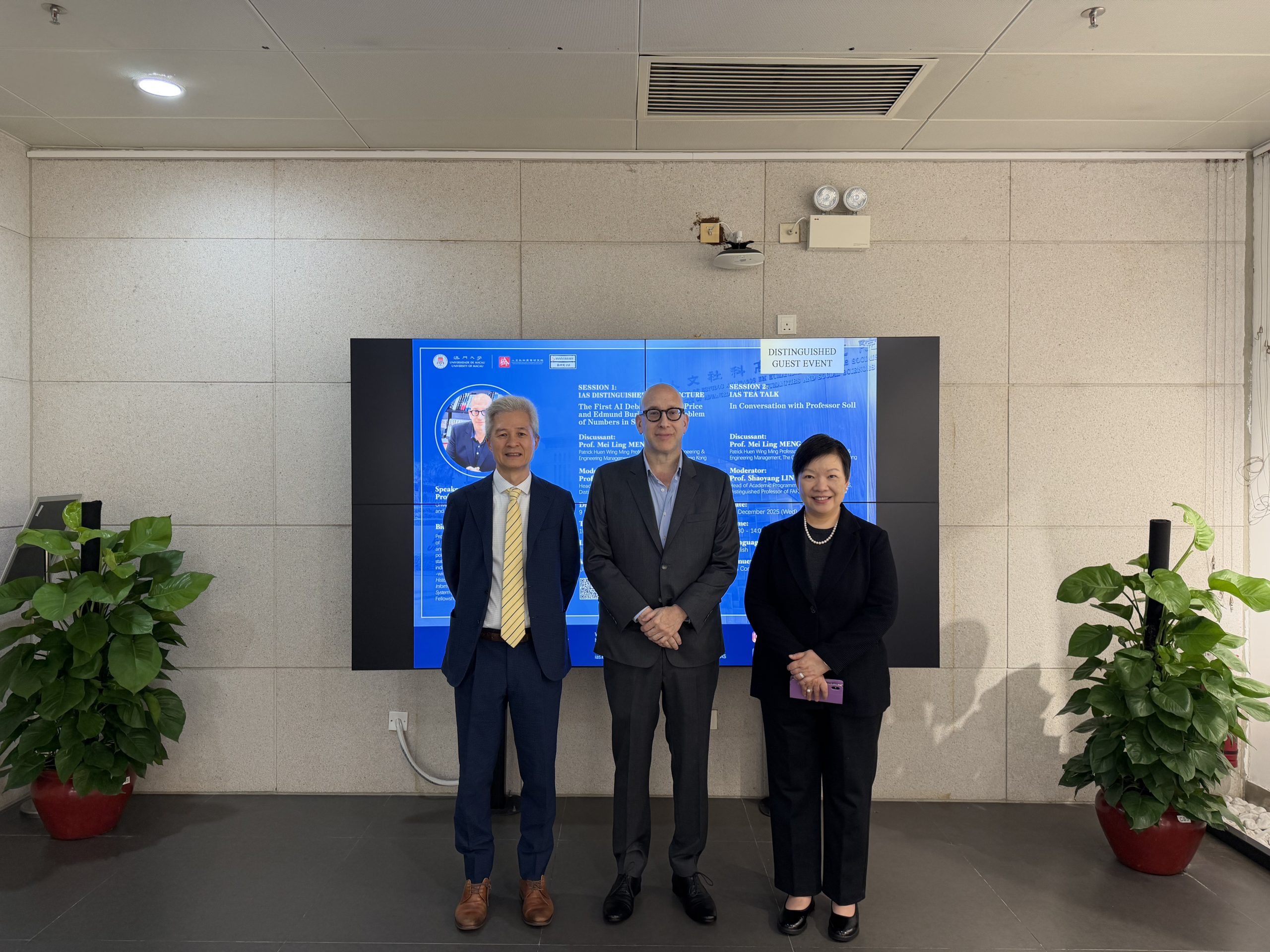
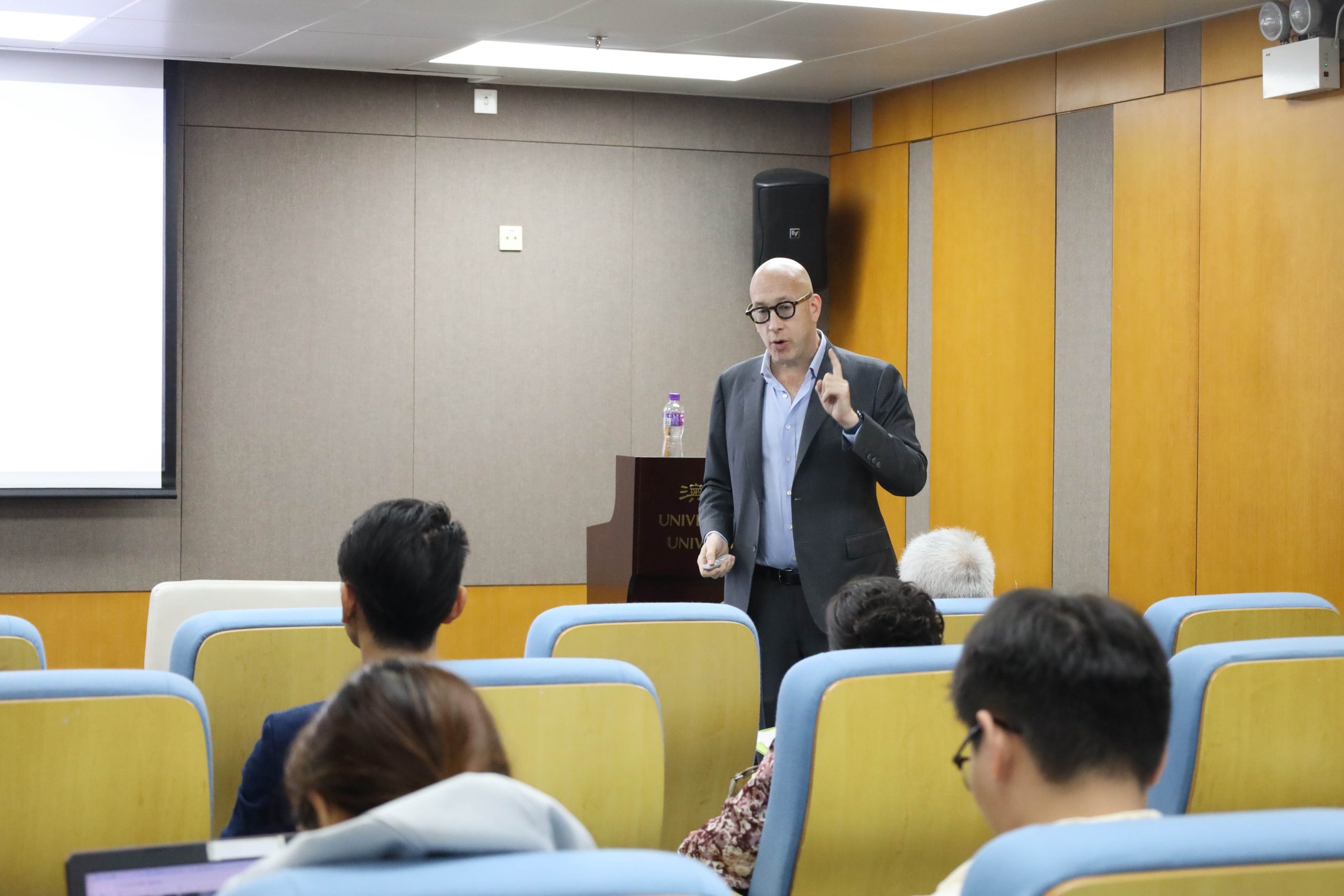
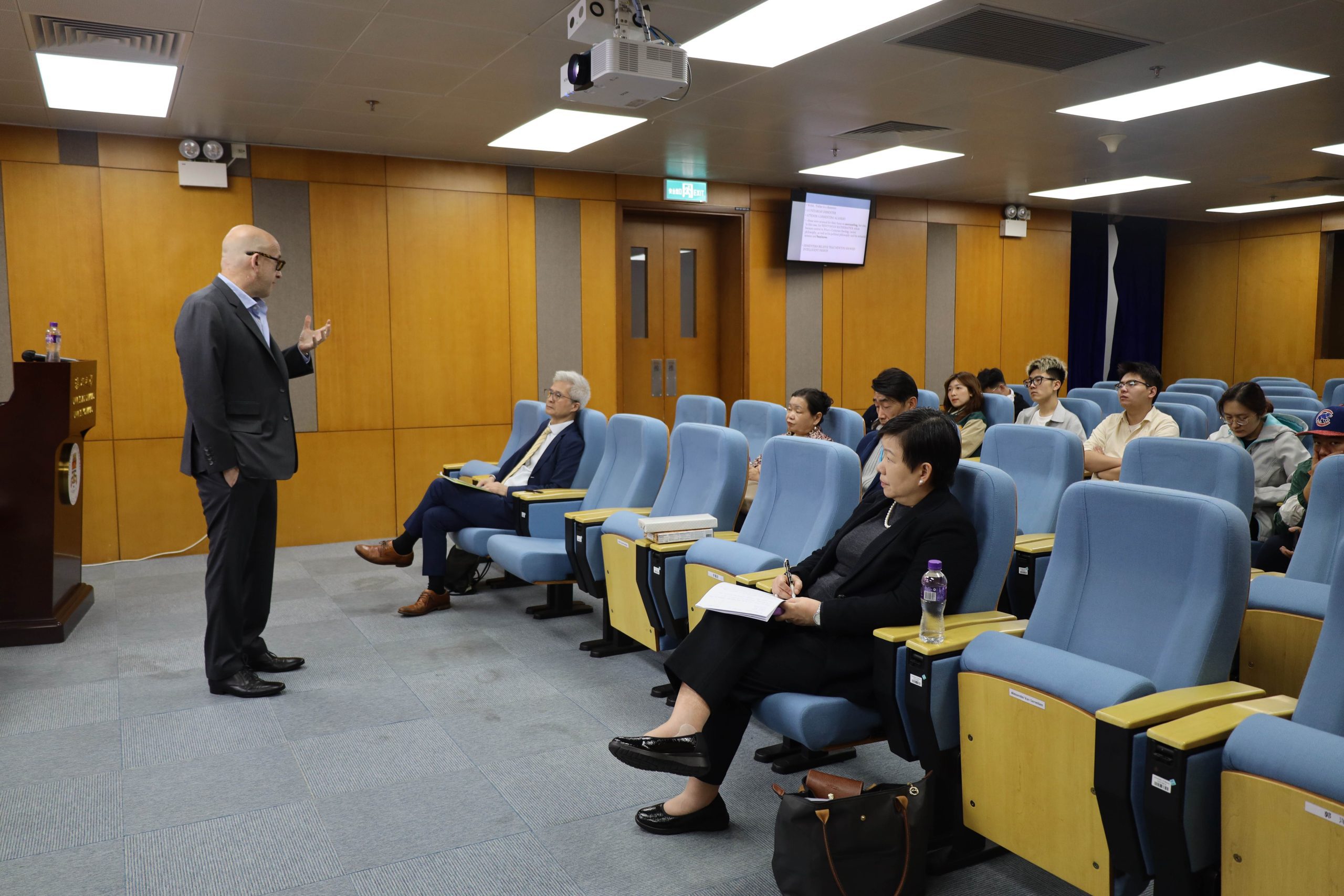
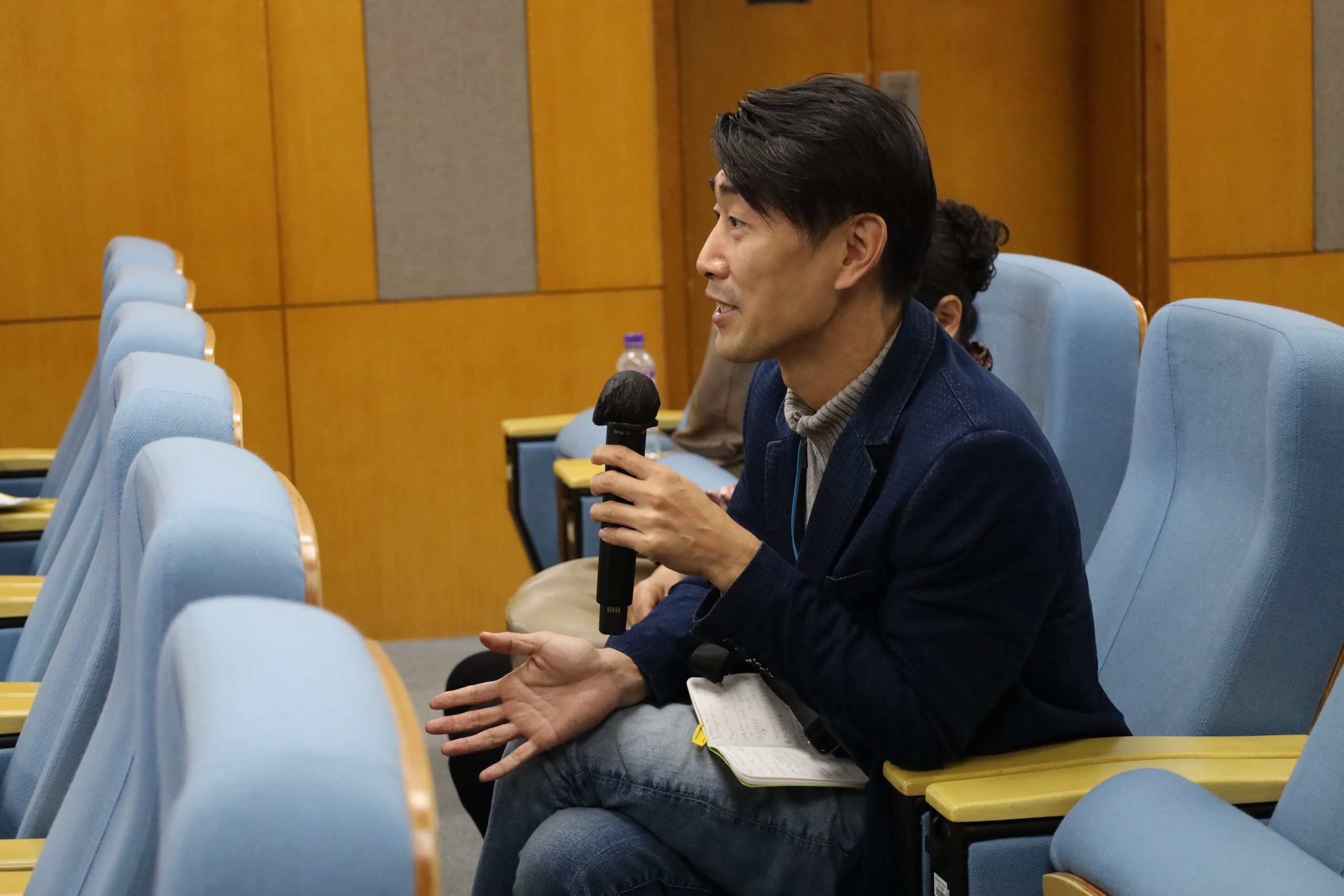
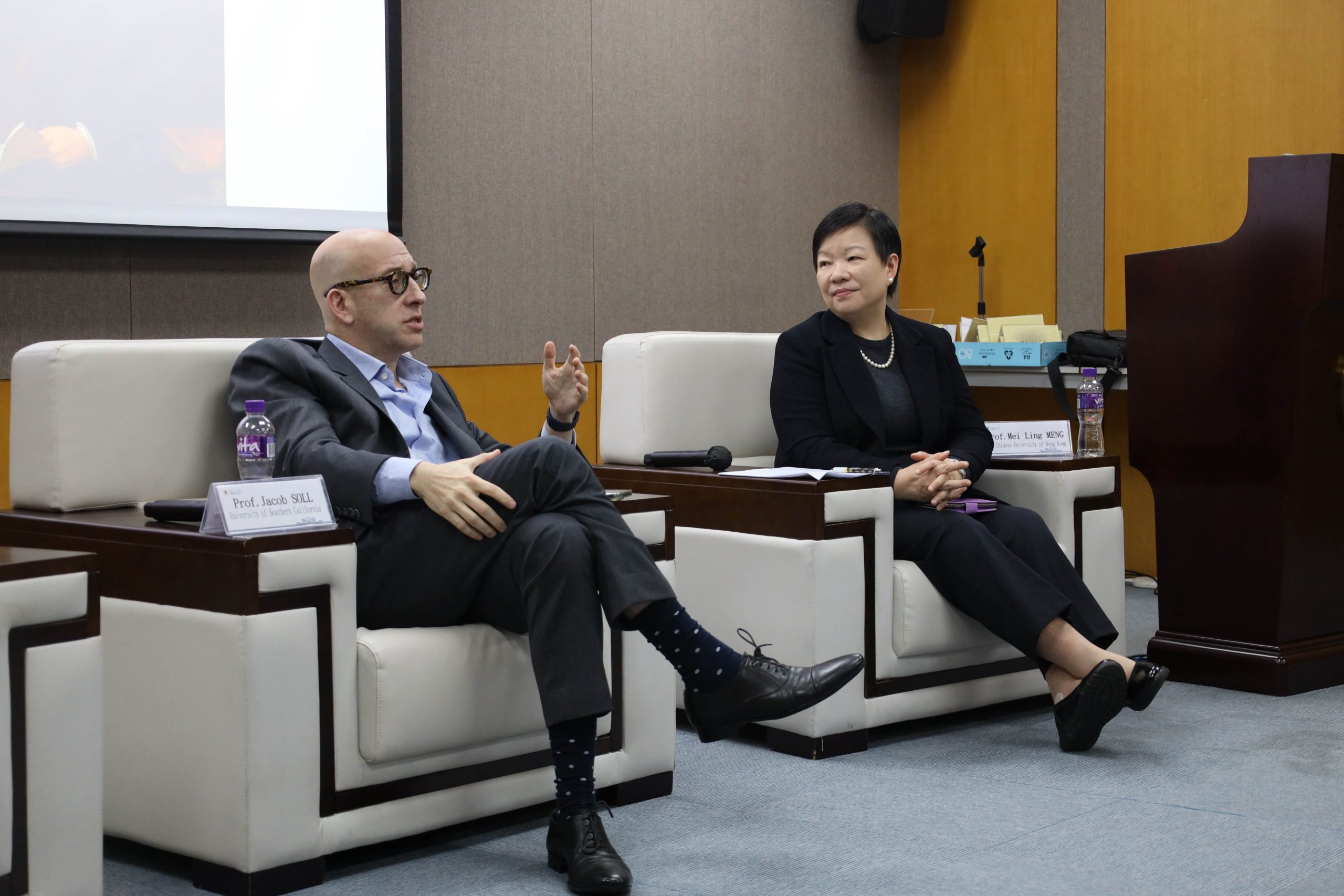
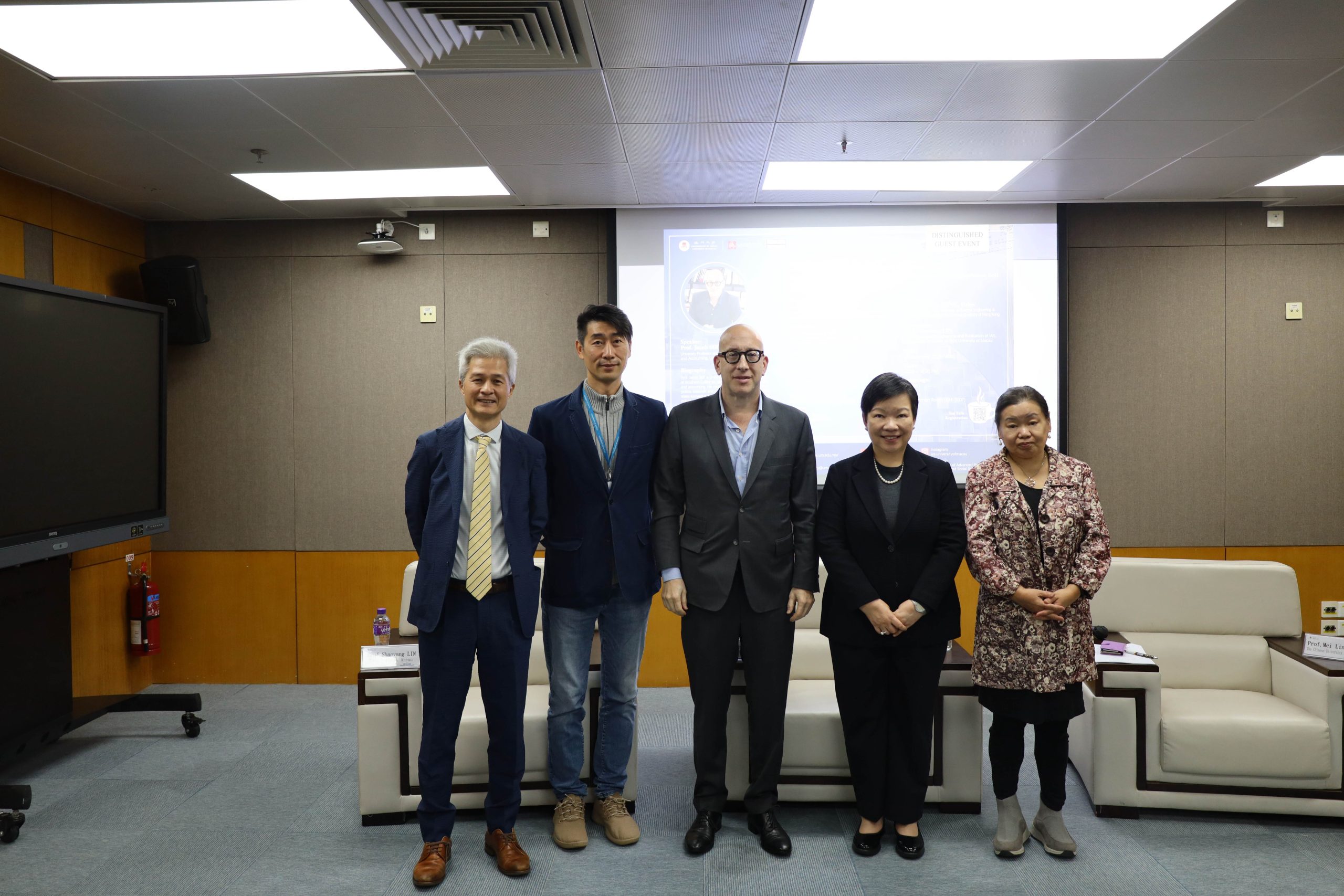
12月9日,澳門大學人文社會科學高等研究院(IAS)成功舉辦題為“The First AI Debate: Richard Price and Edmund Burke and the Problem of Numbers in Society”的專題講座。講座由南加州大學哲學、歷史與會計學教授暨大學教授蘇雅學(Jacob Soll)教授主講,由高研院學術項目與刊物主任、澳門大學人文學院歷史系特聘教授林少陽教授擔任主持。本次活動旨在重新發現18世紀被忽視的思想家理察·普萊斯(Richard Price)的思想遺產,並探討其與現代人工智能、金融及政治思想的深刻關聯。
蘇教授詳細闡述了理察·普萊斯的核心貢獻。他指出,普萊斯曾發現並發表湯瑪斯·貝斯(Thomas Bayes)未出版的定理,並將“審慎”概念與“貝葉斯邏輯”結合,提出在不確定的世界中,應以數據為基礎做決策,而非僅依賴道德美德或傳統,從而擴展了該理論的應用範圍。蘇教授還強調普萊斯的實際成就,包括運用精算數學共同創立第一家現代保險公司,並以其激進的平等主義思想影響《美國獨立宣言》。此外,他將普萊斯在18世紀與埃德蒙·伯克(Edmund Burke)關於“計算理性”與“傳統人文主義”的辯論,與當代人工智能(AI)所帶來的挑戰進行了比較。
在問答環節中,香港中文大學系統工程與工程管理學系教授、禤永明系統工程與工程管理講座教授蒙美玲教授擔任與談人,她與蘇教授展開深入交流。討論問題涵蓋多個領域,包括經濟學家如何看待普萊斯的數學模型、會計專業人士是否會被人工智能取代、人工智能帶來的效率與年輕人認知能力下降之間的取捨、普萊斯與伯克思想在當代中國治理中的反映,以及是否需要法律規範科技巨頭在數位審慎中的主導地位。這些對話凸顯了普萊斯思想在當今社會與學術挑戰中的持久價值。
本次講座吸引了來自不同院系的學者和學生,包括澳門大學人文學院哲學與宗教學系的張穎教授,以及澳門大學人文學院藝術及設計系的遲迅教授。透過重現理察·普萊斯與埃德蒙·伯克被遺忘的思想遺產,講座將歷史上的思想辯論與現代科技及社會議題相連結,為理解在日益數據驅動的世界中決策、自由與進步提供了新的跨學科視角。
On December 9, the Institute of Advanced Studies in Humanities and Social Sciences (IAS) at University of Macau successfully hosted the Distinguished Guest Lecture entitled “The First AI Debate: Richard Price and Edmund Burke and the Problem of Numbers in Society”. The lecture was delivered by Professor Jacob SOLL, who is a university professor and professor of Philosophy, History and Accounting at University of Southern California. Professor Shaoyang LIN, head of academic programme and publication of IAS, served as moderator. This event aimed to rediscover the ideological legacy of Richard Price, a neglected 18th-century thinker, and explore its profound connections with modern AI, finance, and political thought.
Professor Soll elaborated on core contributions of Richard Price. Price discovered and published Thomas Bayes’ unpublished theorem. Through reconstructing and integrating the concept of “prudence” with Bayesian logic which advocates for making a decision based on data rather than relying solely on moral virtue or tradition in an uncertain world, Price extended its application. Professor Soll highlighted Price’s practical achievements, such as co-founding the first modern insurance company using actuarial mathematics and influencing the U.S. Declaration of Independence with his radical egalitarian ideas. Additionally, Professor Soll drew parallels between Price’s 18th-century debates with Edmund Burke over computational rationality versus traditional humanism, as well as contemporary dilemmas posed by artificial intelligence (AI).
During the Q&A session, Professor Mei Ling MENG, Helen, Patrick Huen Wing Ming Professor of Systems Engineering and Engineering Management at The Chinese University of Hong Kong, served as discussant. Professor Meng and participants engaged in in-depth discussions with Professor Soll. Questions covered diverse areas, including how economists skeptical of rational calculation view Price’s mathematical models, whether accounting professionals will be replaced by AI, the trade-off between the efficiency offered by AI and cognitive decline shown in young people, the reflection of Price’s and Burke’s ideas in contemporary Chinese governance, and the need for legal regulation of tech giants dominance in digital prudence. These dialogues underscored the timeless relevance of Price’s thoughts to modern societal and academic challenges.
The lecture attracted a diverse audience of scholars and students from different faculties, including Professor Ellen ZHANG from the Department of Philosophy and Religious Studies and Professor Xun CHI from the Department of Arts and Design in the Faculty of Arts and Humanities at University of Macau. By reviving the forgotten legacy of Richard Price and Edmund Burke, the lecture bridged historical intellectual debates with modern technological and social issues, offering new interdisciplinary perspectives for understanding decision-making, freedom, and progress in an increasingly data-driven world.