
CTLE held Half-day Professional Development Event on Fundamentals of Education in AI Era
教與學優化中心辦專業發展活動 關注人工智能時代教育的基礎知識

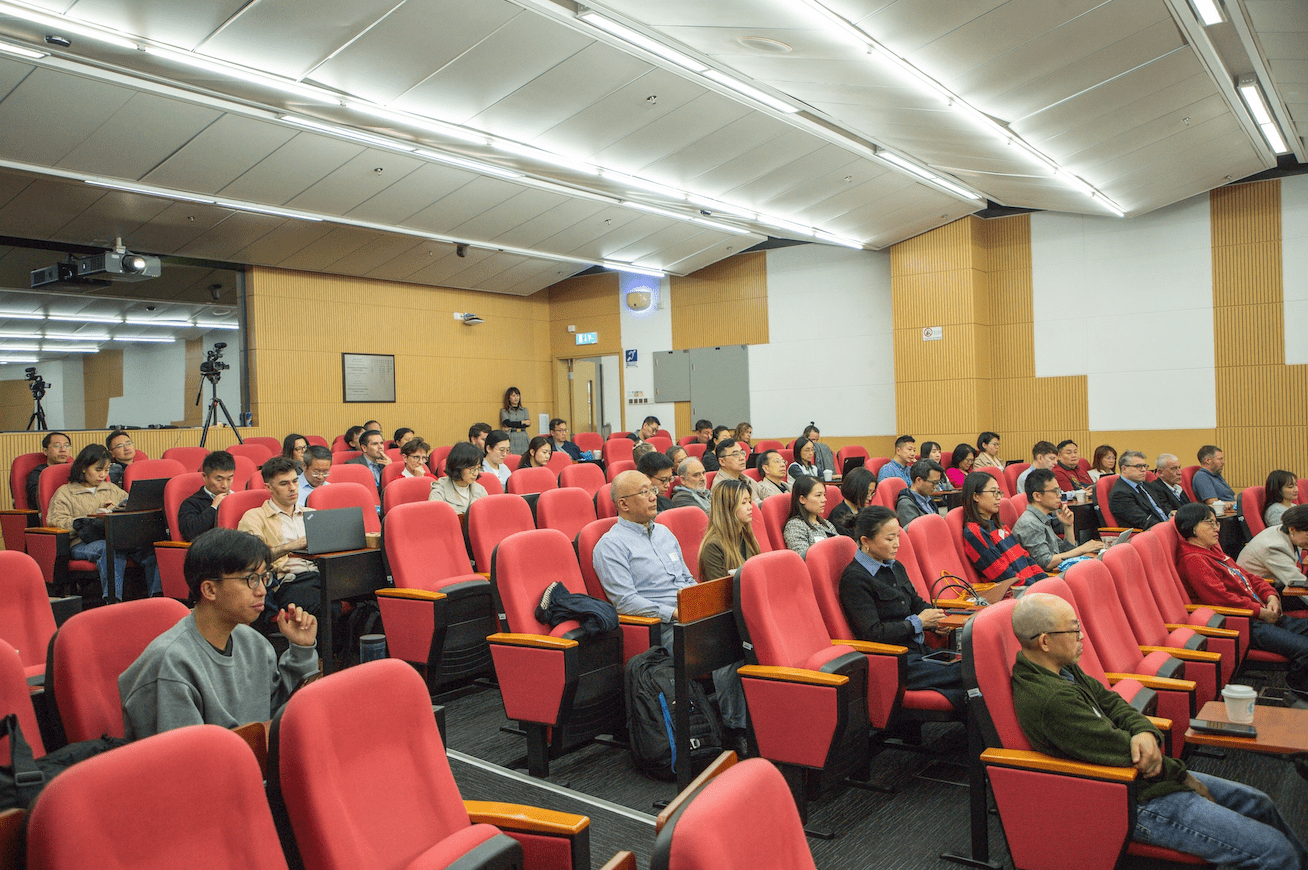
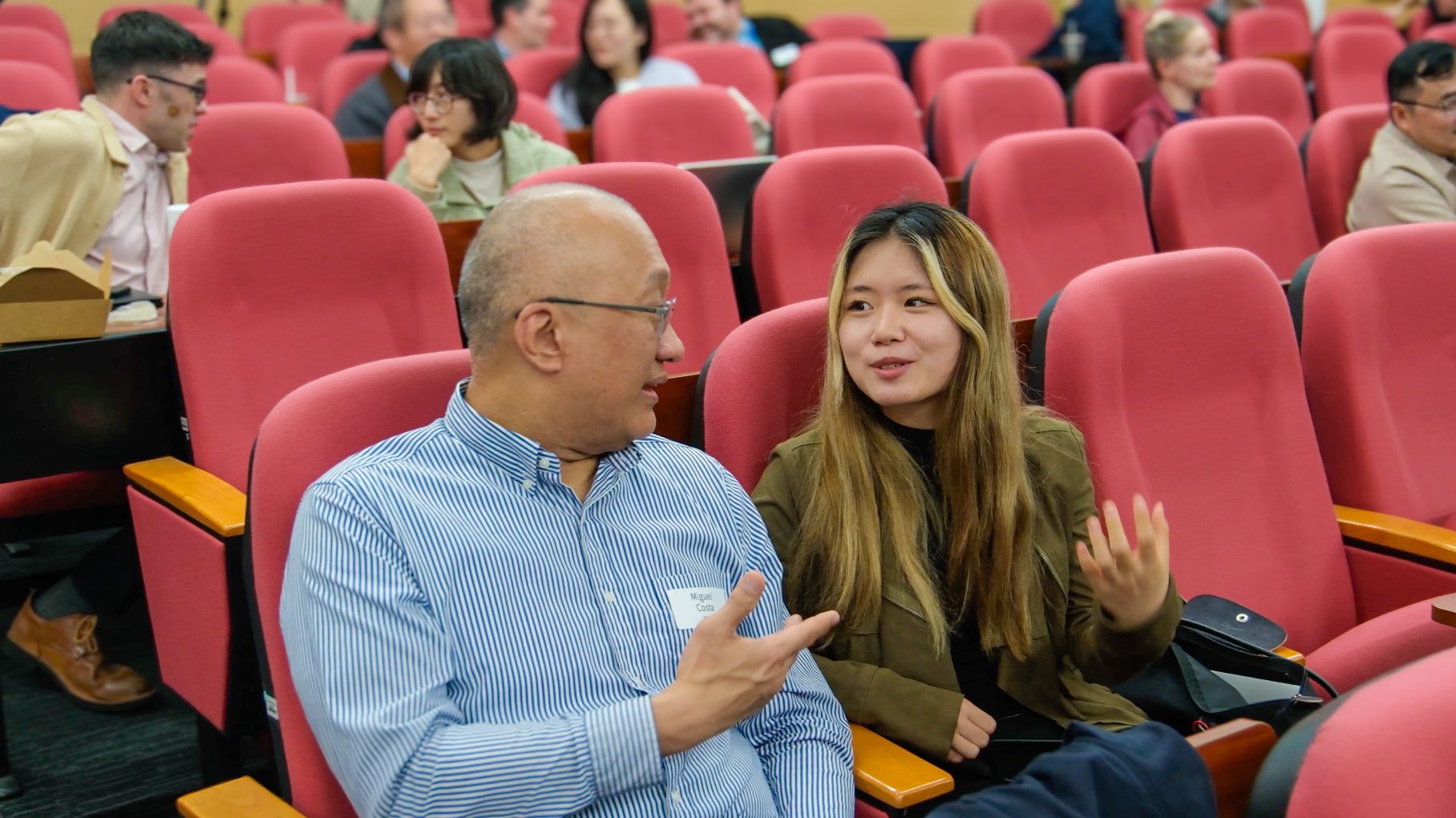
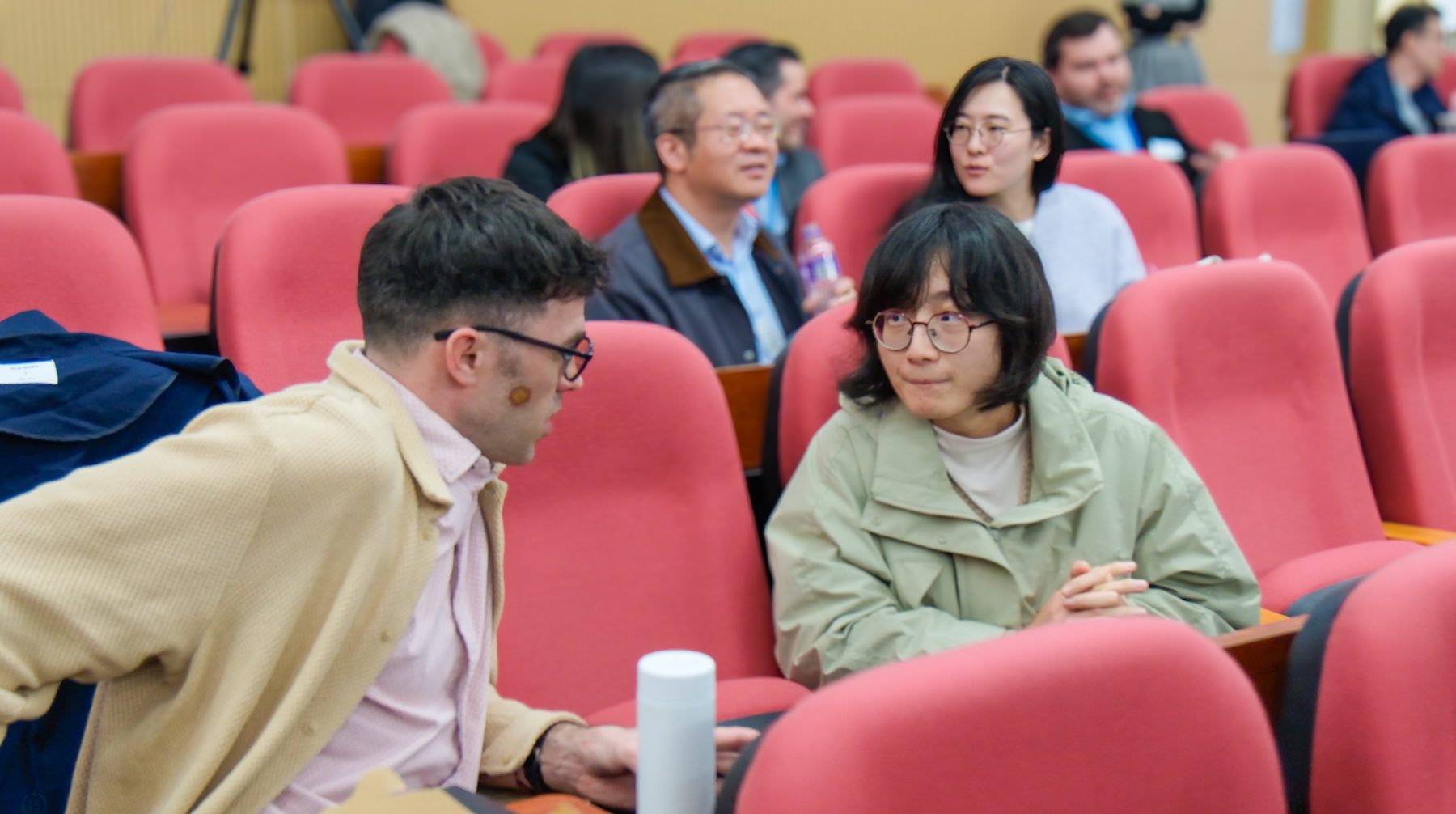
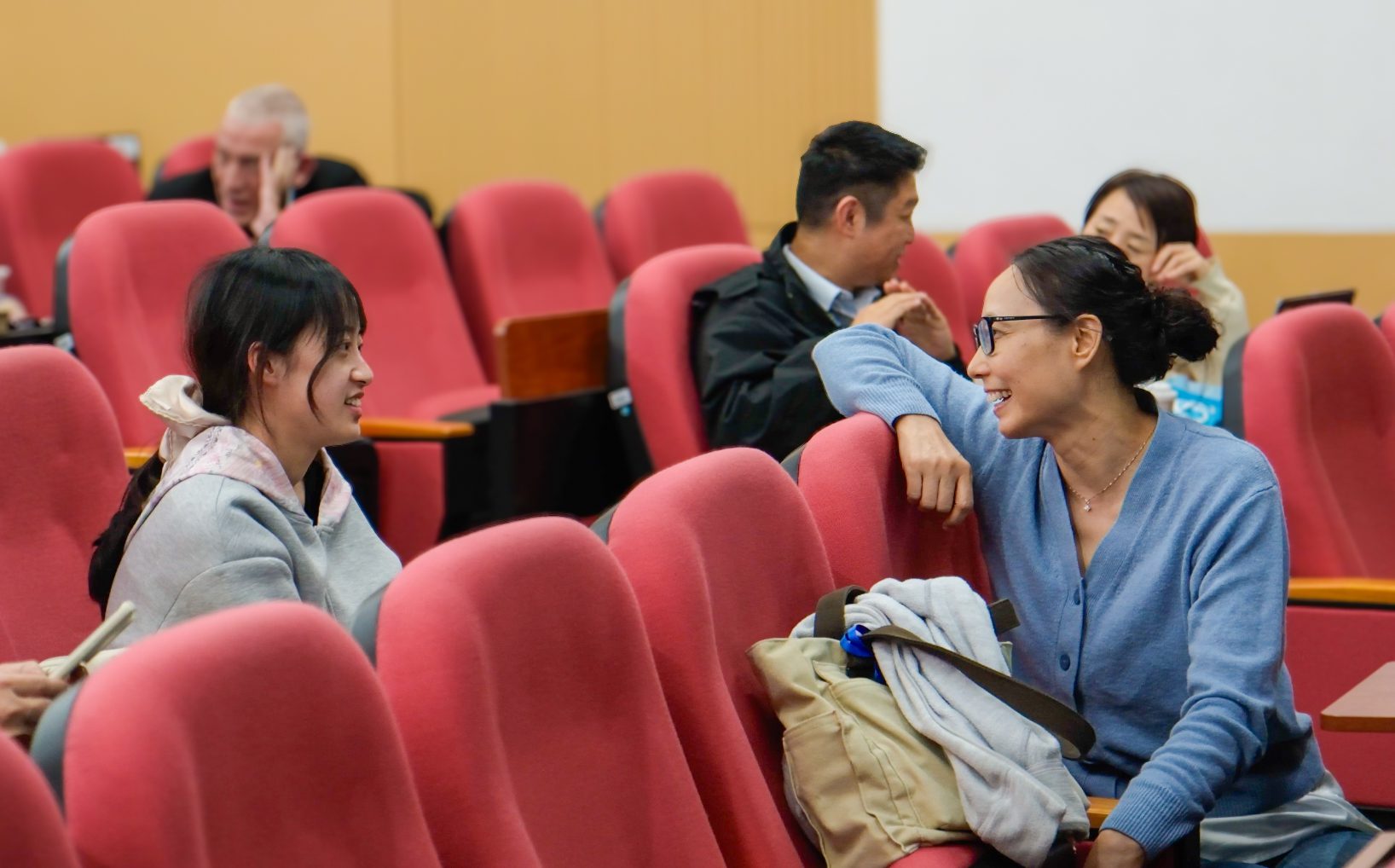
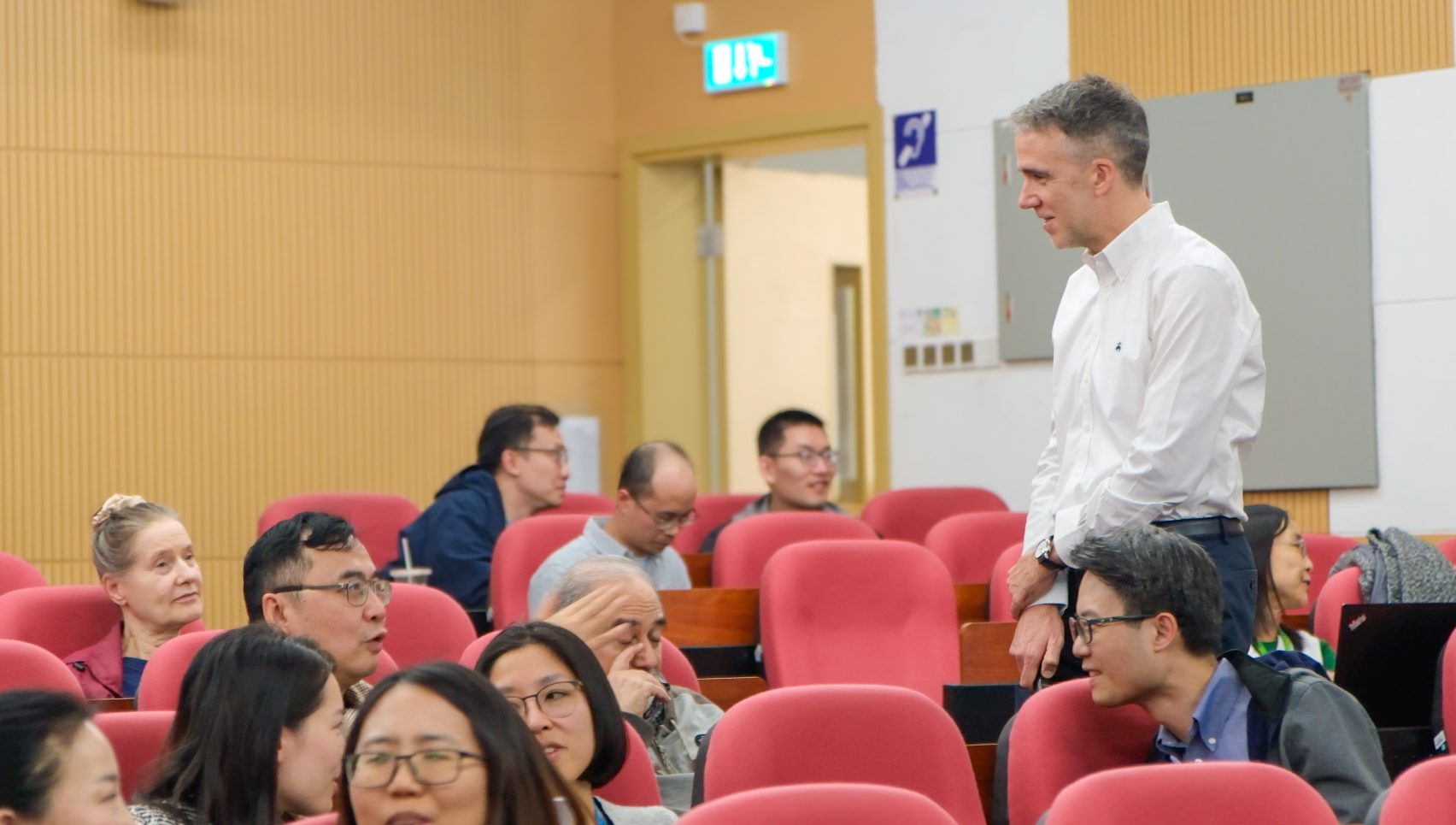
On 28 January, CTLE held a dynamic half-day professional development event, focusing on fundamentals of education in AI era. Nearly 80 UM academic colleagues joined the event.
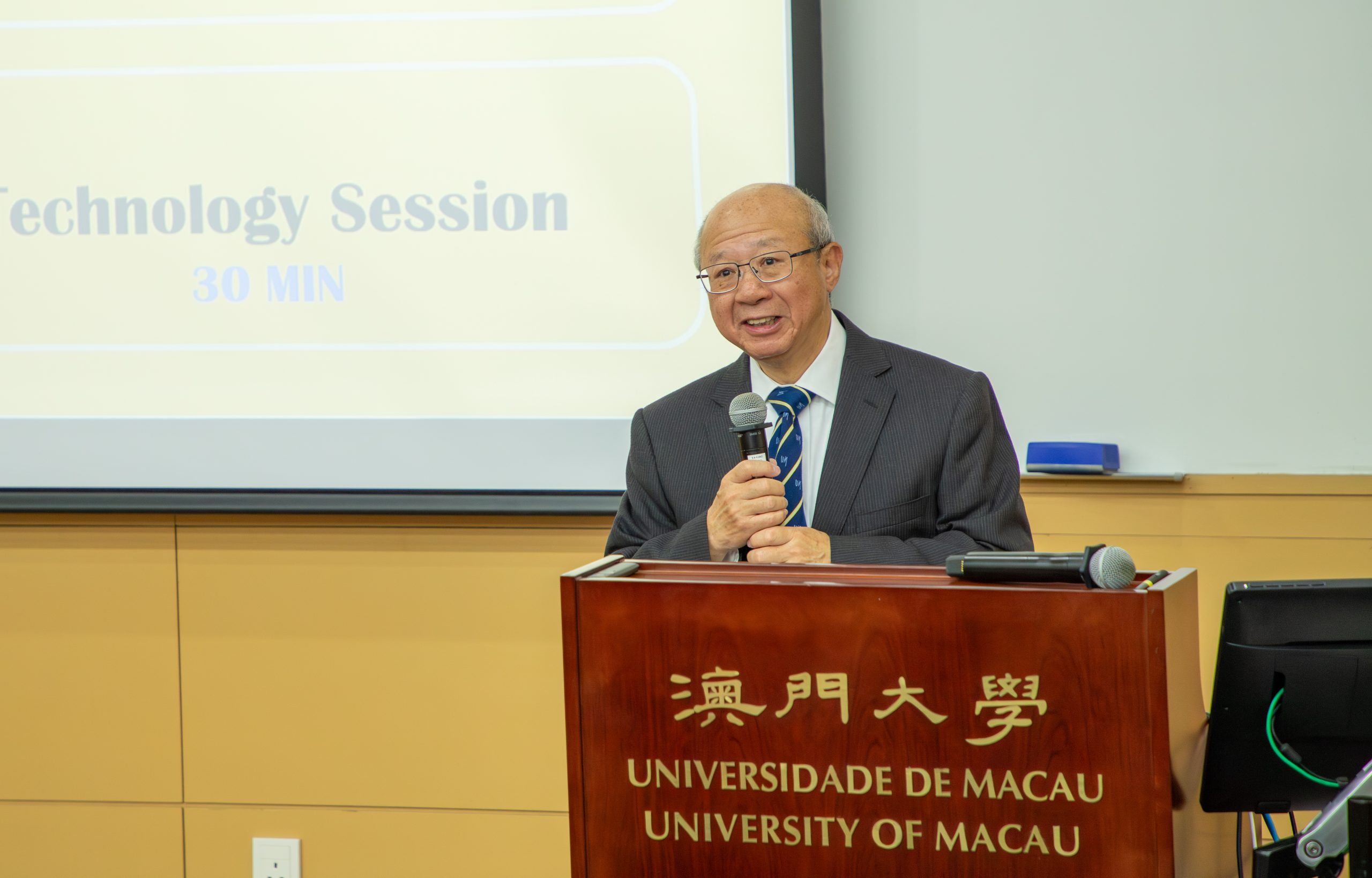
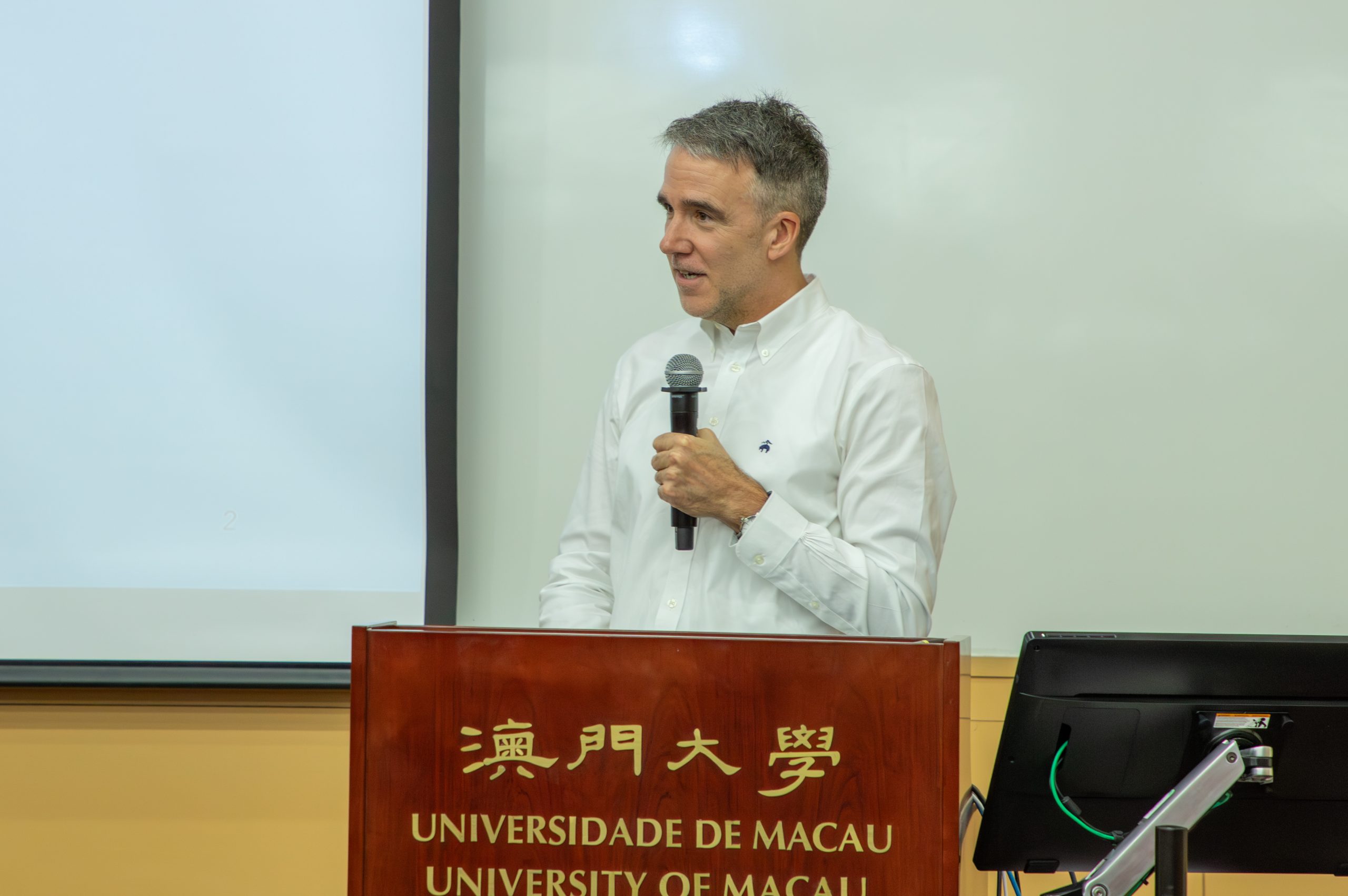
Prof. Michael Hui (Vice Rector for Academic Affairs) led the kick-off of the event. In his opening remarks, quoting the slogan of UM’s 45th anniversary, he posed a few questions about the future of teaching and learning in university education in the age of AI.
GenAI can generate answers in seconds but cannot replace learning with our own minds.
The future of education still lies in human skills.
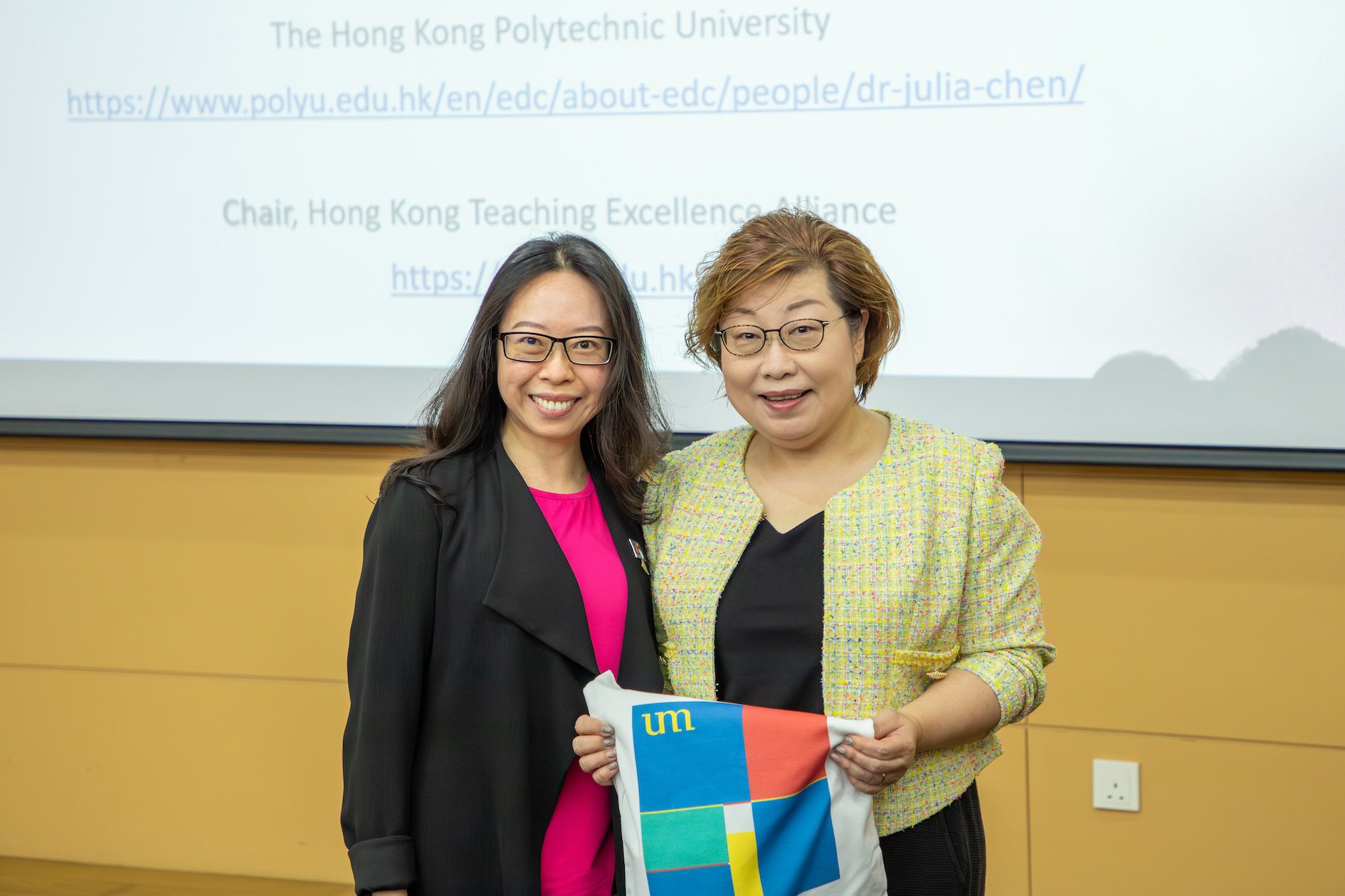
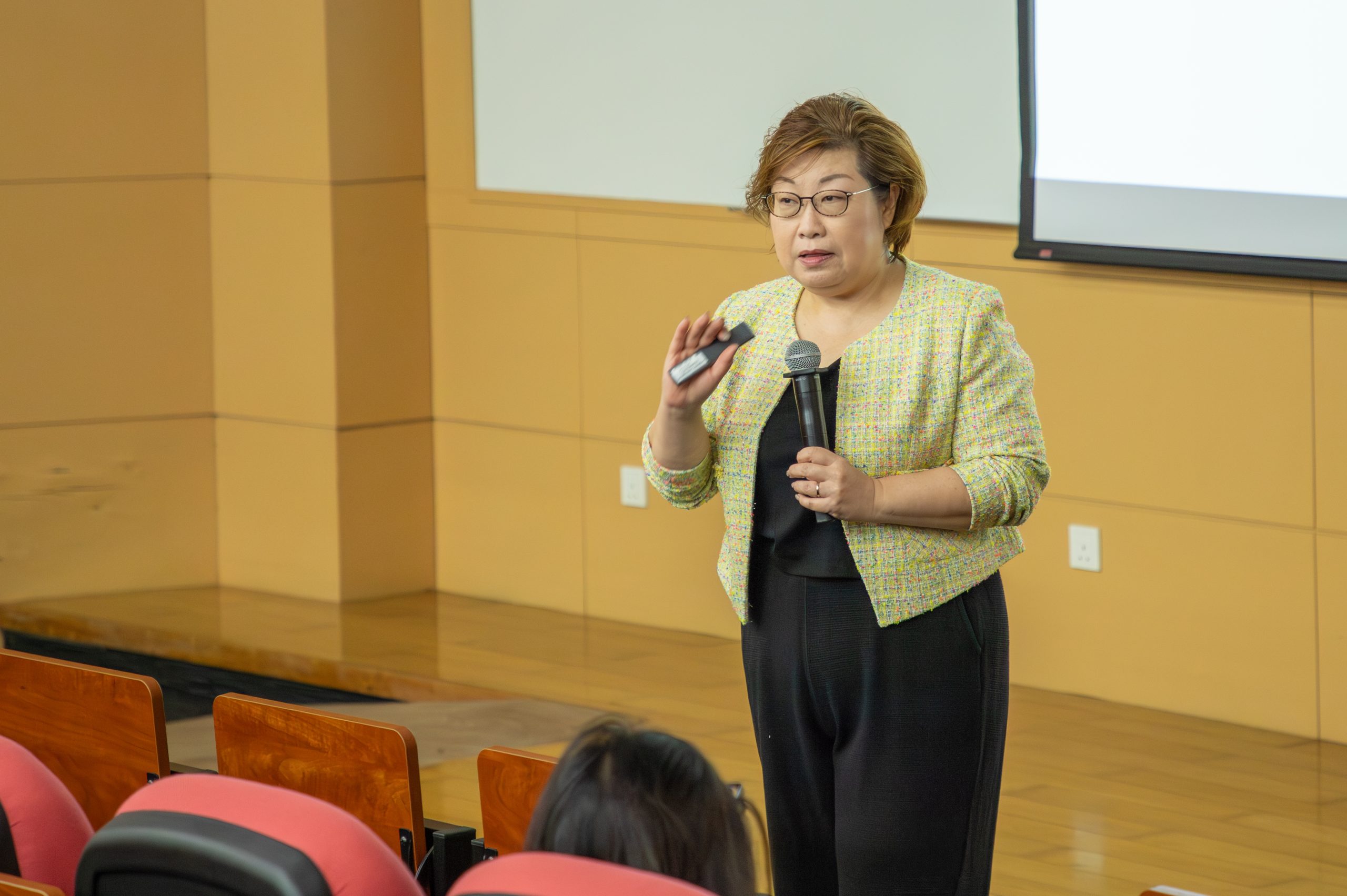
During her plenary session entitled ‘The sprint and the marathon: Learning and teaching transformations in the age of AI’, Dr. Juila Chen (The Hong Kong Polytechnic University) emphasised that educators must respond swiftly while teaching in order to support long-term transformation in higher education. She highlighted several emerging concerns, including learners’ reliance on AI, diminishing creativity, the rise of deepfakes, emotional dependency on AI tools and growing questions about the value of degrees and the purpose of attending university.
She also shared PolyU’s strategies, including AI policies and guidelines, literacy courses and assessment redesign, prioritising multiple stages and authentic tasks to ensure students demonstrate genuine understanding and application.
Dr. Chen further reminded the audience that universities must clarify what learning truly means, reaffirm the value of human‑centred education and prepare students for an increasingly complex and uncertain future, framed through VUCA/TUNA/BANI perspectives.
She proposed four key components of future-ready education: techno‑competency, disciplinary training, soft skills, and the capacity to engage with the ‘unknown unknowns’. She also stressed that both teaching and learning processes need to spotlight cognitive onloading.
AI is not the future of learning: it is the present.
Students stand out not by how fast they use AI, but by how deeply they think, question and grow beyond it.
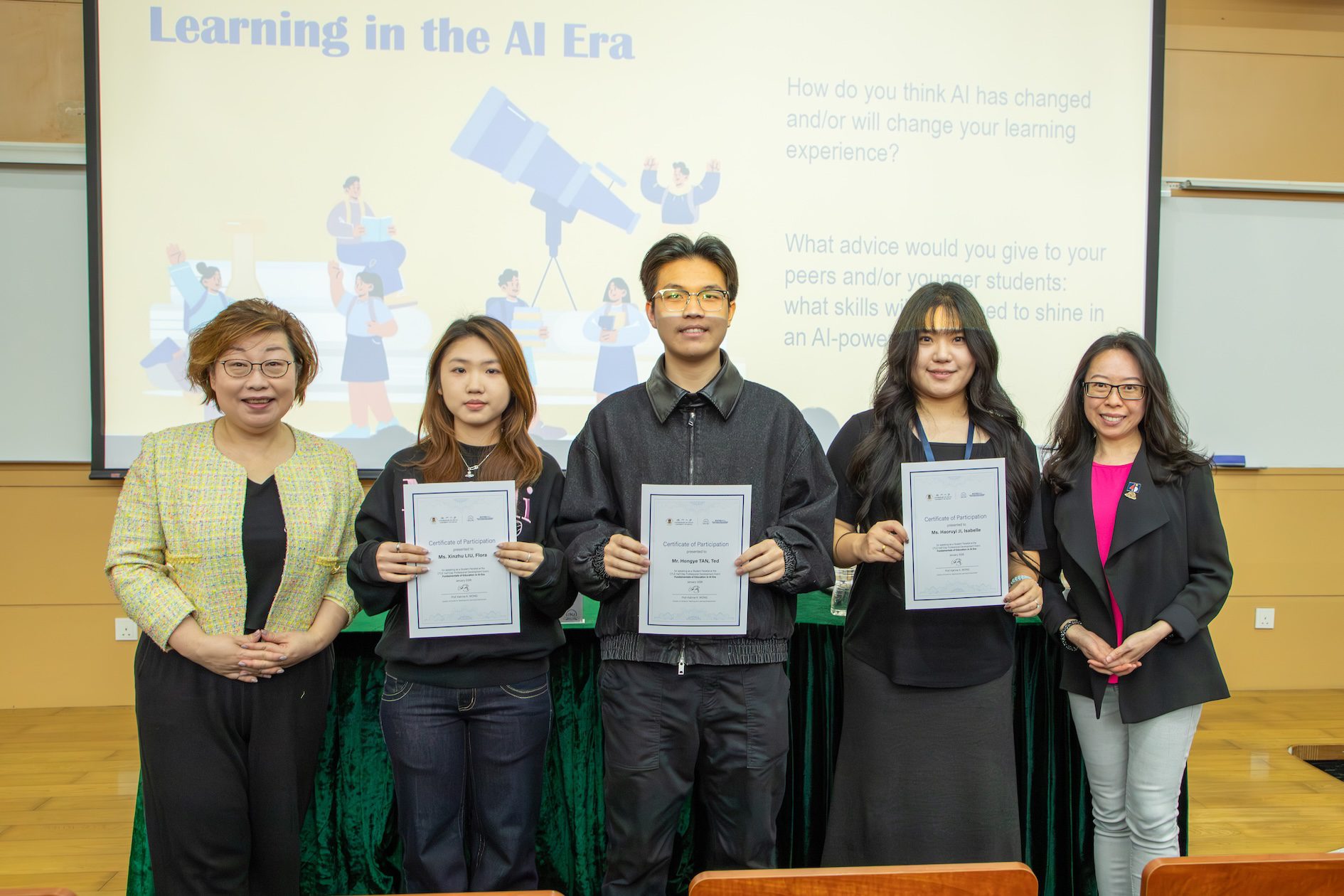
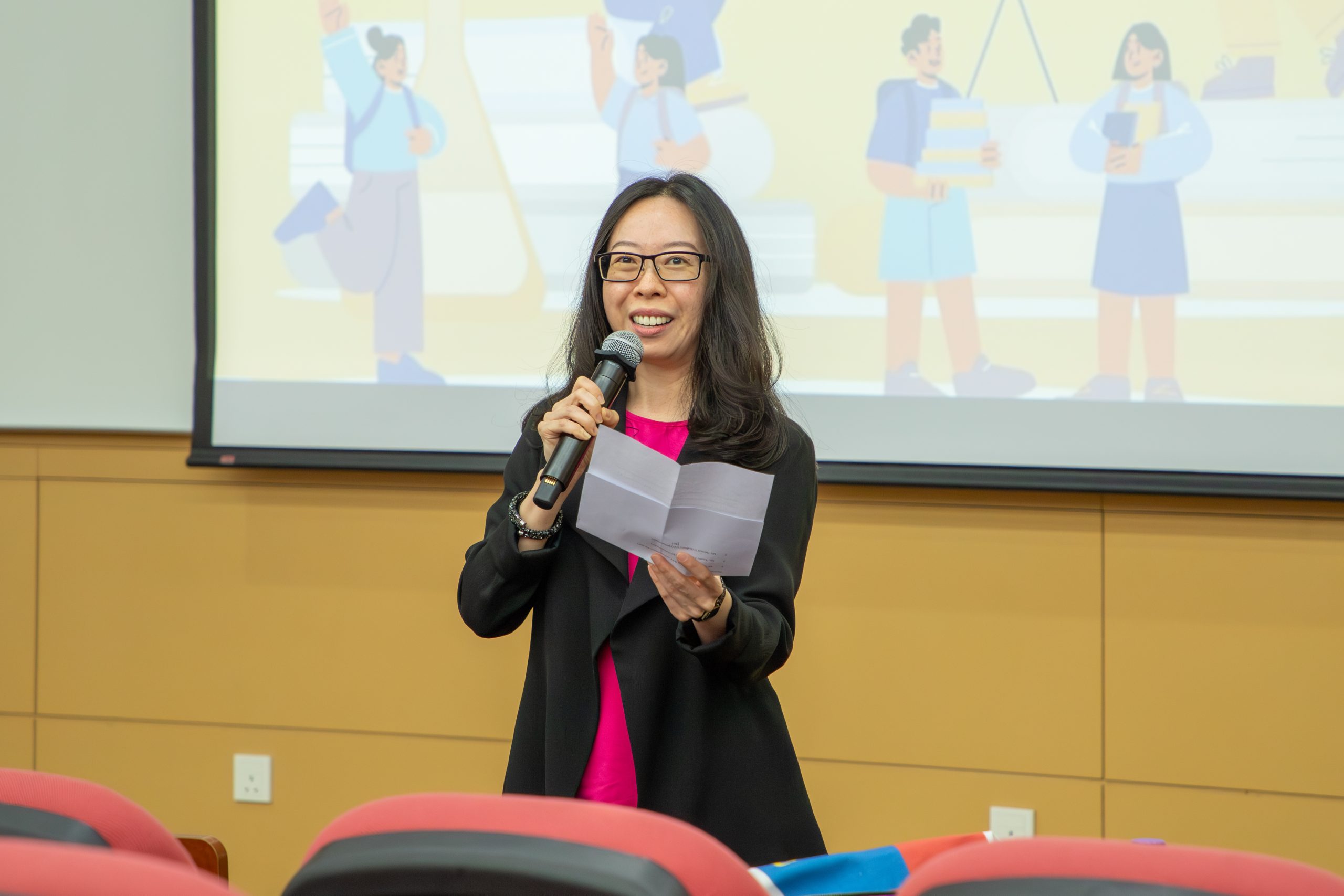
The event also invited three UM students to share their perspectives on the purpose of learning and personal growth thriving in the age of AI. The panel was moderated by Prof. Katrine WONG (DCTLE) and Dr. Julia CHEN.
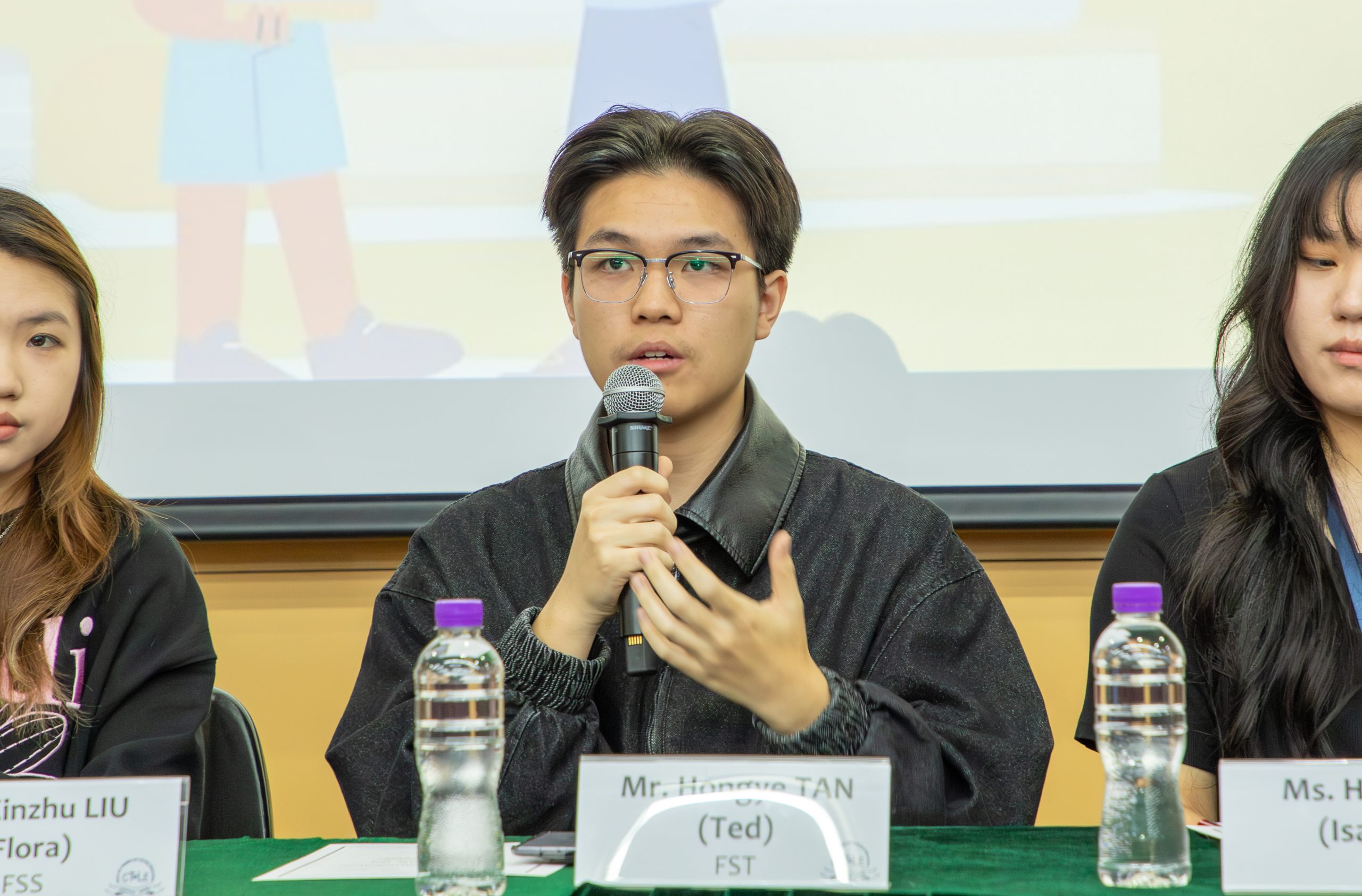
- Hongye TAN (FST) described AI as an efficient search engine that helps students overcome the challenge of identifying where to begin when learning new things. Without AI, he said, learning could be overwhelming. He believed that a year‑long GE course for first‑year students, with a focus on life goals, would be helpful. He also suggested the development of a university-wide platform for information exchange.
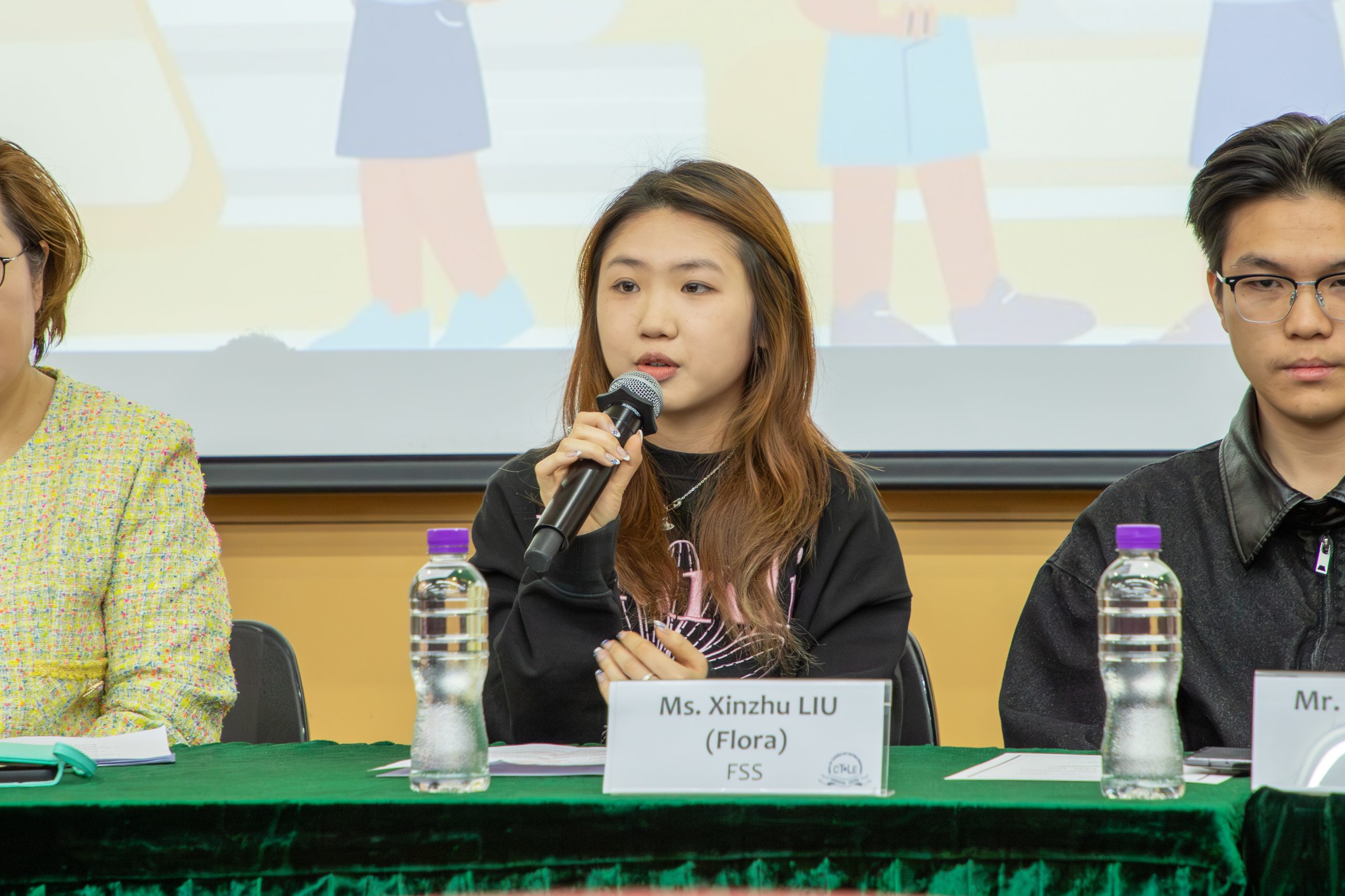
- Xinzhu LIU (FSS) shared that she uses AI to organise learning materials, strengthen critical thinking and brainstorm research ideas. She mentioned her experience with AI’s creative capabilities and suggested the creation of a GE course dedicated to AI literacy and ethics. She expressed a desire to remain engaged with UM after graduation.
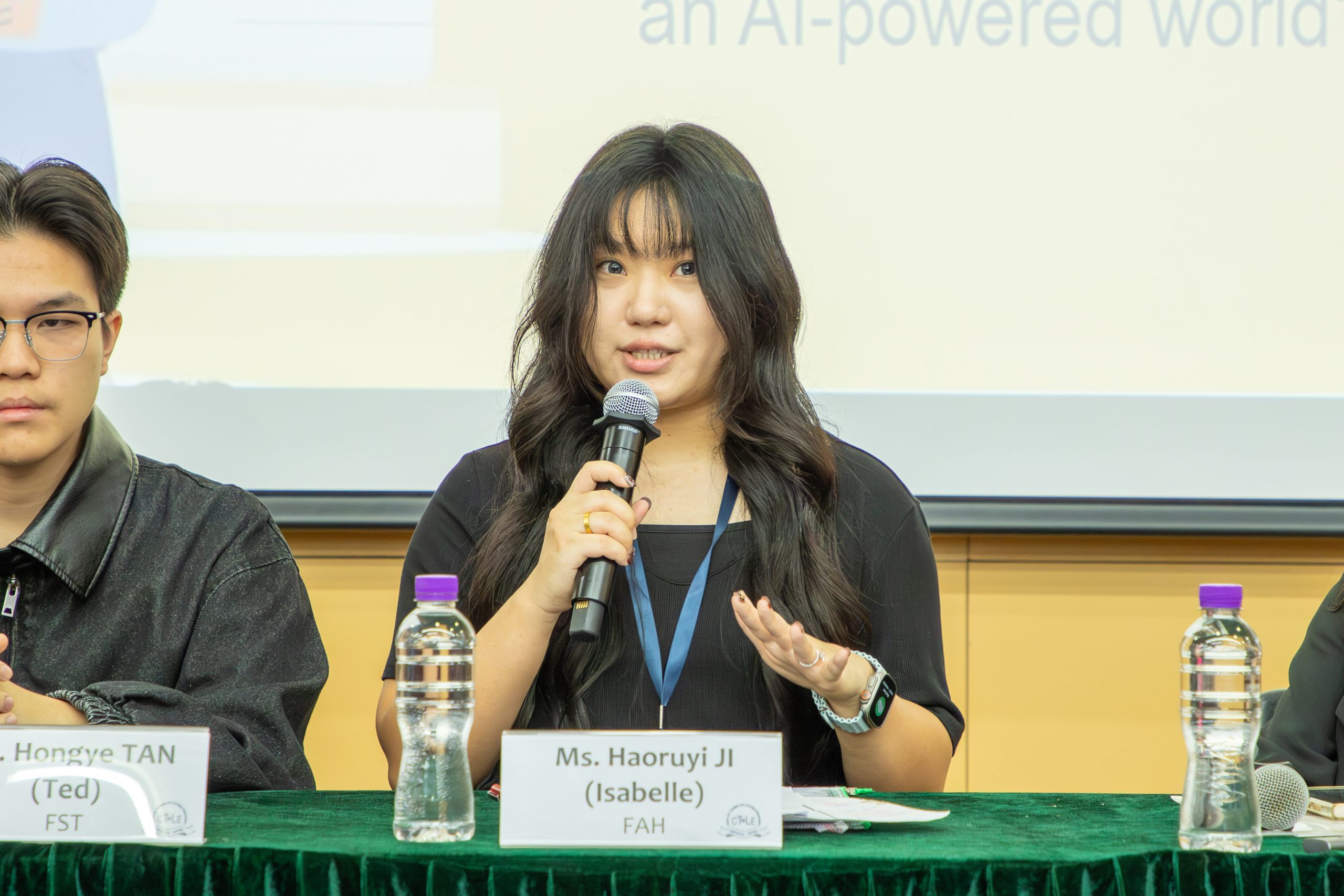
- Haoruyi JI (FAH) said that AI helps her in focusing on meaning rather than language and supports her academic writing. However, she also expressed concerns about students becoming overly reliant on AI. She hoped that alumni could continue to access AI tools and academic databases supported by UM after graduation.
In their closing remarks, the moderators highlighted a central challenge: if everyone uses AI in similar ways, the differentiating qualities of individuals may increasingly be found in uniquely human capacities. While AI enhances efficiency, the panel reiterated that genuine learning, motivation and authentic effort remain irreplaceable.
Dr. Chris Fulton (CTLE) facilitated an interactive session on ‘Re-Blending Learning’. In this session, participants explored practical strategies and tools for maintaining student focus amid growing digital distraction.
The session introduced two tried and tested human-first approaches, including starting class with a quick question, poll or pair-work activity, or with a brief writing activity. Participants shared focus activities that involved small group work.
Three tools were highlighted for re-blended learning: YuJa in-video quizzes (with scores sent to Moodle), YuJa in-video comments for social annotation, and Copilot for designing active learning activities. A Think-Pair-Share template demonstrated how to integrate AI guidelines at different phases: prohibited during individual thinking, permitted with caution during pair work, and encouraged during class discussion.
To watch playback of all sessions, please go here.
The presentation slides are available to colleagues here.
1 月28日,教與學優化中心舉辦了半天教師專業發展活動,聚焦於人工智能(AI)時代教育的基礎知識。近80位澳門大學教學同事參加。
澳大副校長(學術)許敬文教授致開幕詞,他引用澳大45週年的口號,並提出幾個關於AI時代裡,有關大學未來教與學的問題。
GenAI能在幾秒內產生答案,但無法用我們自己的思維取代學習。 教育的未來仍取決於人類技能。
來自香港理工大學陳小華博士作主題演講,題目為“短跑與馬拉松:AI時代的學與教轉型〞她強調,教育工作者必須在教學中迅速回應,以應對高等教育的長期轉型。她指出多項新興問題,包括學習者對AI的依賴、創造力減弱、深偽技術的興起、對AI工具的情感依賴、學位價值迷思,以及讀大學的原因等疑問。 她也分享了理大的策略,包括AI政策與指引、素養課程、評估方式的重新設計,她建議優先採用多階段和真實性學習任務,確保學生理解與運用。
陳博士進一步提醒同事們,大學必須釐清〝學習〞的真正意義,重申以人為本教育的價值,並以VUCA/TUNA/BANI的視角出發,幫助學生做好準備,以面對日益複雜、不確定且快速變化的未來。 她提出了未來教育的四大關鍵要素:技術能力、學科訓練、軟實力,以及面對〝未知的未知〞的能力。同時她也強調,教與學過程中,必須重視認知負荷的管理和優化。
AI不是學習的未來,而是當下。
學生脫穎而出關鍵,不在於他們使用AI的速度有多快,而是他們思考、質疑並超越AI的深度有多深。
活動同時邀請了三位澳大學生分享他們對AI時代下學習,以及個人成長的看法。座談由教與學優化中心主任王嘉祺教授與陳小華博士主持,三位學生的分享如下:
- 譚宏業同學(科技學院)形容 AI 是一個高效的搜尋引擎,幫助學生克服從何開始學習新事物的困惑。他表示,沒有 AI的幫助,學習可能會讓人感到壓力山大。他建議為大一學生開設以人生目標為重點的通識課程,並建議建立一個全校性的資訊交流平台,促進知識與經驗分享。
- 劉昕竹同學(社會科學學院)分享她利用AI來組織學習材料、強化批判性思考,並集思廣益構思研究。她提到自己應用AI 創意的經驗,並建議開設一門專門介紹 AI 素養與倫理的通識課程。她也希望畢業後繼續與澳大保持聯繫。
- 吉昊如意同學(人文學院)表示,AI 幫助她專注於內容的意義,而非語言細節,並有效支援她的學術寫作。但她也擔憂學生過度依賴AI。她希望畢業後仍能使用澳大所支援的AI工具與學術資料庫。
主持們作總結,並特別指出一個關鍵挑戰:當大家以相似方式使用 AI 時,個人的獨特性將更為明顯。儘管 AI 能顯著提高效率,與會者一致強調,AI 無法取代真正的學習、內在動機以及真實的努力。
最後,本中心Chris Fulton博士主持了一場「重新融合學習」的科技互動環節,同事們探討了在日益嚴重的科技干擾下,如何維持學生專注的實用策略與工具。
Fulton博士介紹了兩種經已驗證、以人為本的開場方法,包括以快速提問、投票或結伴合作活動,或以簡短的寫作活動來開始課堂。他也分享了涉及小組合作的重點活動,包括三種用於重新融合學習的工具:YuJa 影片內測驗(成績會傳送到 Moodle)、YuJa 影片內留言用於社交註解,以及使用 Copilot 用來設計主動學習活動。此外,他也展示了「思考-配對-分享」模板,示範如何在不同階段整合 AI 指引,包括:個人思考時禁止AI、配對討論時謹慎允許使用AI,以及全班討論時鼓勵使用AI。(閱覽講稿)
如需觀看各環節錄影,請點擊連結。
Follow CTLE on social media: