
【IAS】UM Philosophy Forum Distinguished Scholars Series – 10 was successfully held
【高研院】「澳大哲學名師系列講堂 - 10」順利舉行

| The IAS promotional video has been launched! We cordially invite you to watch and help spread the word! | ||
|
English |
|
中文 |
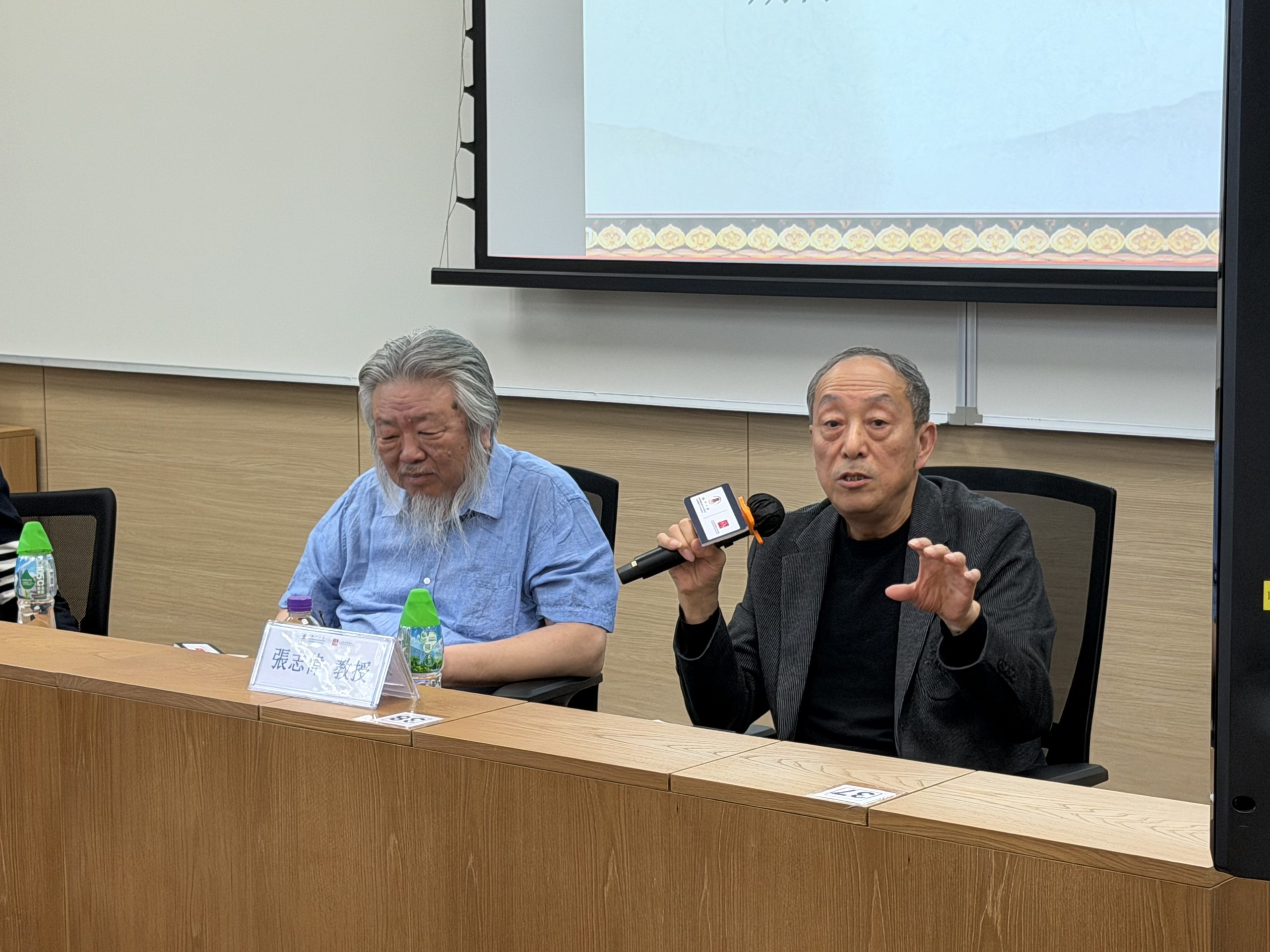
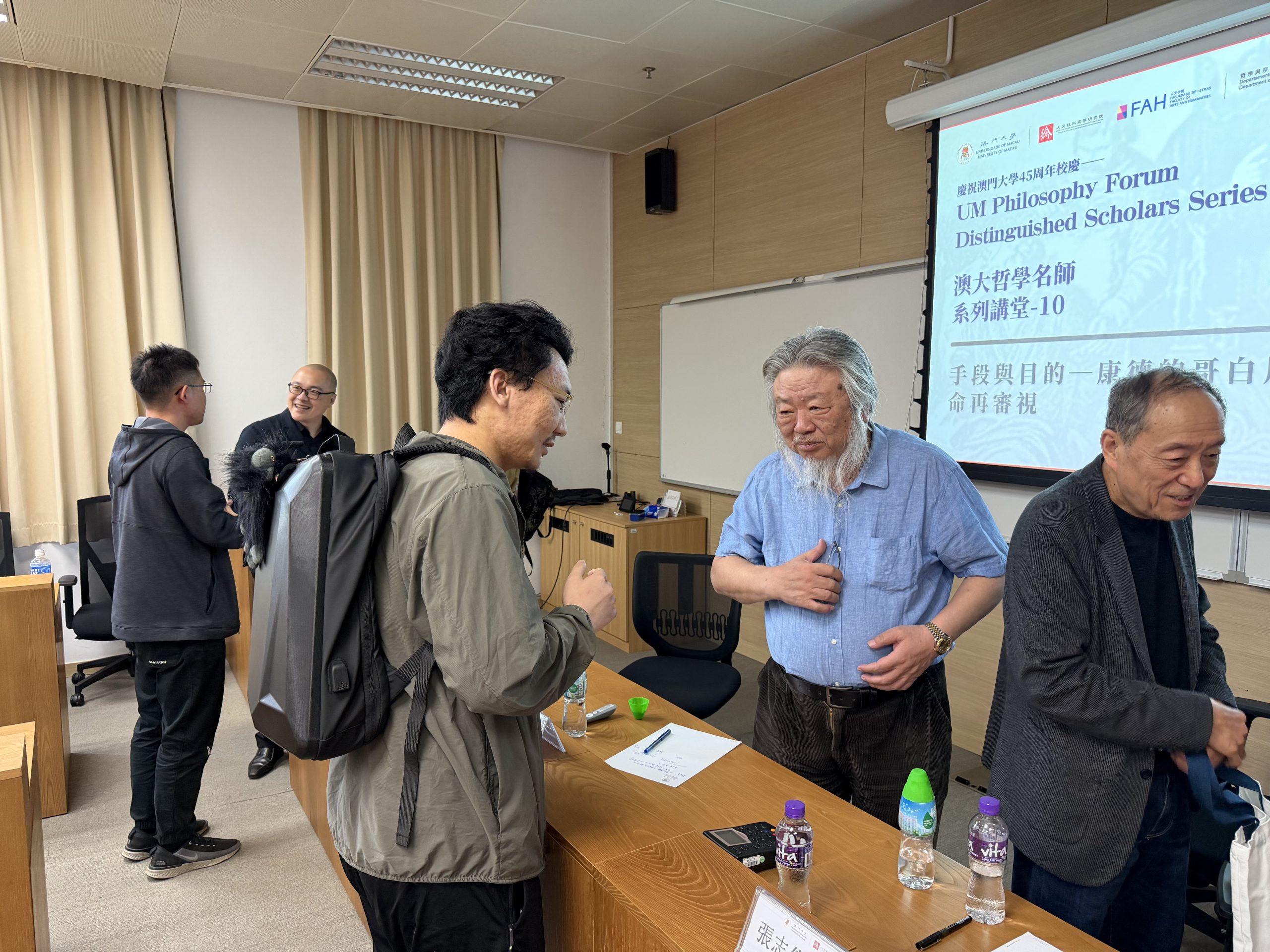
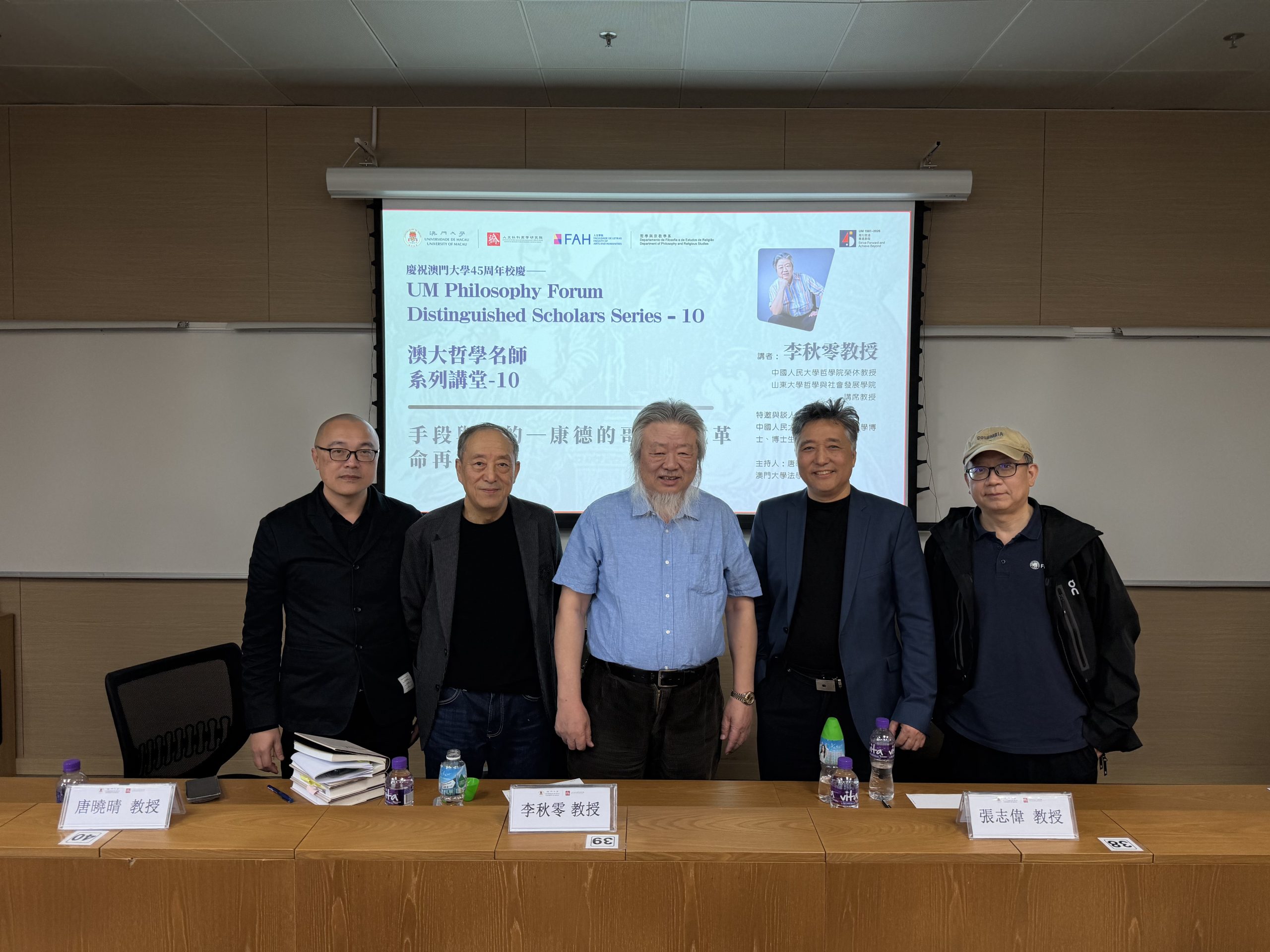
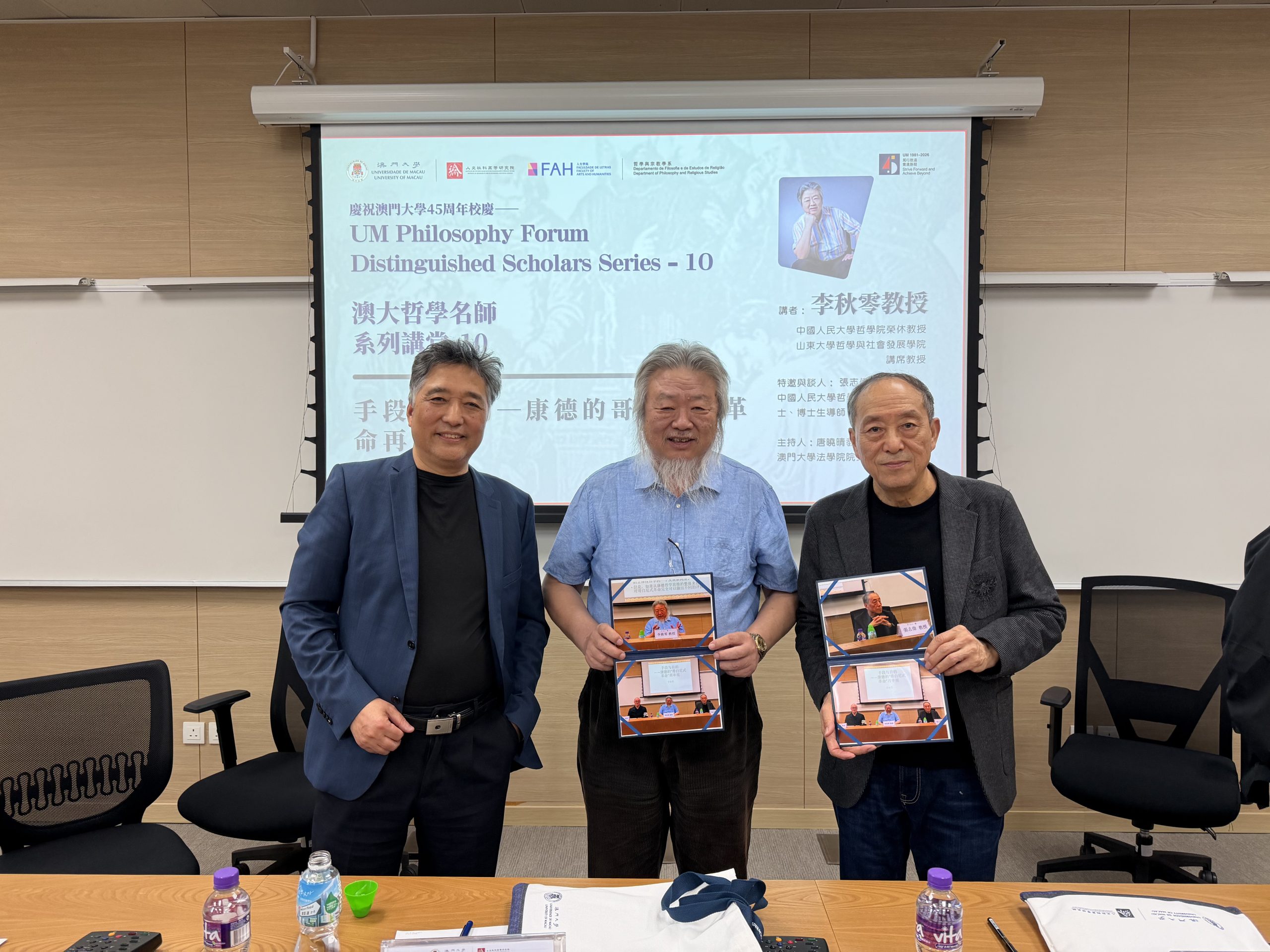
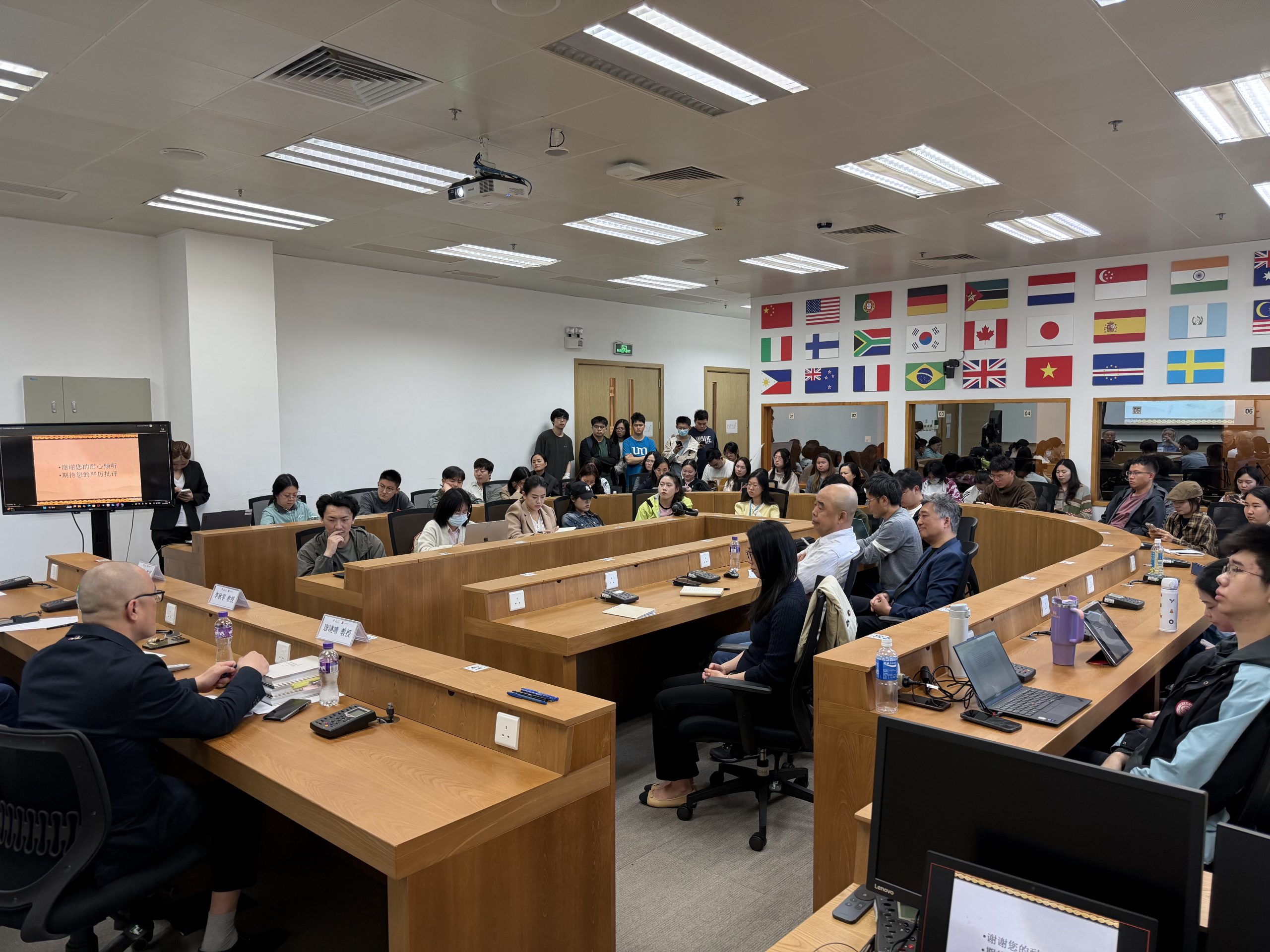
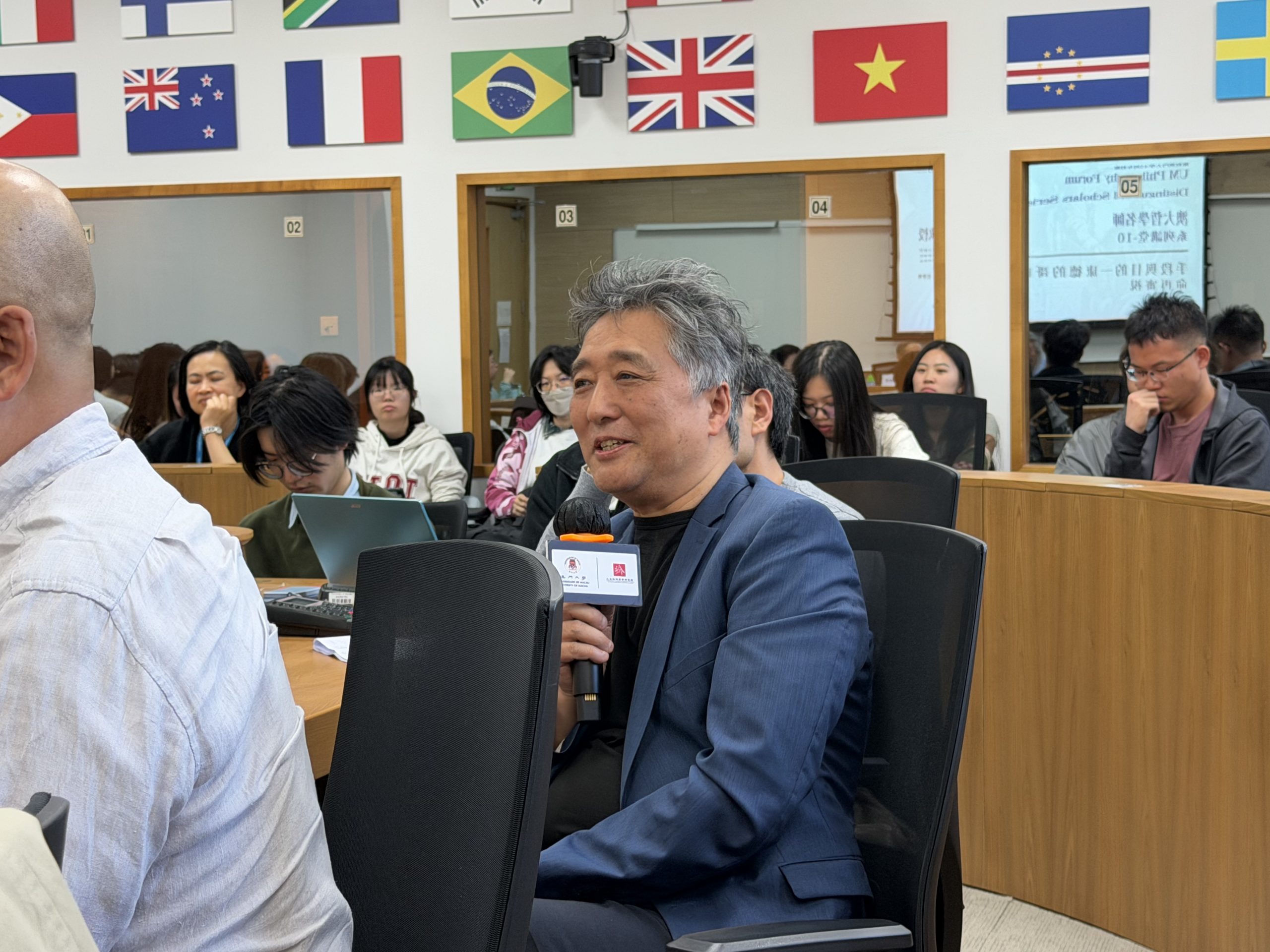
Photo Gallery 照片庫
Video Recap 影片回顧
由澳門大學人文社科高等研究院、人文學院哲學與宗教學系共同舉辦的「澳大哲學名師系列講堂—第十講」於2026年3月13日下午在人文社科樓(E21A-G049)順利舉行。本次講座特邀中國人民大學哲學院榮休教授、山東大學哲學與社會發展學院講席教授李秋零教授擔任主講人,主題為「手段與目的—康德的哥白尼式革命再審視」。講座由澳門大學法學院院長及教授唐曉晴教授主持,並邀請中國人民大學哲學院教授、哲學博士、博士生導師張志偉教授擔任與談人。
講座伊始,李秋零教授以「手段與目的—康德的哥白尼式革命再審視」為核心展開系統闡述。他首先指出,康德的哥白尼式革命是西方近代主體性哲學發展的新高度,卻並非其哲學的最終目的,這場革命的初衷僅為讓始終在摸索中前行的形而上學走上可靠的道路。李教授依次梳理了邏輯學、數學、物理學相繼走上科學可靠道路的關鍵原因,對比形而上學因原理超越經驗界限陷入獨斷論、陷入無休無止爭論的發展困境。
隨後,李秋零教授詳解了康德哥白尼式革命的實施路徑:康德效仿數學與自然科學的思維方式變革,提出「對象必須遵照我們的認識」的核心假定,通過對人類認識能力的批判,抽離出時間、空間、範疇等先天認識形式,論證了其為知識提供普遍必然性的作用,並最終提出「知性為自然立法」,而康德並非發動這場科學革命,只是揭示了其原理與本質。
李教授強調,在革命結果的探討中,康德將先天認識形式嚴格限制在「可能經驗」範圍內,批判了舊形而上學對理性的超越運用,然而這場革命並未讓形而上學擺脫困境,其預設目的並未達成。而康德在限制思辨理性、割裂自然與自由的基礎上,通過反思性判斷力引入合目的性原則,建立起自己的道德論形而上學,這一形而上學雖為「經過批判的」獨斷論,僅具範導性,卻仍未改變形而上學的整體發展狀況,康德之後的西方哲學仍在形而上學的「戰場」上不斷重構體系。
在討論環節中,李秋零教授與現場師生展開熱烈互動,圍繞康德哥白尼式革命的內涵、形而上學的發展困境、康德實踐哲學與理論哲學的關聯等議題進行深入交流探討。
此次講座吸引了眾多學者與同學參與,現場氣氛濃厚,不僅讓聽眾對康德的哥白尼式革命與形而上學思想有了更深刻、全面的理解,也為相關哲學問題的研究提供了新的思考視角。高研院將持續舉辦高品質的學術活動,促進思想交流,拓展人文與哲學研究的視野。
UM Philosophy Forum Distinguished Scholars Series – 10, jointly organized by the Institute of Advanced Studies in Humanities and Social Sciences (IAS) and the Department of Philosophy and Religious Studies of the Faculty of Arts and Humanities (FAH) at the University of Macau, was successfully held on the afternoon of 13 March 2026 at the Humanities and Social Sciences Building (E21A-G049). The lecture featured Professor Qiuling Li, Emeritus Professor of the School of Philosophy at Renmin University of China and Chair Professor of the School of Philosophy and Social Development at Shandong University, as the guest speaker. The session was moderated by Professor Io Cheng Tong, Dean and Professor of the Faculty of Law at the University of Macau, with Professor Zhiwei Zhang, Professor, PhD Supervisor of the School of Philosophy at Renmin University of China, serving as the discussant.
At the beginning of the lecture, Professor Li elaborated on the theme *Means and Ends: A Re-examination of Kant’s Copernican Revolution*. He pointed out that Kant’s Copernican Revolution represents a new height in the development of modern Western philosophy of subjectivity, yet it was not the ultimate goal of his philosophy; the original intention of this revolution was merely to guide metaphysics, which had long been groping in the dark, onto a reliable path. Professor Li examined the key reasons why logic, mathematics and physics had successively embarked on a reliable scientific path, and made a contrast with the developmental predicament of metaphysics, which had fallen into dogmatism and endless disputes due to its principles transcending the boundaries of experience.
Professor Li then detailed the implementation path of Kant’s Copernican Revolution: Following the example of the transformative modes of thinking in mathematics and natural science, Kant put forward the core assumption that “objects must conform to our cognition”. Through a critique of human cognitive faculties, he abstracted a priori cognitive forms such as time, space and categories, demonstrated their role in endowing knowledge with universal necessity, and ultimately proposed the thesis that “the understanding legislates for nature”. Professor Li noted that Kant did not initiate this scientific revolution, but only revealed its underlying principles and essence.
In his discussion of the outcomes of the revolution, Professor Li emphasized that Kant strictly confined a priori cognitive forms within the scope of “possible experience” and criticized the transcendent application of reason in traditional metaphysics. As such, the revolution failed to extricate metaphysics from its predicament and achieve its preset goals. Having restricted speculative reason and separated nature from freedom, Kant introduced the principle of purposiveness through reflective judgment and established his own moral metaphysics. Though this metaphysics is a “critiqued dogmatism” with only a regulative function, it still failed to alter the overall developmental landscape of metaphysics. Western philosophy after Kant continued to constantly reconstruct its systems on the “battlefield” of metaphysics.
During the discussion session, Professor Li engaged in a lively and in-depth exchange with the faculty and students present. The discussions covered a wide range of topics, including the connotation of Kant’s Copernican Revolution, the developmental predicaments of metaphysics, and the connection between Kant’s practical and theoretical philosophy.
The event attracted a large number of scholars and students, with a lively on-site atmosphere. It not only enabled the audience to gain a deeper and more comprehensive understanding of Kant’s Copernican Revolution and his metaphysical thoughts, but also provided new perspectives for the research of relevant philosophical issues. IAS will continue to host high-quality academic events to promote intellectual exchange and broaden horizons in humanities and philosophical research.