
【IAS】UM Philosophy Forum Distinguished Scholars Series – 11 was successfully held
【高研院】「澳大哲學名師系列講堂 - 11」順利舉行

| The IAS promotional video has been launched! We cordially invite you to watch and help spread the word! | ||
|
English |
|
中文 |
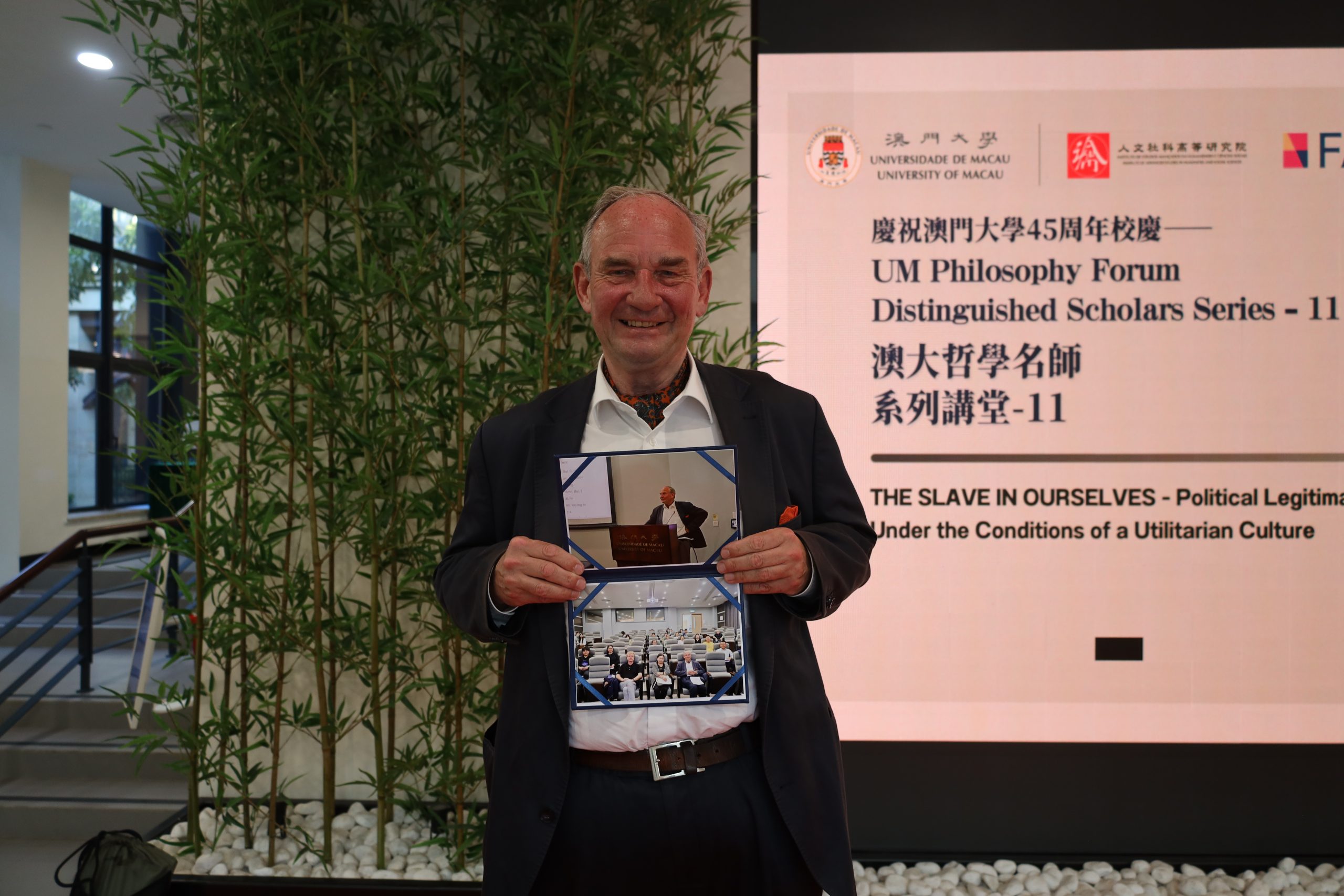
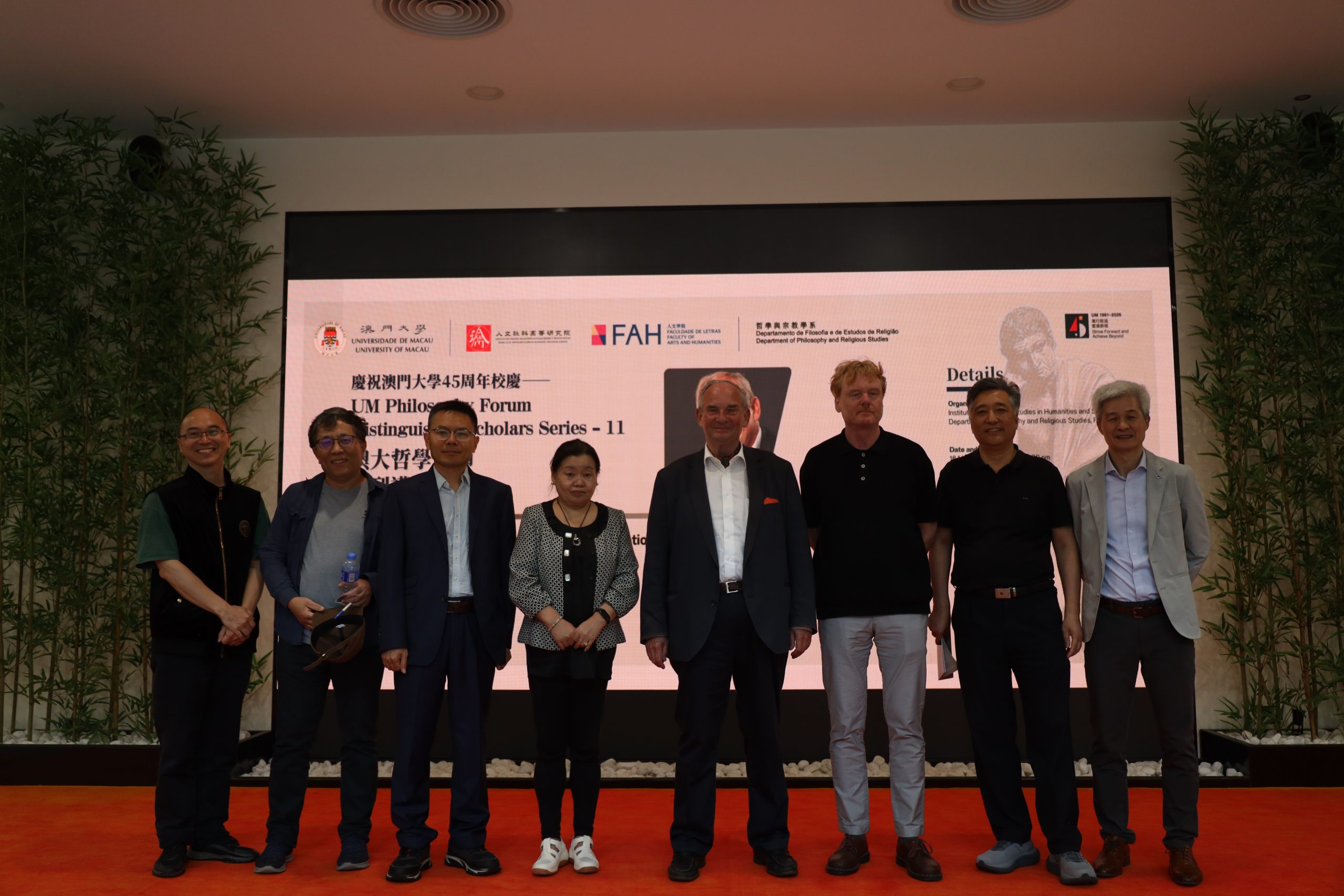
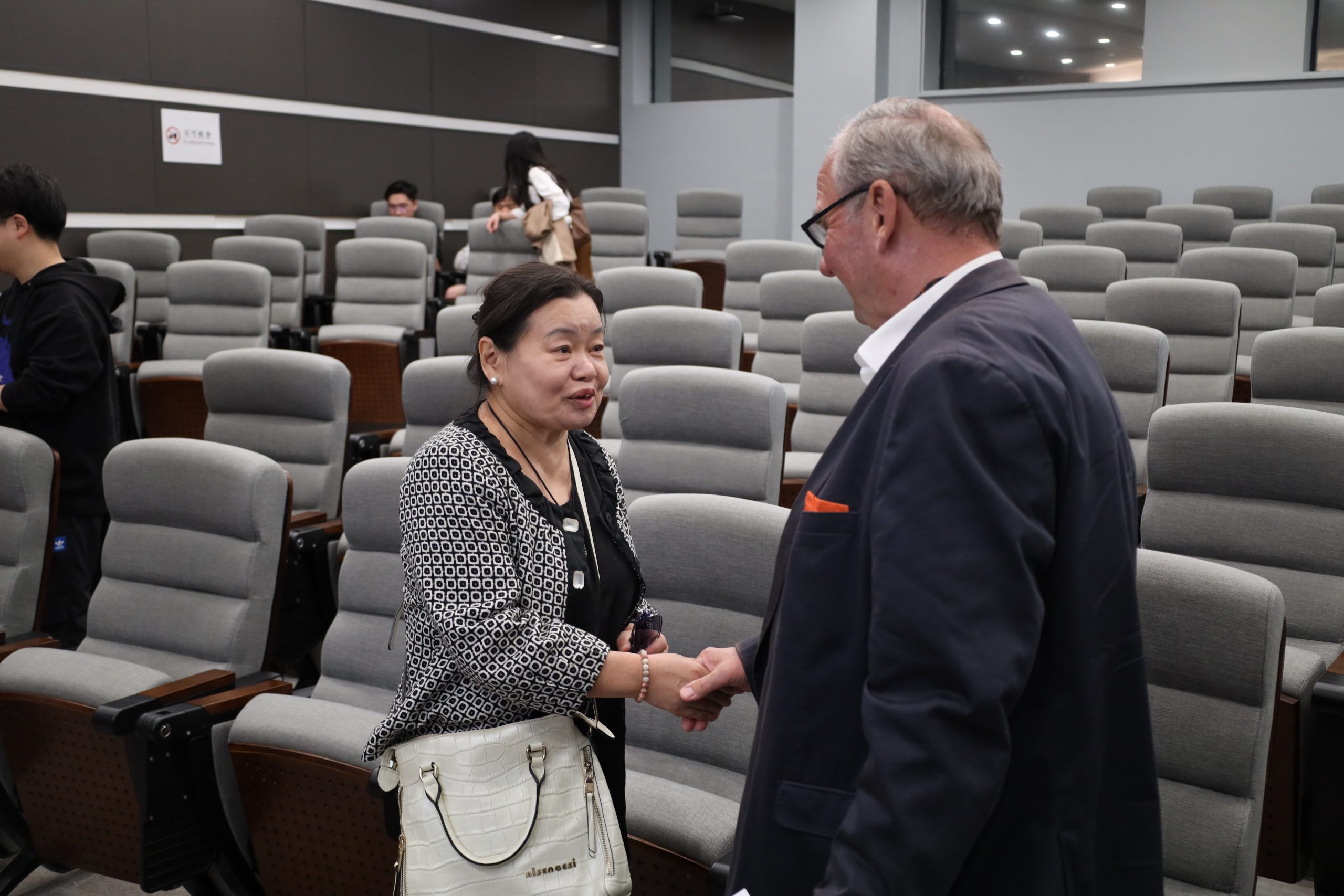

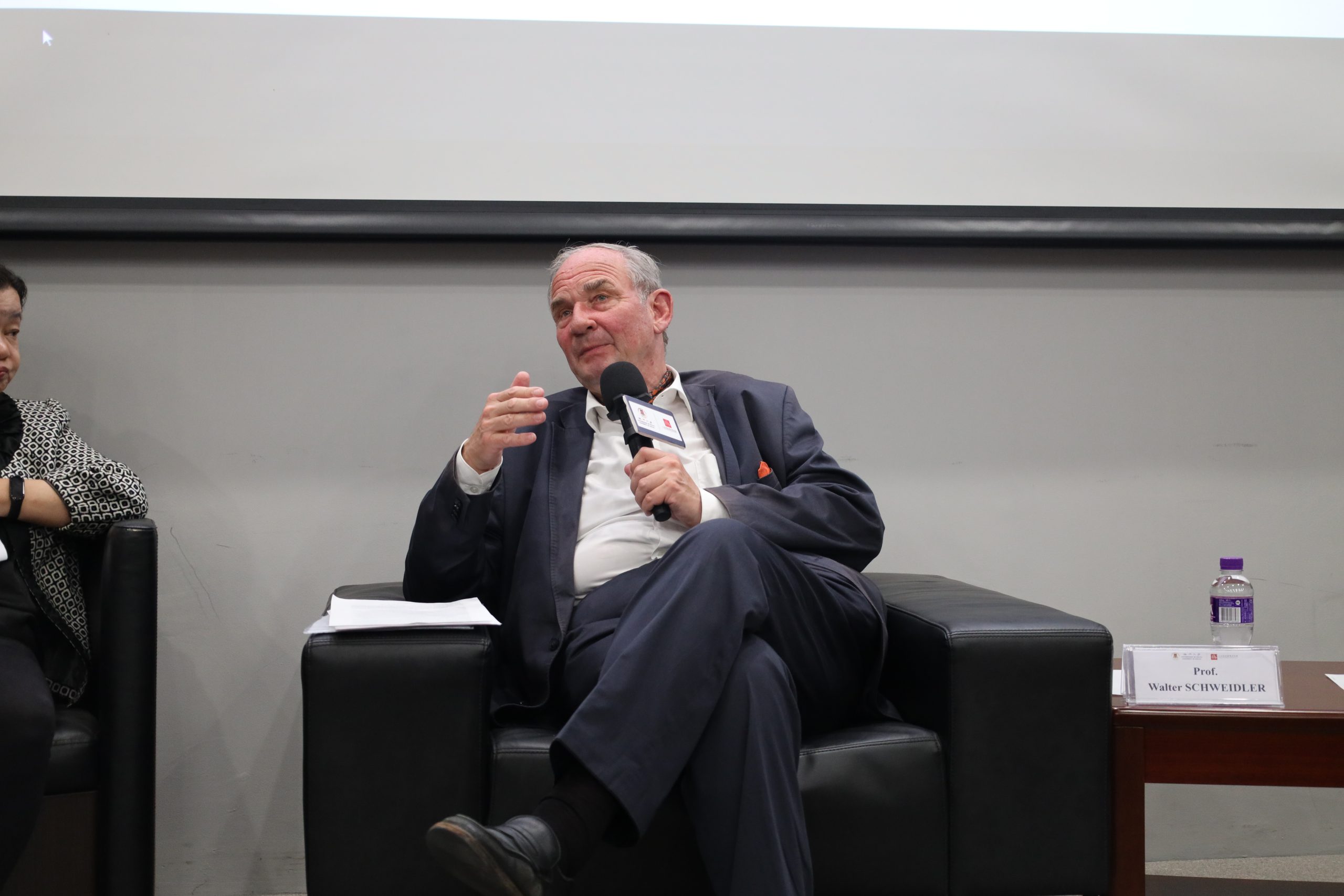
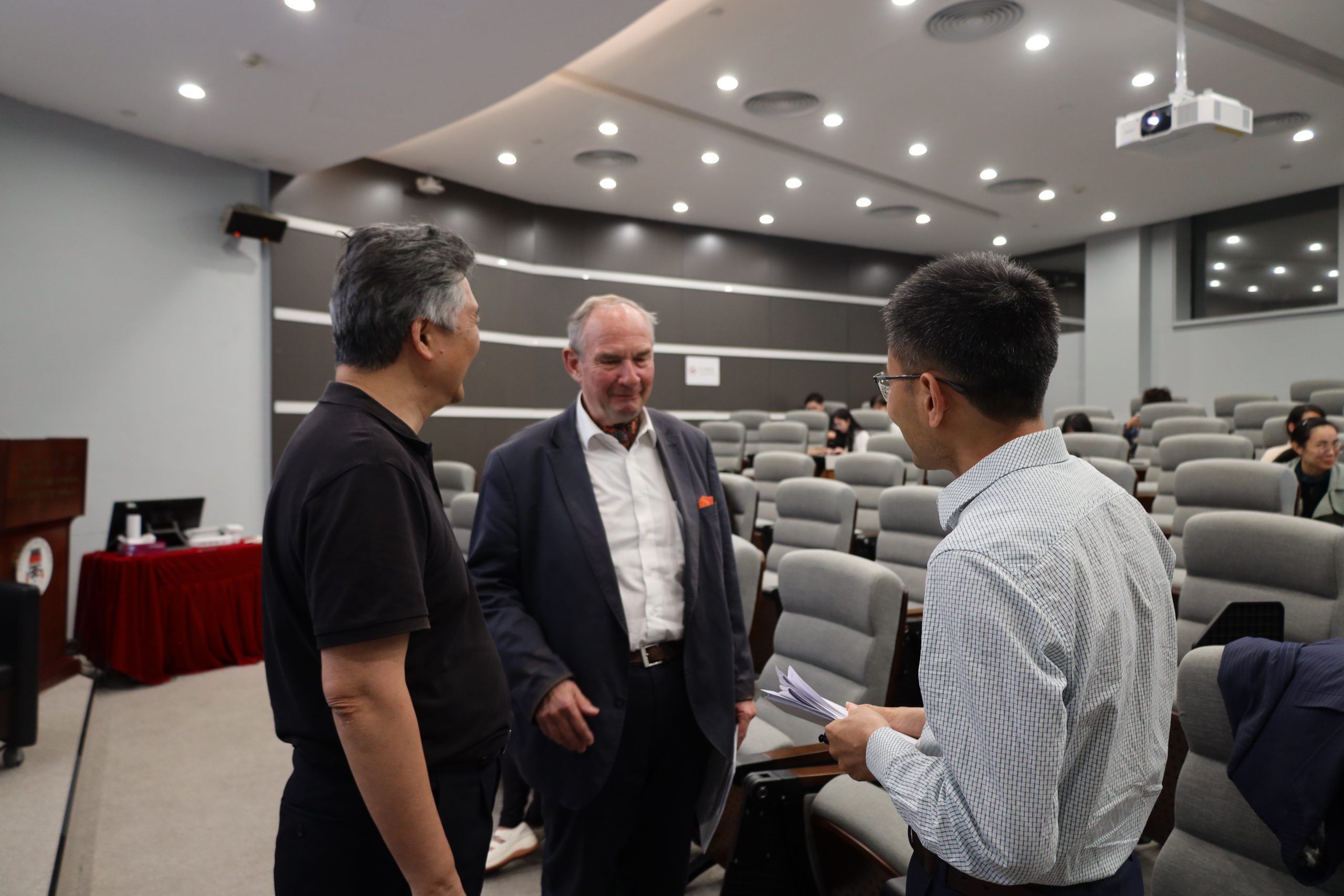
Photo Gallery 照片庫
Video Recap 影片回顧
2026年3月16日下午,澳門大學人文社科高等研究院與人文學院哲學與宗教學系聯合舉辦的「澳大哲學名師系列講堂—第十一講」,於崇文樓(E34)G011講堂順利舉行。本次講座特邀德國埃希施泰特—英戈爾施塔特大學哲學講座教授華特·施魏德勒(Walter Schweidler)擔任主講人,以《我們自身中的奴隸——功利主義文化語境下的政治正當性》為主題展開分享。澳門大學人文學院哲學與宗教學系漢斯—格奧爾格·默勒教授(Hans-Georg Moeller)主持講座,澳大人文學院哲學與宗教學系教授兼系主任張穎教授(Ellen Zhang)、澳大法學院全球法律學系副教授兼副院長(研究事務)翟小波教授(Zhai Xiaobo)擔任與談人。
講座伊始,華特·施魏德勒教授圍繞亞里斯多德《政治學》中「奴隸制屬於人性」的經典論點展開闡釋,指出此一命題對政治哲學乃至政治學本身仍具系統重要性,並從歷史與哲學兩個維度剖析其核心意涵:在歷史層面,雅典城邦作為亞里斯多德理論的現實模型,其奴隸制國家形態所蘊含的自由概念,對理解現代國家的政治正當性與合理性仍具有間接決定性影響;在哲學層面,該理論本質上錨定了公民身份的核心要素,自由人與奴隸的邊界正是由這種公民身份所定義 – 自由人的行動與思考紮根於自身經驗,而奴隸則被剝奪了這一經驗基礎。
隨後,教授進一步剖析了奴隸制在亞里斯多德政治模型中作為「自由的代價」的核心意涵,指出古希臘城邦公民的「閒暇(schole)」是實現政治自由、過「善的生活」的關鍵,而這份閒暇正是以奴隸的強制勞動為前提。亞氏將體力勞動、僱傭勞動視作「卑賤的」,認為其會貶損自由人的靈魂與心智,奴隸制由此成為城邦政治自由得以實現的必要條件。在此基礎上,教授將視野轉向現代社會,指出當代社會雖摒棄了實體奴隸制,卻以僱傭勞動取代其成為「為他人的勞動形式」;公民為獲得自由與平等的相互承認,需以終身僱傭勞動為代價,從而陷入功利主義文化的邏輯框架。教授強調,真正的「善的生活」是文化成就而非經濟產物,其核心是建立在愛與責任之上的人際秩序(ordo amoris),這一秩序與儒家核心人倫關係相通,亦是政治制度的社會文化前提;若將社會理性絕對等同於慾望滿足的功利體系,便是對自身的專制,而堅守人性與善的生活,才是公民作為自由主體的「政治性」體現。
講座現場,華特·施魏德勒教授與兩位與談人及現場師生,圍繞亞里斯多德政治理論的現代價值、功利主義文化的現實影響、現代社會的「自我奴役」等議題展開熱烈互動與深入探討。本次講座吸引眾多澳大學者與學生參與,現場思辨氛圍濃厚,不僅為師生從古典哲學視角審視現代政治與文化困境提供全新思路與多元觀察視角,更進一步推動中西哲學思想的交流與碰撞。
On the afternoon of March 16, 2026, the “UM Distinguished Philosophers Lecture Series – 11”, co-hosted by the Institute of Advanced Studies in Humanities and Social Sciences and the Department of Philosophy and Religious Studies of the Faculty of Arts and Humanities, University of Macau (UM), was successfully held at Lecture Theatre G011, Cultural Building (E34).
Invited as the keynote speaker for this lecture was Professor Walter Schweidler, Chair of Philosophy at the University of Eichstätt-Ingolstadt, Germany. He delivered a presentation themed Slaves Within Ourselves: Political Legitimacy in the Context of Utilitarian Culture. The lecture was moderated by Professor Hans-Georg Moeller from the Department of Philosophy and Religious Studies, Faculty of Arts and Humanities, UM. Professor Ellen Zhang, Professor and Head of the Department of Philosophy and Religious Studies, Faculty of Arts and Humanities, UM, and Associate Professor Zhai Xiaobo, Associate Professor of the Department of Global Legal Studies and Associate Dean (Research) of the Faculty of Law, UM, served as the discussants. The entire lecture was conducted in English.
At the beginning of the lecture, Professor Walter Schweidler elaborated on the classic argument in Aristotle’s Politics that “slavery is part of human nature”. He pointed out that this proposition still holds systematic significance for political philosophy and even for the discipline of political science itself, and analyzed its core implications from both historical and philosophical dimensions. From a historical perspective, the ancient Athenian polis, as the realistic model for Aristotle’s theory, had a slave-owning state structure whose concept of freedom still exerts an indirect yet decisive influence on understanding the political legitimacy and rationality of modern nations. From a philosophical perspective, this theory essentially anchors the core elements of citizenship, which defines the boundary between free persons and slaves: the actions and thinking of free persons are rooted in their own experiences, whereas slaves are deprived of this experiential foundation.
Then, Professor Schweidler further analyzed the core implication of slavery as “the price of freedom” in Aristotle’s political model. He noted that schole (leisure) of the citizens in the ancient Greek polis was the key to achieving political freedom and living a “good life”, and such leisure was premised on the forced labor of slaves. Aristotle regarded physical labor and wage labor as “base” and argued that such labor would corrupt the soul and intellect of free persons, making slavery a necessary condition for the realization of political freedom in the polis. Building on this, the professor shifted his focus to modern society, pointing out that although modern society has abandoned chattel slavery, it has replaced it with wage labor as a “form of labor for others”. To gain mutual recognition of freedom and equality, citizens have to pay the price of lifelong wage labor, thus being trapped in the logical framework of utilitarian culture. Professor Schweidler emphasized that the true “good life” is a cultural achievement rather than an economic product, whose core lies in the ordo amoris (order of love)—an interpersonal order based on love and responsibility. This order is interconnected with the core ethical relationships of Confucianism and also serves as the socio-cultural prerequisite for political institutions. If social rationality is absolutely equated with a utilitarian system centered on desire satisfaction, it would amount to a tyranny over oneself. To uphold human nature and the good life is the embodiment of the “politicalness” of citizens as free subjects.
During the Q&A session, Professor Schweidler, together with the two discussants and the faculty and students present, engaged in lively interactions and in-depth discussions on topics such as the modern value of Aristotle’s political theory, the practical impact of utilitarian culture, and the “self-enslavement” in modern society.
The lecture attracted a large number of UM scholars and students, creating a vibrant atmosphere of critical thinking. It not only provided faculty and students with new perspectives and diverse angles to examine modern political and cultural predicaments from the lens of classical philosophy, but also further promoted the exchange and dialogue between Chinese and Western philosophical traditions.