【IAS】Guest Lecture “National Innovation-Driven Development Strategy in the New Era” was Successfully Concluded
【高研院】嘉賓講座“新時期國家創新驅動發展戰略”圓滿舉行

| The IAS promotional video has been launched! We cordially invite you to watch and help spread the word! | ||
|
English |
|
中文 |
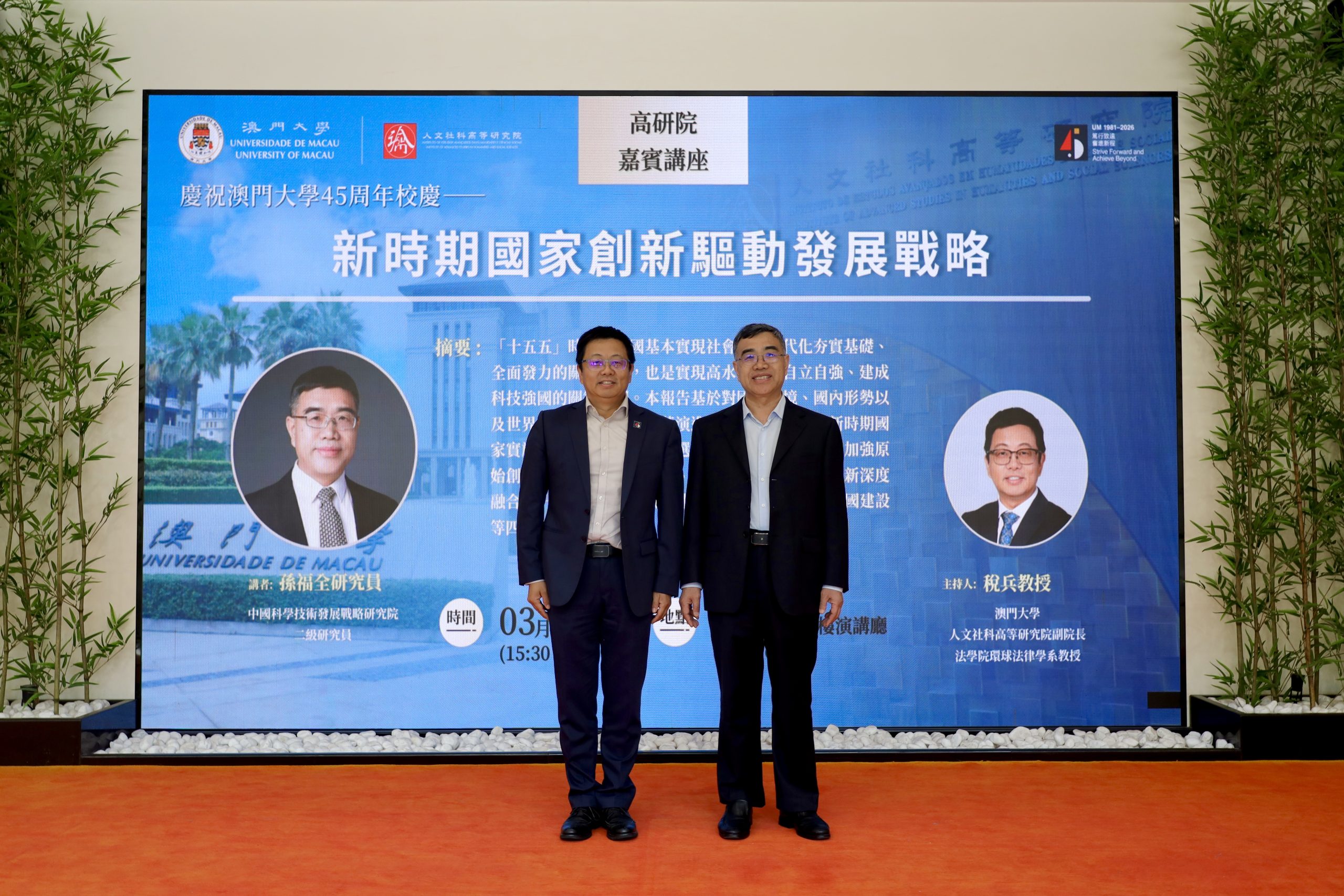
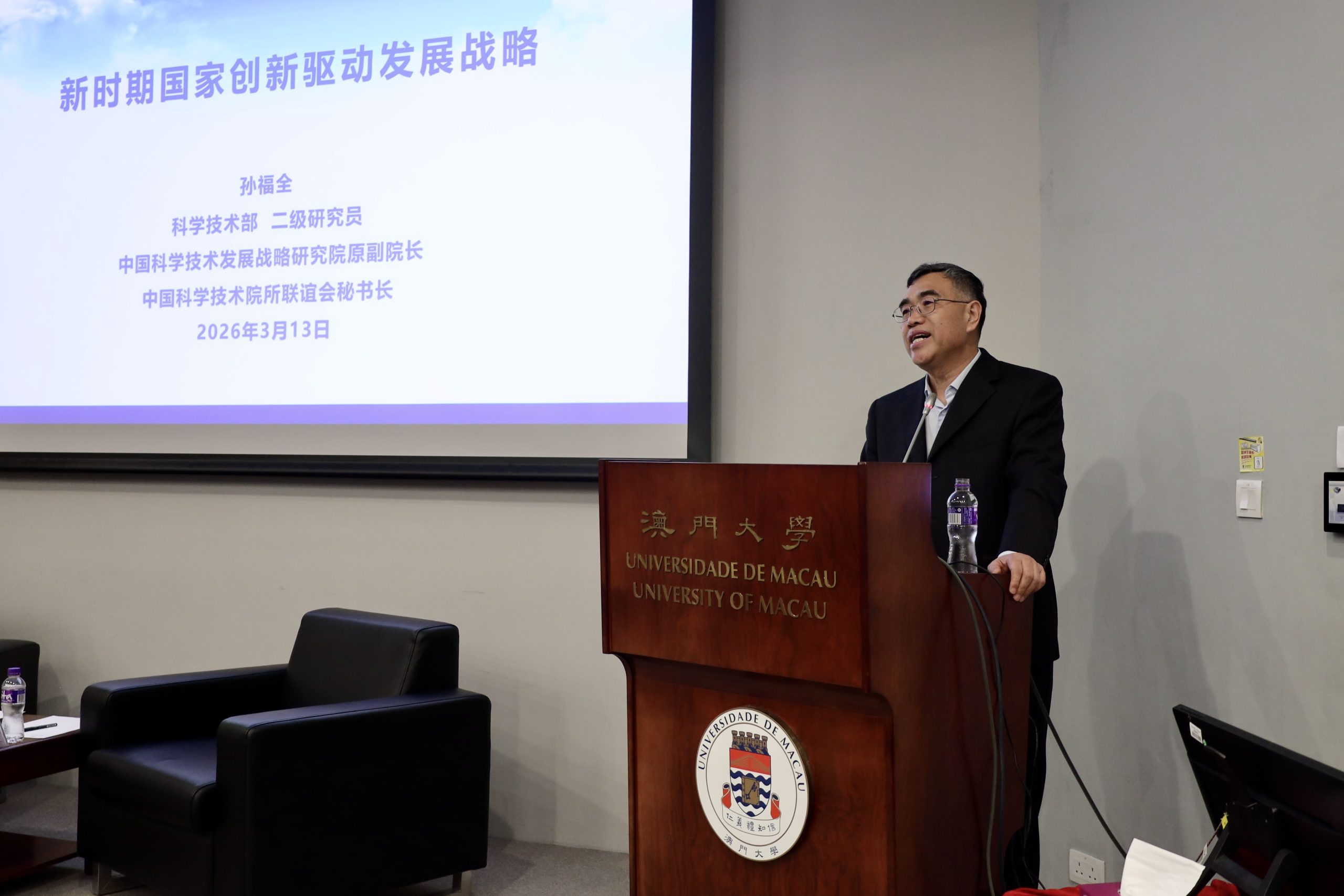
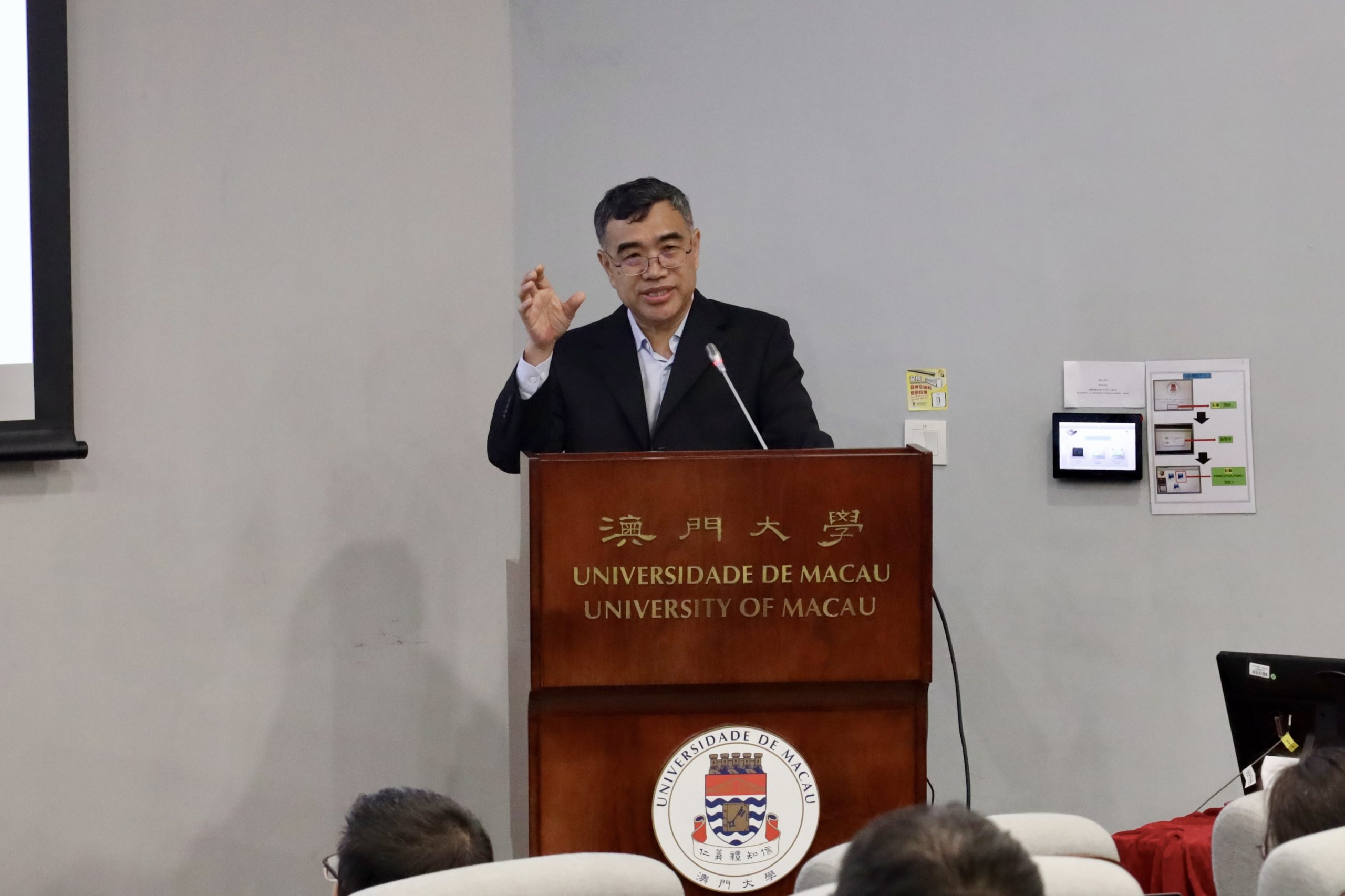
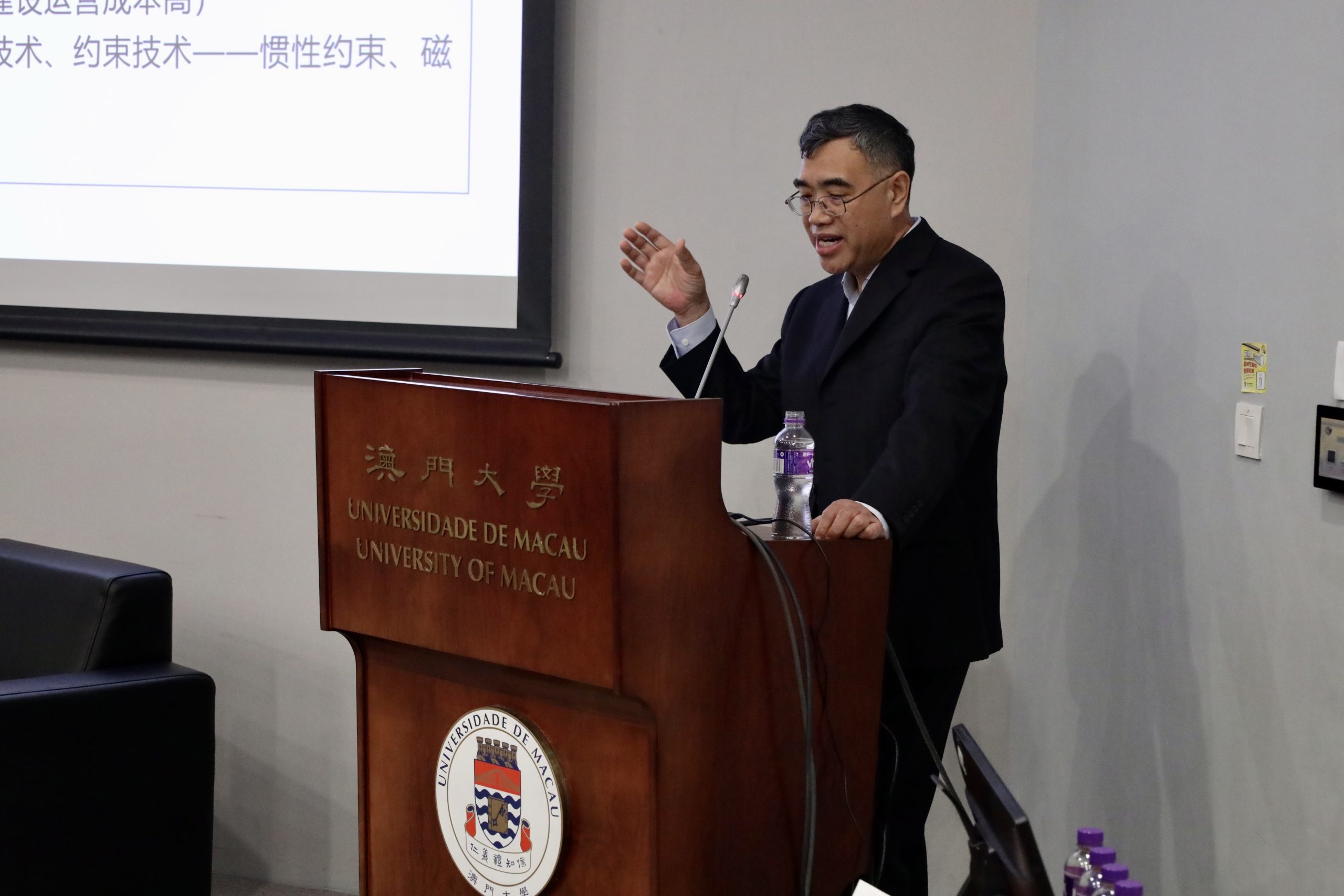
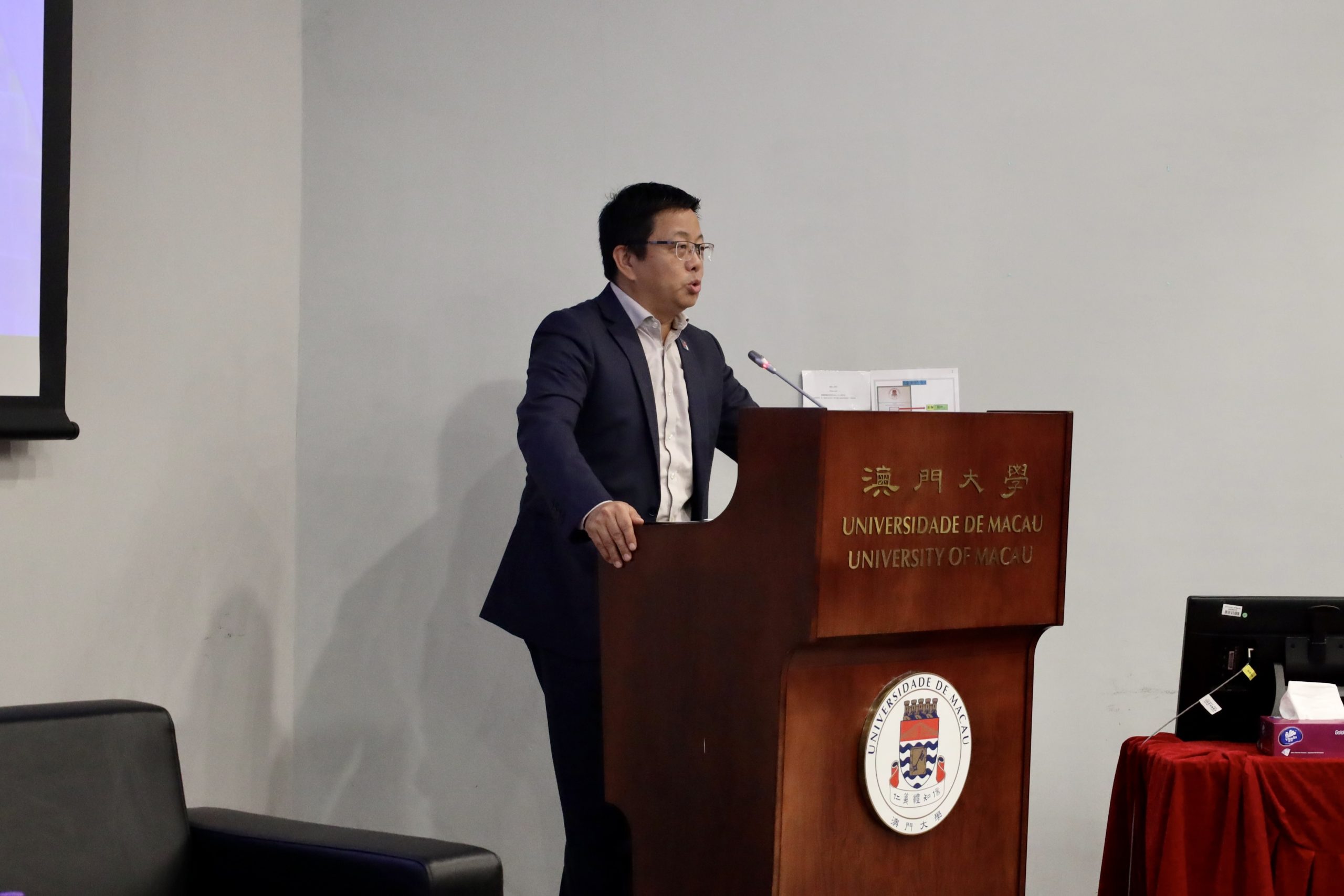
2026年3月13日,澳門大學人文社科高等研究院(高研院)舉行嘉賓講座,邀請中國科學技術發展戰略研究院原副院長、科學技術部二級研究員孫福全,以「新時期國家創新驅動發展戰略」為題作專題分享。本次講座為澳門大學45周年校慶系列活動之一,由高研院副院長、法學院環球法律學系教授稅兵主持。
孫福全研究員在講座開篇援引邁克爾·波特的競爭優勢理論,强調創新驅動是繼要素驅動、投資驅動之後,實現可持續繁榮的核心動力,隨即指出,「十五五」時期(2026年-2030年)是中國建設科技強國和現代化强國的關鍵時期。他在講座中結合當前國際科技競爭格局與新一輪科技革命發展趨勢,深入分析了新時期實施創新驅動發展戰略所面臨的時代背景。隨著前沿技術持續突破和全球創新版圖加快重構,科技創新已成為影響國家競爭力與發展主動權的關鍵因素。面對高質量發展的新要求,中國必須進一步將發展立足點放在創新上,加快培育新動能、塑造新優勢。
圍繞新時期創新驅動發展的戰略部署,孫福全研究員從總體思路、目標定位和重點任務等方面作系統闡述。他表示,實施創新驅動發展戰略,關鍵在於堅持科技自立自強,強化國家戰略科技力量建設,推動科技創新與產業發展深度融合,不斷提升國家創新體系整體效能。面向未來,應更加注重關鍵核心技術攻關、基礎研究能力提升、科技成果轉化應用以及高水平創新人才培養,為建設科技強國和推進中國式現代化提供堅實支撐。在談及具體舉措時,他強調,要統籌推進教育、科技、人才一體發展,進一步優化創新資源配置,完善科技創新體制機制,激發各類創新主體活力,推動形成更加協同、高效、開放的創新發展格局。
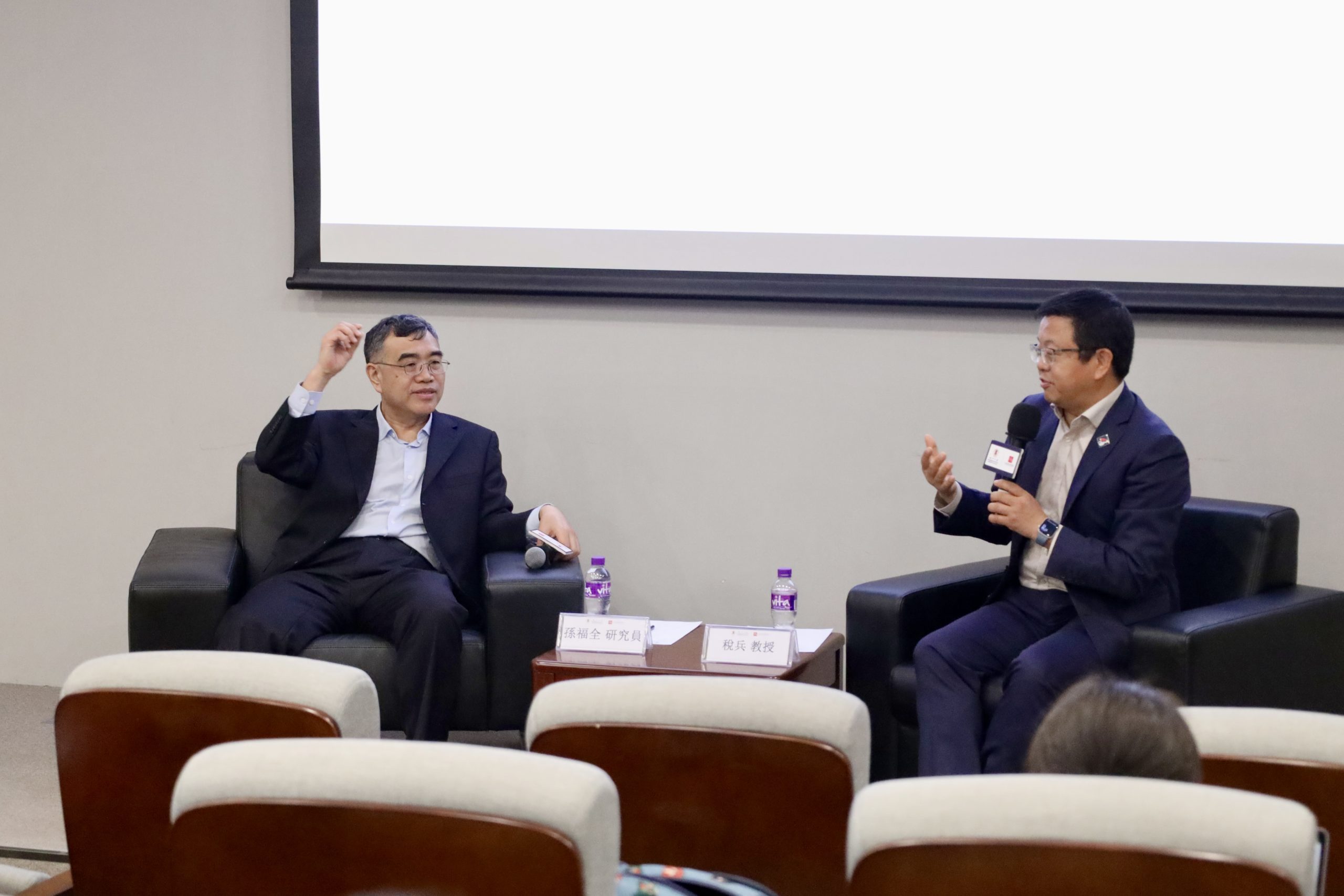
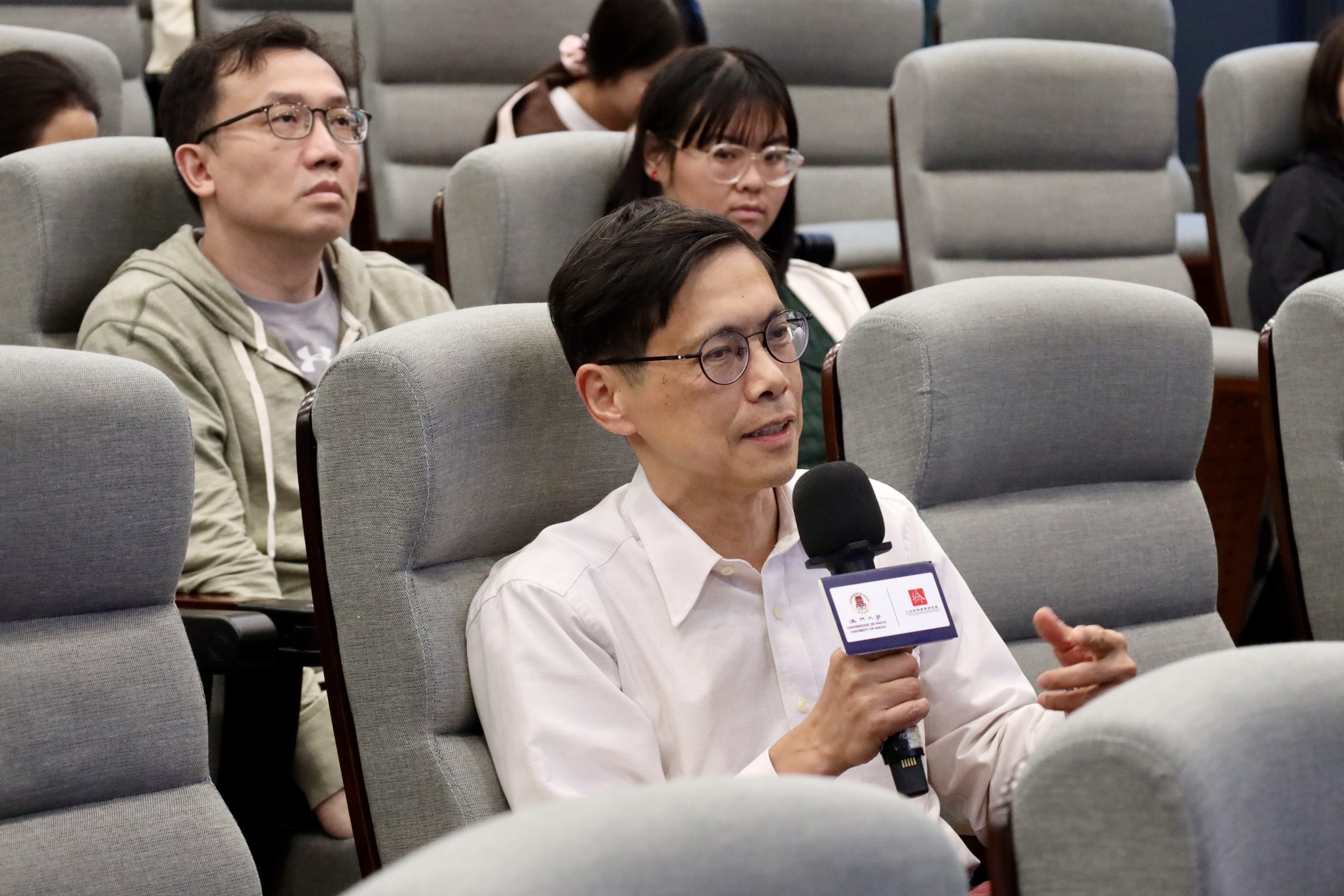
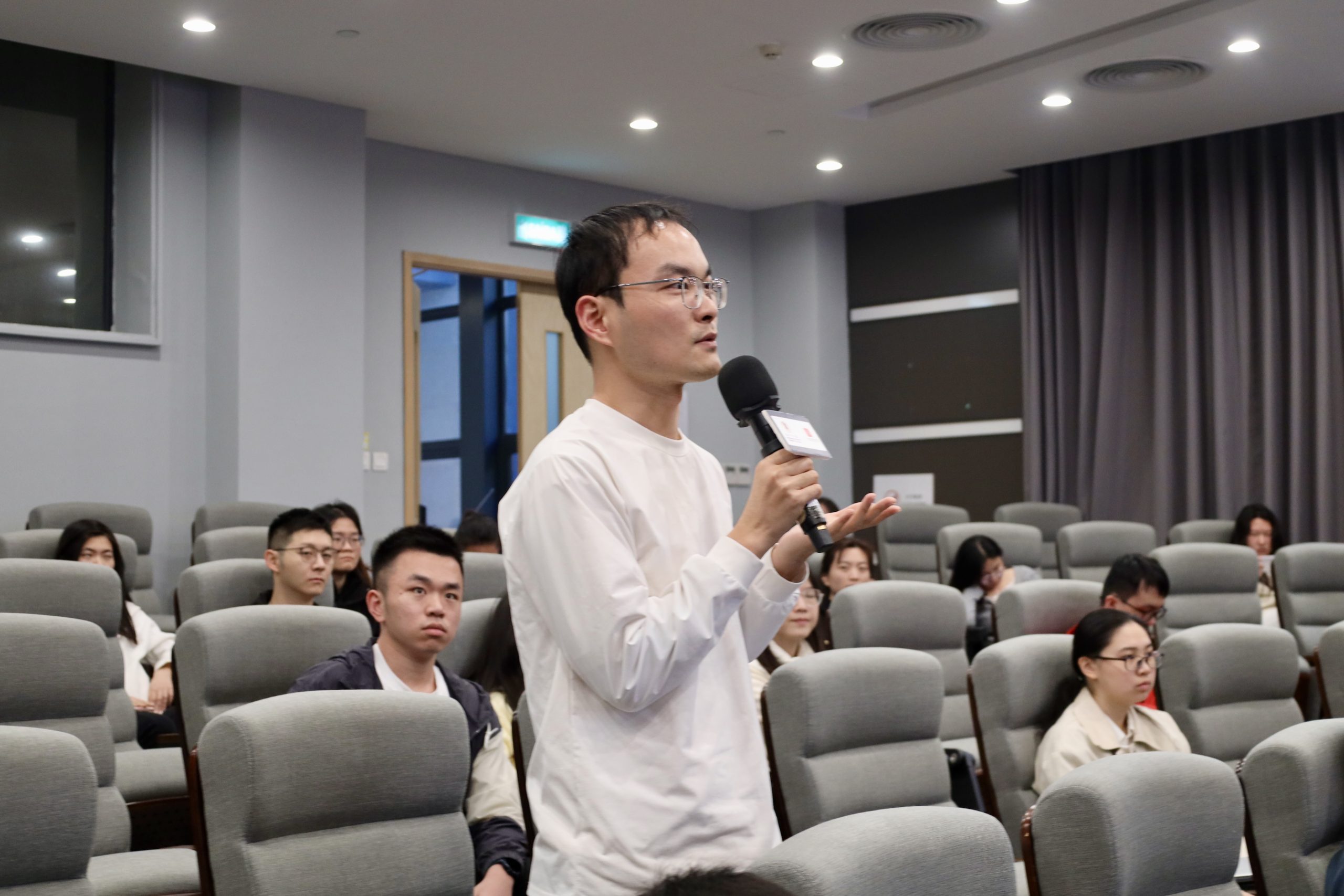
主持人稅兵教授在評議環節結合澳門實際情況作出回應,並就創新驅動發展戰略在澳門的實施路徑與未來方向深入探討。其中特別强調,講座中分享的「政府是陽光、市場是土壤、人才是種子、文化是氣候」的比喻來概括創新生態的生成條件,令他印象深刻,也進一步引發了對澳門如何培育本地科創生態、促進制度支持、推動市場活力、人才集聚與社會文化協同發展的思考。多位與會教授亦從各自研究領域出發,圍繞澳門在科技創新、產學研合作、制度建設與區域協同中的角色定位加入討論,現場交流氣氛熱烈。
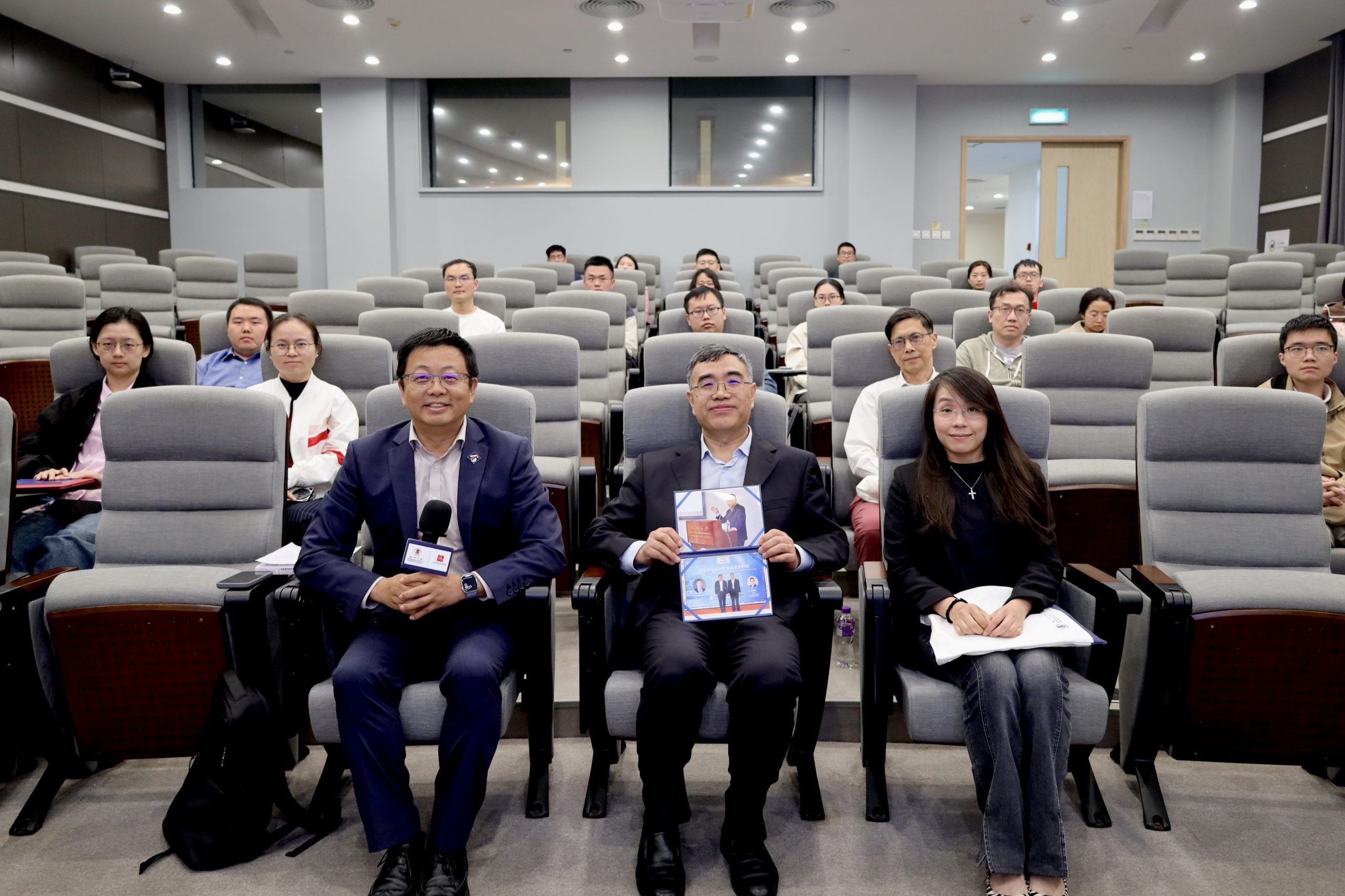
本次講座吸引了近百位來自不同學科背景的師生參與。由於講座主題兼具國家戰略視野與跨學科關懷,不僅加深了與會者對新時期國家創新驅動發展戰略的理解,也促進了不同學科之間就科技、制度與社會發展問題的交流互動。
On March 13, 2026, the Institute of Advanced Studies in Humanities and Social Sciences (IAS) of the University of Macau held a guest lecture featuring Dr. Fuquan Sun, former Vice President of the Chinese Academy of Science and Technology for Development (CASTED) and Grade II Research Fellow at the Ministry of Science and Technology, who delivered a talk entitled “National Innovation-Driven Development Strategy in the New Era”. The event was part of the University of Macau’s 45th-anniversary celebrations and was moderated by Professor Bing Shui, Associate Director of the IAS and Professor in the Department of Global Legal Studies, Faculty of Law, University of Macau.
At the beginning of this lecture, Dr. Sun drew upon Michael Porter’s theory of competitive advantage, emphasising that innovation-driven development is the key driver of sustainable prosperity after the factor-driven and investment-driven stages. He noted that the 15th Five-Year Plan period (2026-2030) is a critical period for building China into a sci-tech powerhouse and a modernized country. Integrating analyses of the current international technological competition landscape and trends in the new wave of technological revolution, he examined the contemporary context for implementing the innovation-driven development strategy. As cutting-edge technologies continue to advance and the global innovation landscape rapidly transforms, technological innovation has emerged as a decisive factor influencing national competitiveness and developmental initiative. To meet the demands of high-quality development, China must further anchor its development in innovation, accelerate the cultivation of new drivers of growth, and forge new competitive advantages.
Regarding strategic deployment for innovation-driven development in the new era, Dr. Sun systematically elaborated on the overall thinking, goal orientation, and key tasks. He stated that the implementation of the innovation-driven development strategy hinges on pursuing self-reliance and strength in science and technology, strengthening the development of national strategic scientific and technological capabilities, promoting the deep integration of scientific and technological innovation with industrial development, and continuously enhancing the overall performance of the national innovation system. Looking ahead, greater emphasis should be placed on achieving breakthroughs in core technologies in key fields, improving basic research capacity, facilitating the translation and application of scientific and technological achievements, and nurturing high-level innovative talent, so as to provide solid support for building a strong country in science and technology and advancing Chinese-style modernization. When addressing specific measures, he stressed the need to advance the integrated development of education, science and technology, and talent in a coordinated manner, further optimize the allocation of innovation resources, improve the systems and mechanisms for scientific and technological innovation, stimulate the vitality of all types of innovation entities, and foster a more coordinated, efficient and open landscape for innovative development.
At the discussion session, Professor Shui responded in light of Macao’s actual conditions and raised questions on the future path of the innovation-driven development strategy in Macao. He particularly noted being impressed by the metaphor shared in the lecture— “the government is the sunshine, the market is the soil, talents are the seeds, and culture is the climate”—to summarize the conditions for fostering an innovation ecosystem left a deep impression on him. It further prompted reflections on how Macao can nurture its local sci-tech innovation ecosystem and promote the coordinated development of institutional support, market vitality, talent aggregation, and social culture. Other professors also contributed their perspectives from different disciplinary backgrounds on Macao’s role in scientific and technological innovation, industry–university–research collaboration, institutional development, and regional coordination. The exchange was lively and engaging.
With its broad national perspective and interdisciplinary relevance, the lecture not only deepened participants’ understanding of China’s innovation-driven development strategy in the new era, but also encouraged cross-disciplinary exchange on technology, institutions, and social development.