37 Years of Passing the Torch, Witnessing FST’s Growth and Transformation – Interview with Dr. Zhao Huayong: A Research Journey Driven by Curiosity, from UM Laboratories to a British Lectern
薪火相傳三十七載,見證澳大科技學院成長與蛻變 - 科技學院優秀校友趙華永博士訪談: 從澳大實驗室到英國講台,好奇心驅動的科研人生

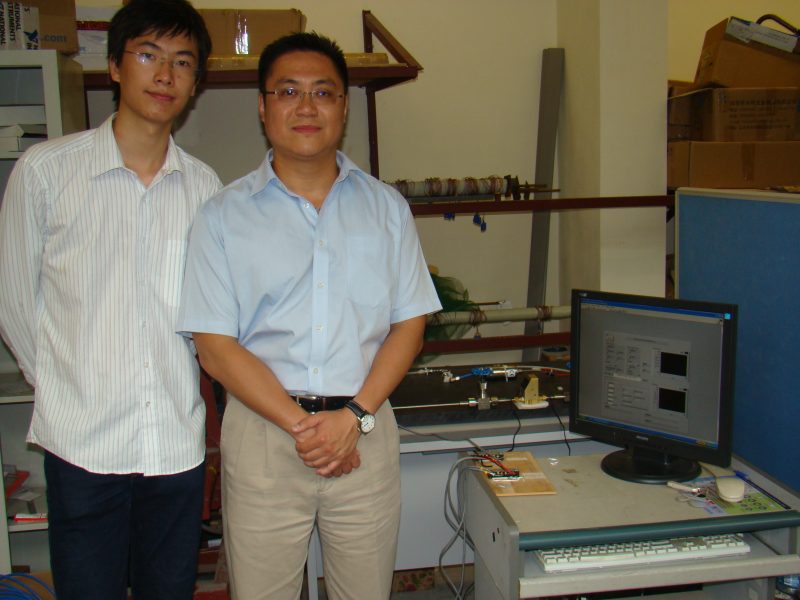
趙華永博士(左)與譚立武教授 Dr. Zhao Huayong (left) with Prof. Tam Lap Mou
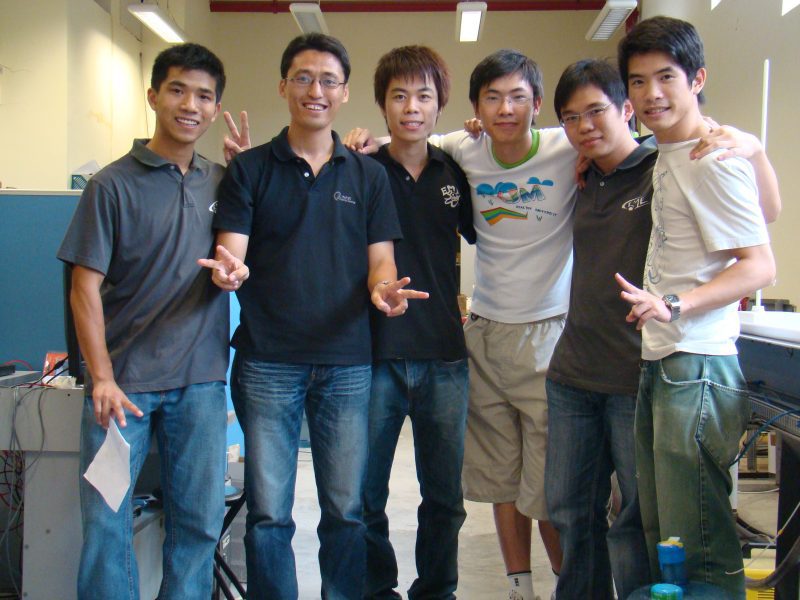
趙華永博士(右三)與實驗實同學及技術人員合照
Group photo of Dr. Zhao Huayong (third from right) with students and technicians from the laboratory
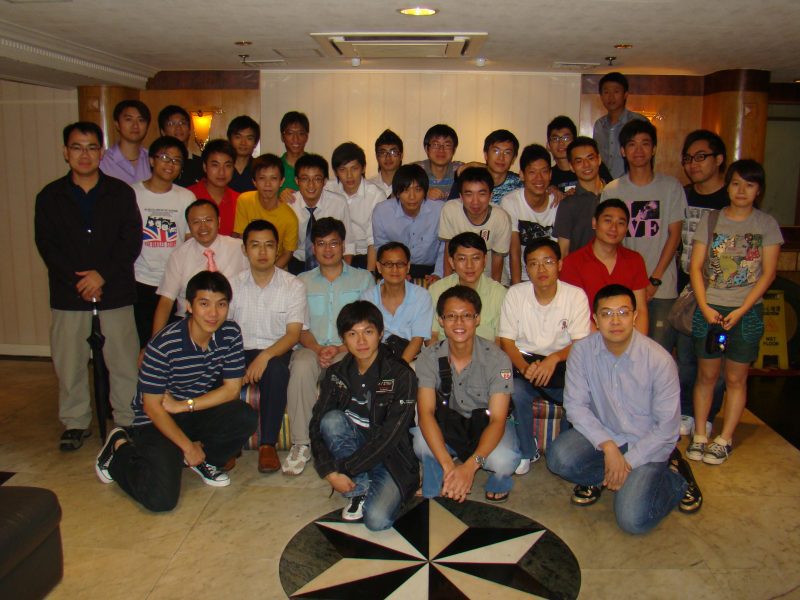
趙華永博士(最後排第三)與同學及實驗室技術員合照
Group photo of Dr. Zhao Huayong (third from the last row) with his classmates and the lab techcians

趙華永博士分享澳大成長經歷
Dr. Zhao Huayong shared his growth experience at UM
Interview with Dr. Zhao Huayong:
A Research Journey Driven by Curiosity, from UM Laboratories to a British Lectern
Faculty of Science and Technology (FST) at the University of Macau (UM) is about to undergo a historic restructuring—starting from AY2026/2027, it will officially split into three independent faculties—the Faculty of Information Science and Technology, the Faculty of Engineering, and the Faculty of Science. At this pivotal moment of transition and renewal, we are honored to interview Dr. Zhao Huayong. A 2008 graduate of UM’s Electromechanical Engineering program, Dr. Zhao earned his PhD from the University of Oxford in 2012 and currently serves as a Senior Lecturer in Fluid Mechanics at Loughborough University in the UK. From Macao to Britain, from the laboratory to the lecture hall, he shares with young students a research journey fueled by curiosity.
Why Choose UM
In 2004, Zhao Huayong faced a pivotal decision in his life. Beyond academic considerations, he placed great importance on the language environment and cultivating a global perspective. Given that UM offers instruction entirely in English, this provided a solid foundation for his future applications to top overseas institutions. Furthermore, he specifically reviewed the faculty of the Department of Electromechanical Engineering and discovered that most professors had overseas study experience. Coupled with Macau’s unique blend of Chinese and Western cultures, these factors were highly attractive to students from the mainland. “All these factors combined led me to ultimately choose the University of Macau. Looking back now, I am very glad I made that decision.”
The Laboratory that changed his life
Choosing UM became a new starting point for Zhao, but stepping into Prof. Tam Lap Mou’s laboratory truly opened the door to his academic career. “Before joining the lab, I knew nothing about scientific research,” he recalls. What remains most memorable to this day is his first conversation with Professor Tam: “Professor Tam told me that research is about exploring the frontiers, discovering unsolved problems, and having the courage to try and learn new things.” These words deeply moved him. It was also during this period, after reading Professor Tien Chang-Lin’s book Microscale Energy Transport available in the lab, that he realized: “Undergraduate studies are based on highly simplified theories built on many assumptions, which may not hold true in reality. Only through research can we continuously explore the deepest layers of knowledge.” This experience sparked his initial desire to pursue an academic career and altered his future professional trajectory.
From UM to Oxford
His work in Prof. Tam Lap Mou’s laboratory not only ignited his passion for research but also became the key to unlocking the doors of Oxford. Thanks to UM’s ample resources and Professor Tam’s support and encouragement, Zhao was able to build an experimental setup from scratch and conduct original research. “I applied for a Master’s by Research. During the interview, my supervisor didn’t ask about grand future plans; instead, they focused on my understanding of the problems encountered in my research and the technical details. Most of the questions asked in the interview were topics I had already discussed in project meetings with Prof. Tam. Without my work in Prof. Tam’s lab, I likely would not have secured my place at Oxford.”
After completing his doctorate, Zhao joined Loughborough University in the UK, successively serving as a Postdoctoral Researcher, Lecturer, and Senior Lecturer. Reflecting on this journey, he admits, “Without curiosity, research is incredibly dull and full of pressure.” In the UK engineering sector, the vast majority of graduates eventually enter the industry, with only a minority pursuing research careers. “Therefore, for me, the most important thing is having a genuine interest and curiosity in this field.”
Opportunity for Development
Discussing the upcoming split of the Faculty of Science and Technology into three separate entities, Dr. Zhao views it as a very natural and timely structural adjustment. “Since I graduated, UM has developed extremely rapidly—both in terms of student enrollment and research directions. As resources and manpower in each direction become increasingly abundant, a clearer division of disciplines will facilitate deeper development within each field. The split also provides new opportunities to construct organizational models that are more conducive to interdisciplinary integration.”
Advice for Junior Students
Facing an era where artificial intelligence is sweeping the globe, he offers four sincere pieces of advice to the next generation: “The future will change very rapidly. Five or ten years from now, the overall job market will be completely different from today. First, build a solid foundation in mathematics and physics, and truly understand the principles behind the tools you use. Second, cultivate critical thinking and maintain independent judgment regarding answers generated by AI. Third, embrace change and be ready to pivot your professional direction at any time. Fourth, strengthen soft skills such as communication and collaboration.”
He further encourages students: “The undergraduate stage is the best time to cultivate foundational capabilities. Therefore, excessively chasing hot tools and expecting to rely on a specific tool for your future career is a very risky mindset. What truly matters is understanding the principles behind the tools and possessing the ability to quickly adapt to new ones.”
From the labs of UM to the halls of Oxford, and finally to the lecture stages of the UK, Dr. Zhao Huayong’s academic journey has always revolved around one core: maintaining curiosity about science. As the UM Faculty of Science and Technology undergoes this historic restructuring, Zhao’s story offers inspiration to both faculty and students. In a world that changes in the blink of an eye and where knowledge constantly advances, only by maintaining passion and curiosity can one navigate a volatile environment with stability, ultimately realizing personal ideals.
科技學院優秀校友趙華永博士訪談:
從澳大實驗室到英國講台,好奇心驅動的科研人生
2026年,澳門大學科技學院迎來成立三十七週年的里程碑時刻,同時也邁入歷史性的轉型階段——正式拆分為信息學院、工學院及理學院。這一重組不僅是對時代變遷的積極回應,更體現了大學培育未來科技人才的前瞻佈局。值此之際,學院訪問了傑出校友趙華永博士。他是2008年澳大機電工程本科畢業生,其後於2012年獲牛津大學工學博士學位,現為英國拉夫堡大學流體力學高級講師。從澳門到英國,從實驗台到講台,他與年輕學子分享了一段由好奇心驅動的科研人生。
選擇澳大的原因
2004年,趙華永面臨人生的一次關鍵抉擇。除了專業考量外,他尤為重視語言環境與全球化視野的培養。鑑於澳大採用全英文授課,這為其日後申請海外頂尖院校提供一定基礎。此外,他特意查閱了機電工程學系的師資,發現大部分老師都有海外留學經驗;配合澳門獨特的中西文化交融環境,這些對內地學子都是極具吸引力的條件。「各種各樣的因素加在一起,讓我最終選擇了澳門大學。如今回首,我很慶幸當初做了這個決定。」
改變人生的實驗室
選擇澳大成為趙華永人生的一個新起點,而走進譚立武教授的實驗室,則真正開啟了他的學術之門。「在加入實驗室之前,我對科研一無所知。」至今令他難忘的,是與譚教授初次見面時的對話:「譚教授告訴我,科研就是要探索前沿,去發現那些尚未解決的問題,勇於嘗試和學習新事物。」這番話深深觸動了他。也是在這個時期,通過閱讀實驗室中田長霖教授的著作《Microscale Energy Transport》更讓他領悟:「本科所學僅是建立在很多假設之上的極簡化理論,而這些假設在現實中未必成立,唯有科研才能不斷探索知識的最底層。」這段經歷讓他首次萌生投身學術的念頭,也改變了他未來的職業方向。
從澳大到牛津大學
在譚立武教授的實驗室中的工作經歷,不僅激發了他的科研熱情,更成為敲開牛津大門的關鍵。得益於澳大充足資源以及譚教授的支持和鼓勵,趙華永得以從零搭建實驗台架,開展原創性研究。「我申請的是研究型碩士,面試時導師不問宏大的未來規劃,而是重點關注在對研究中碰到的問題的理解以及技術細節。面試時絕大多數問題我都在和譚老師的項目會議中討論過。若沒有在譚教授實驗室中的工作,我可能很難拿到牛津的入場券。」
博士畢業後,趙華永加入英國拉夫堡大學,先後擔任博士後研究員、講師以及高級講師。回顧這段歷程,他坦言,「沒有好奇心,科研是非常枯燥而且充滿壓力的。」在英國工程學界,絕大多數畢業生最終進入業界,真正從事科研的始終是少數。「所以對我來說,最重要的是自己對這個領域有極大的興趣及好奇心。」
自然之勢,發展之機
談及科技學院即將分拆為三個學院,趙華永認為這是一次非常自然而又及時的結構性調整。「我畢業以後,澳大發展得非常快——不管是學生規模還是研究方向。當每個方向的資源和人力都越來越充足時,更加清晰的學科劃分更有助於各個學科的深入發展。拆分也能提供新的機會構建更有利於學科之間的融合的組織方式。」
給學弟妹的建議
面對人工智能席捲全球的年代,他給後輩提出四點誠懇建議:「未來會變化非常快。五年、十年以後,整體的就業市場會跟現在完全不一樣。第一,打下扎實的數理基礎,真正理解工具背後的原理;第二,培養批判性思維,對AI生成的答案保持獨立判斷;第三,擁抱變化,隨時準備轉變專業方向;第四,加強溝通協作等軟實力。」此外,他也勉勵學生:「本科階段是培養底層能力最好的時機,所以過度追逐熱點工具並期待未來靠某個工具吃飯是非常冒險(risky)的想法。真正重要的是理解工具背後的原理,並具備快速適應新工具的能力。」
從澳大實驗室,到牛津學府,再站上英國講台,趙華永的學術旅程始終圍繞著一個核心——保持對科學的好奇心。值此澳大科技學院迎來歷史性重組之際,趙華永的故事同樣為師生們帶來啟迪。世界瞬息萬變,知識不斷推進,唯有保持熱情與好奇心,才能在多變的環境中行穩致遠,實現個人理想。