【IAS】Roundtable Discussion “AI Is Here: How do Teachers Teach? How do Students Learn?” was Successfully Concluded
【高研院】高仕圓桌會議: “AI 來了:老師怎麼教?學生怎麼學?”圓滿舉行

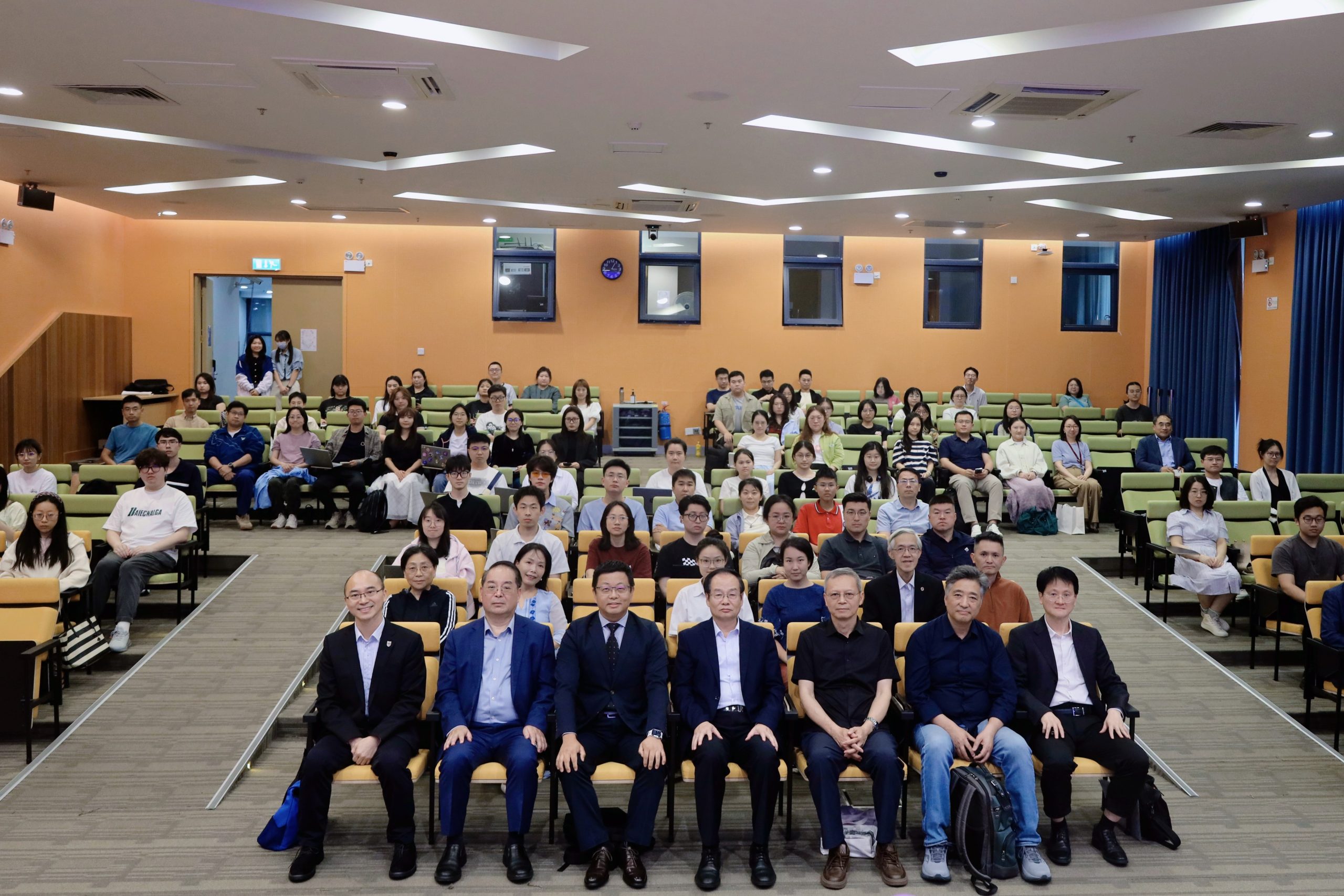
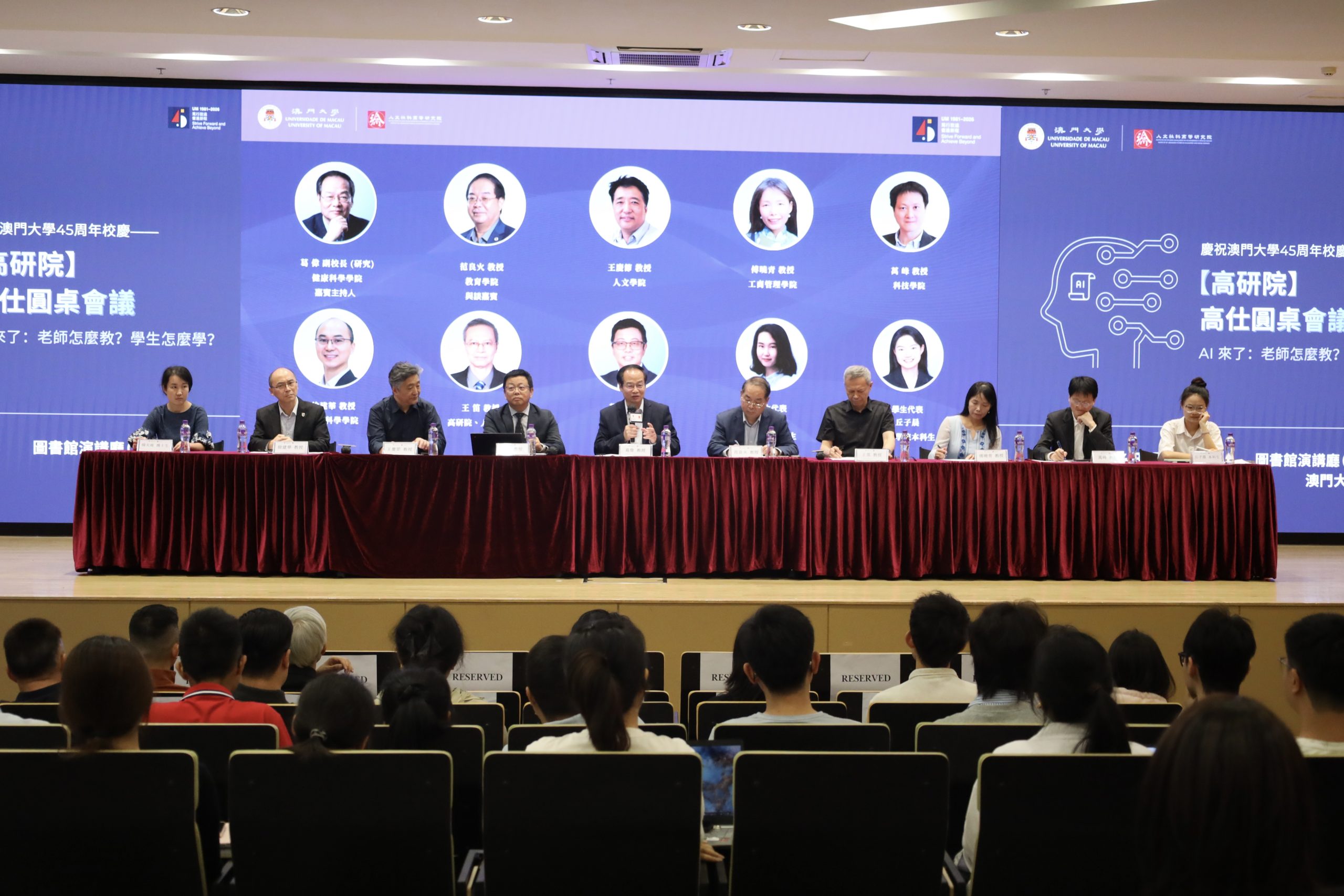
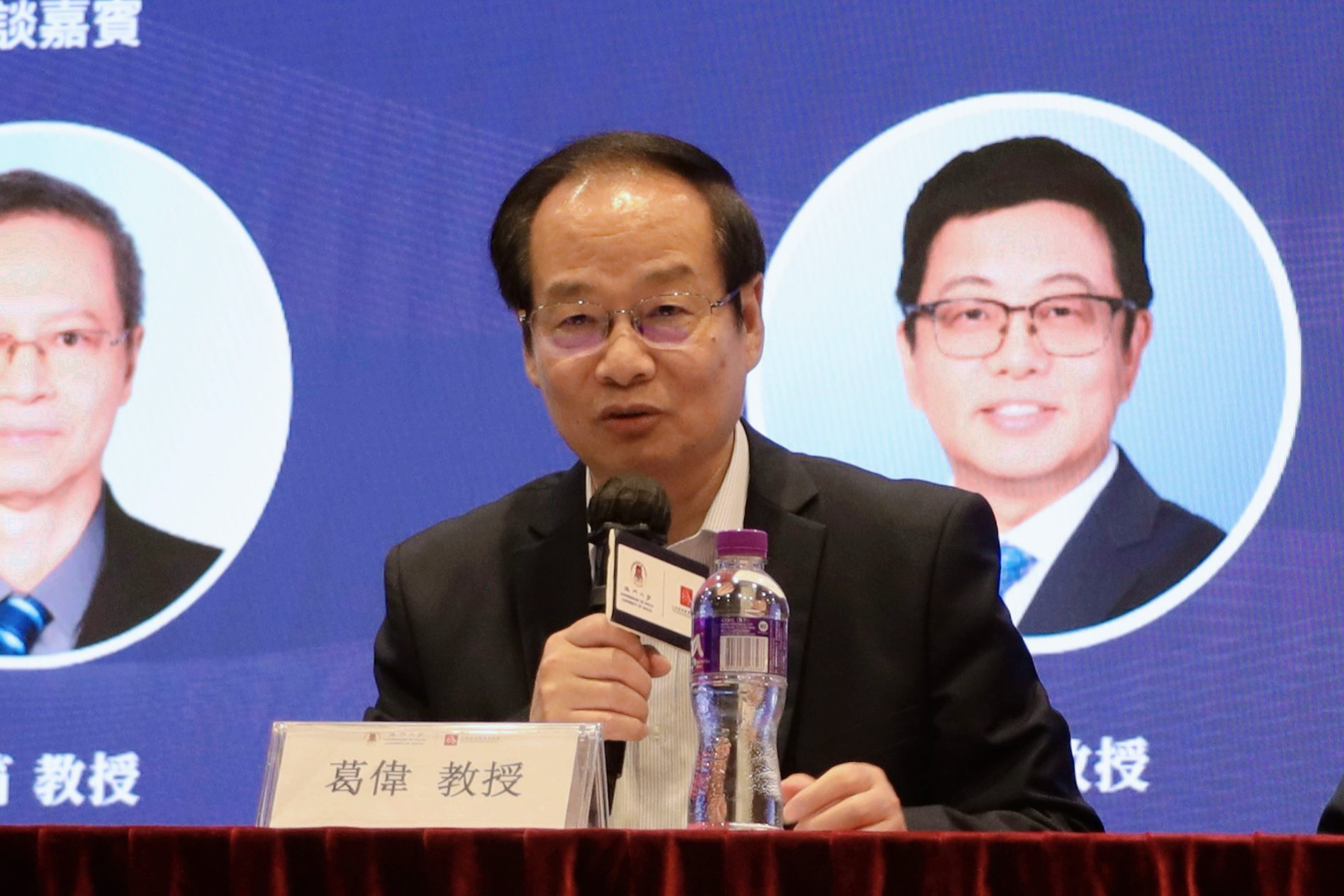
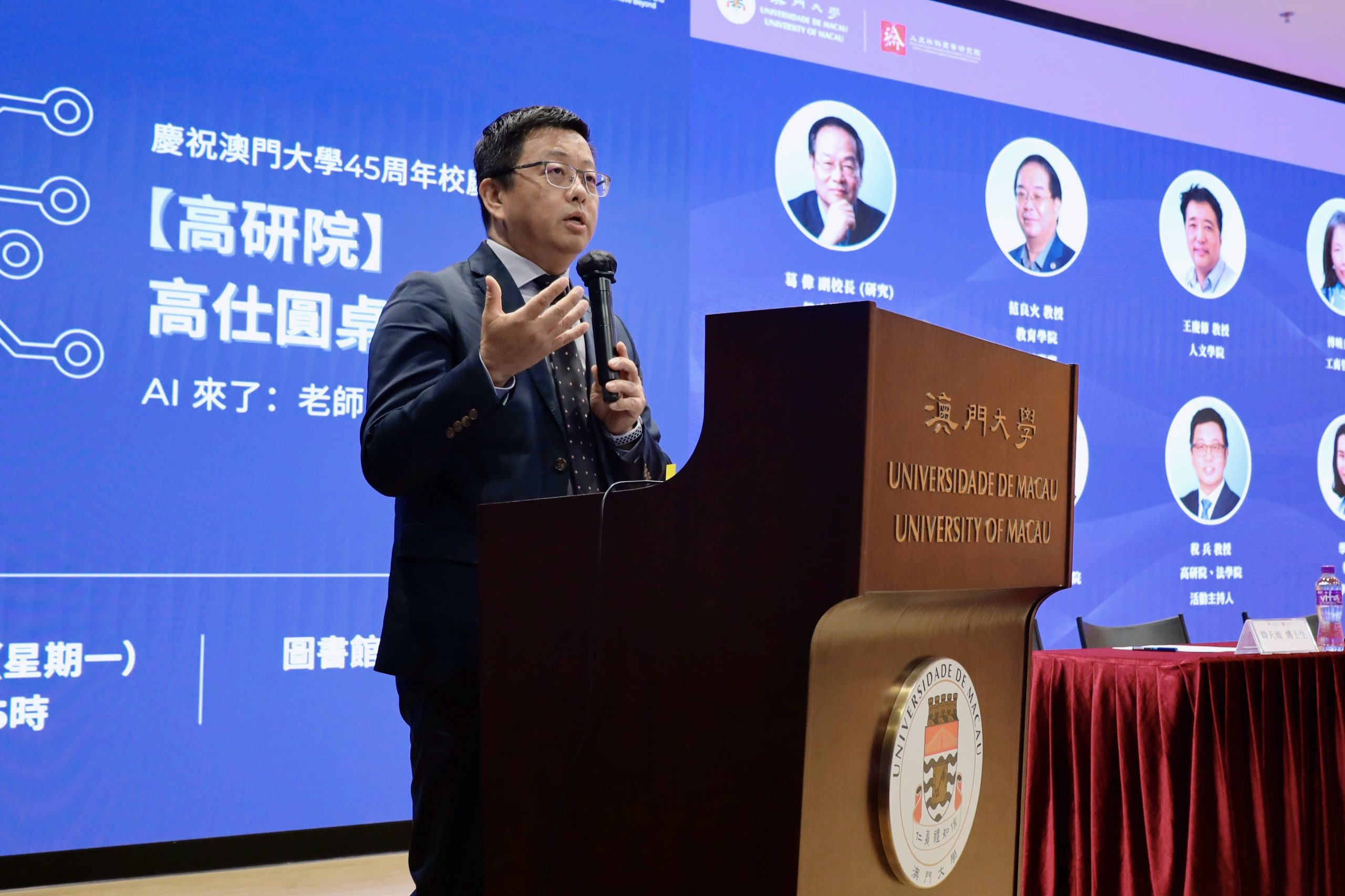
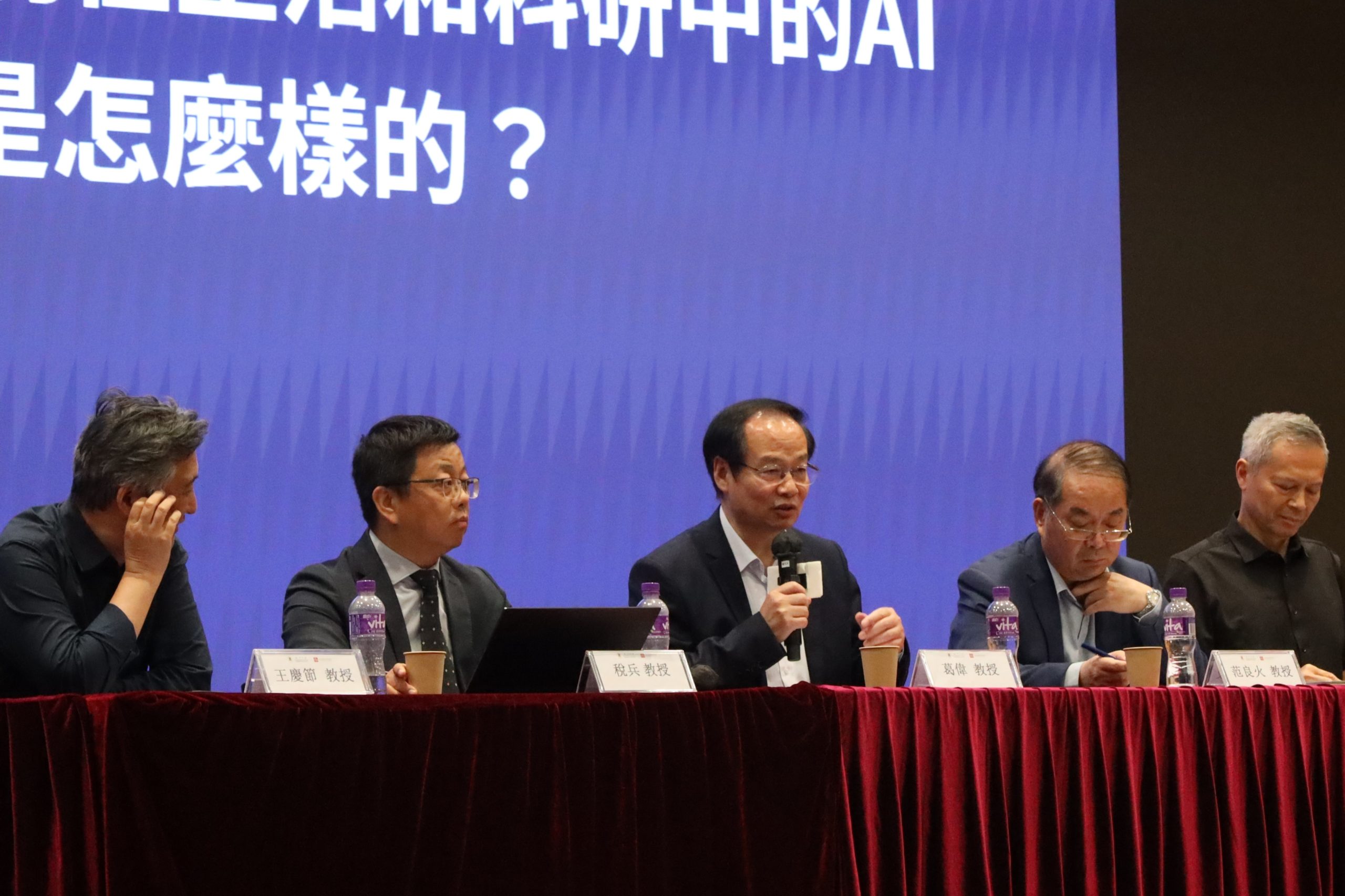
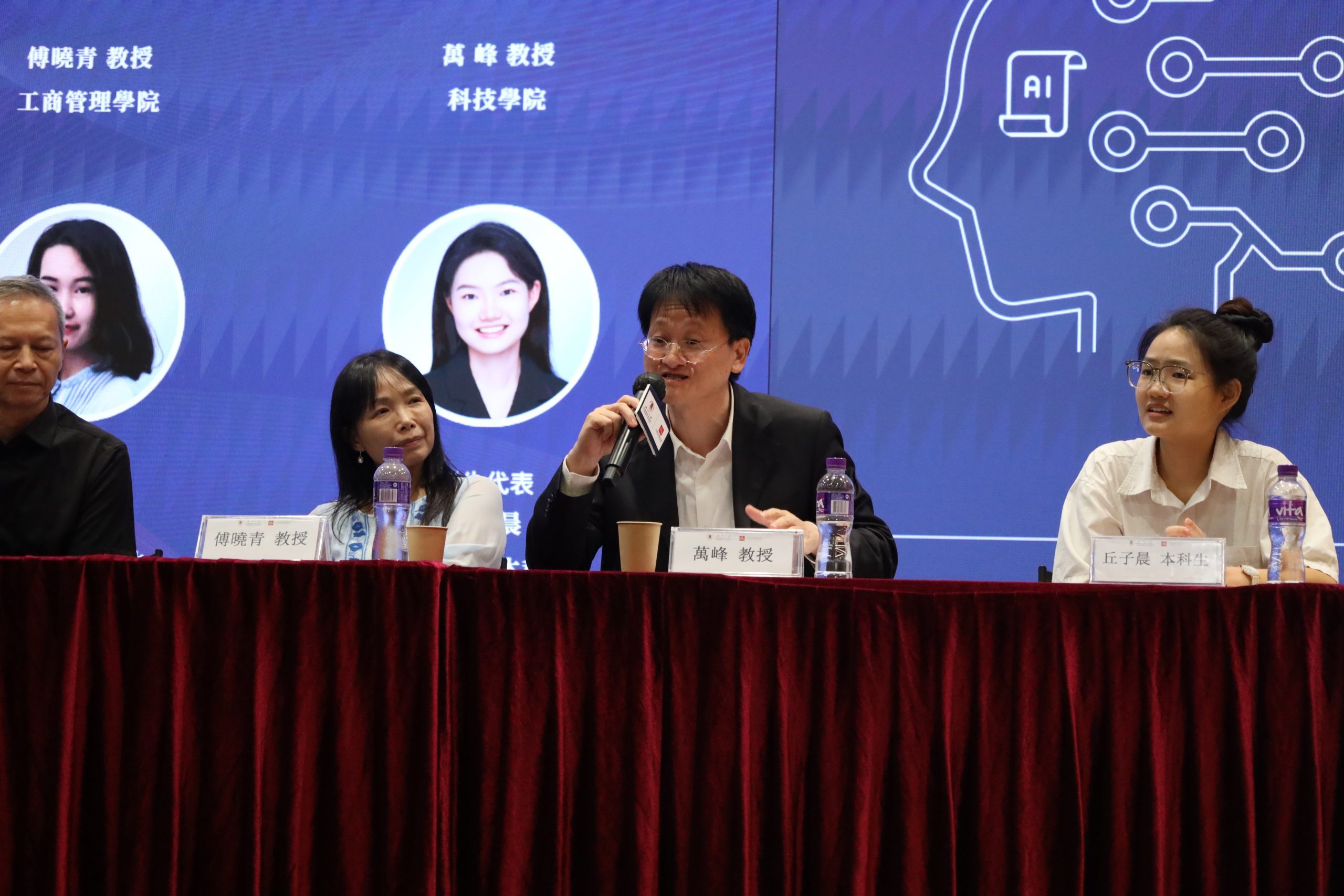
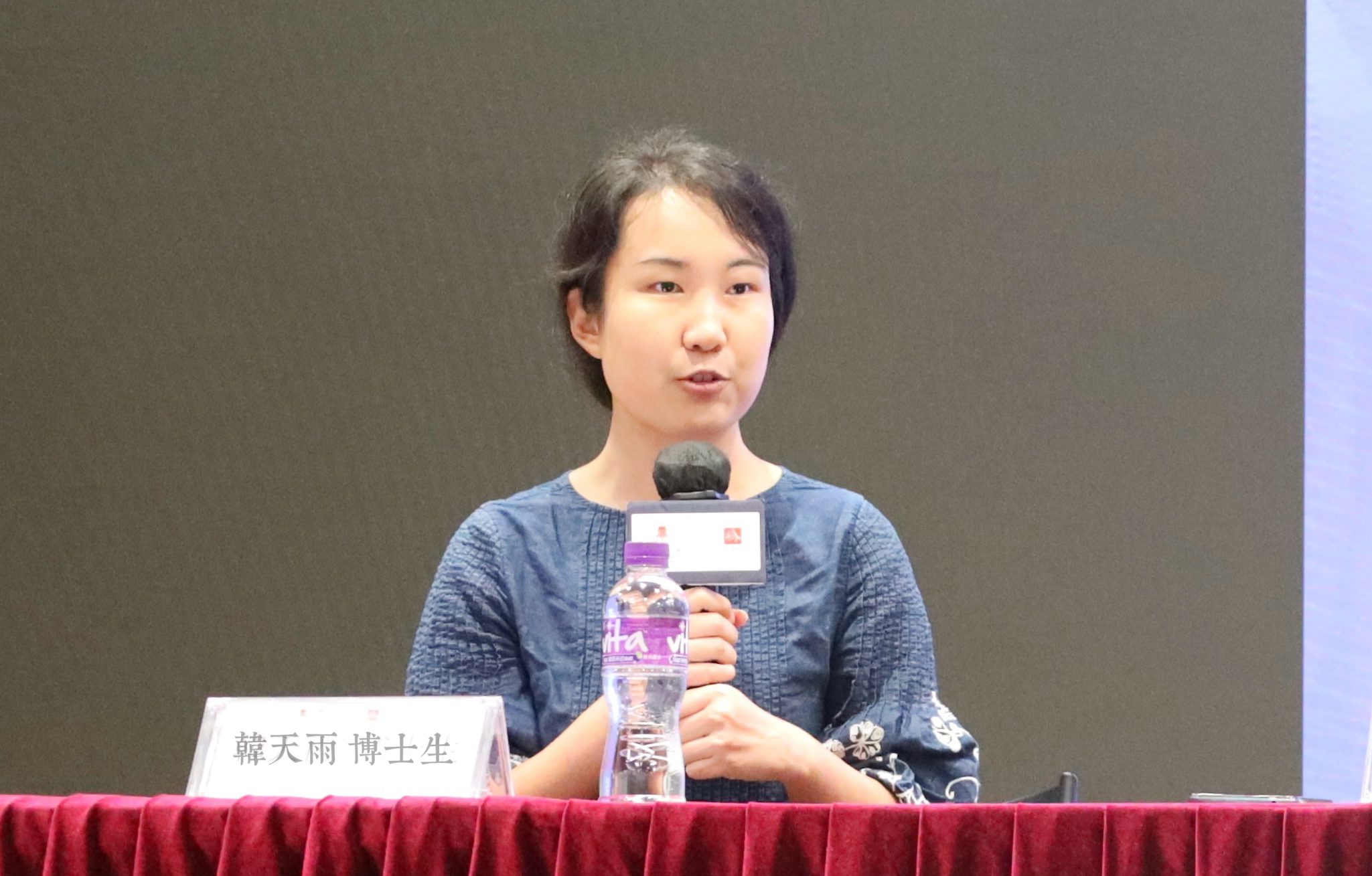
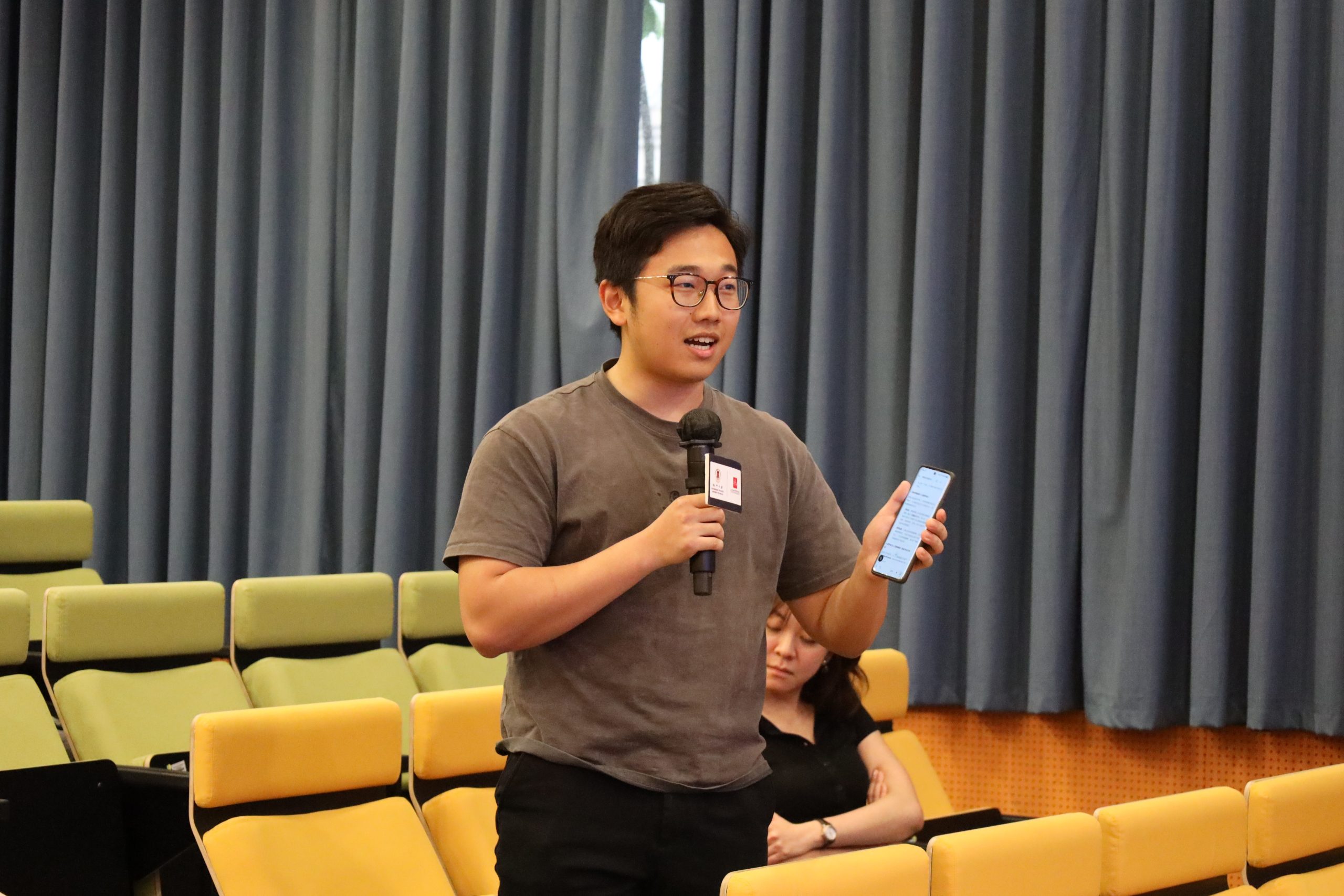
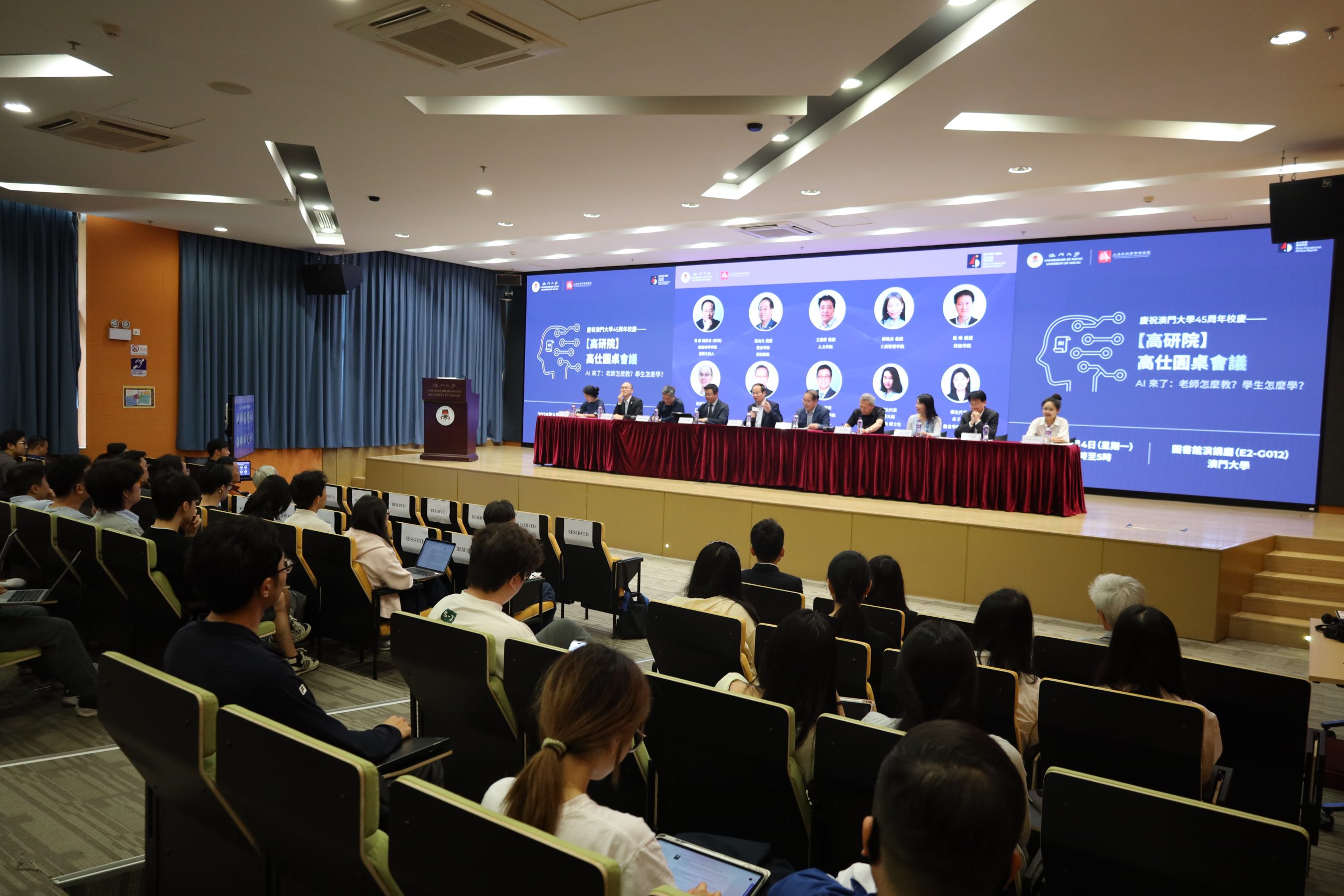
Photo Gallery 照片庫
Video Recap 影片回顧
2026年5月4日,澳門大學人文社科高等研究院(高研院)於澳門大學圖書館演講廳(E2-G012)成功舉辦了高仕圓桌會議,主題為「AI 來了:老師怎麼教?學生怎麼學?」。本次會議旨在從跨學科的視角探討人工智能對高校教學與學習的影響,並搭建專家學者與青年學生對話交流的平台。
會議由澳門大學副校長(研究)、健康科學學院講座教授葛偉教授擔任嘉賓主持,會議主持人為高研院副院長、法學院環球法律學系教授稅兵教授。與談嘉賓匯集了不同領域的專家學者,分別為:教育學院院長、講座教授范良火教授,人文学院哲學與宗教學系特聘教授王慶節教授,工商管理學院金融與商業經濟學系教授傅曉青教授,科技學院電機與計算機工程系副教授萬峰教授,社會科學學院社會學系副教授徐建華教授,高研院副院長、人文学院歷史系講座教授王笛教授。會議還從報名學生中遴選了兩位學生代表與學者同台交流,分別為法學院博士生韓天雨同學和教育學院本科生丘子晨同學。
與會嘉賓從各自的研究領域與教學實踐出發,以跨學科的視角剖析了人工智能對傳統教學模式帶來的衝擊與變革,並分享了人工智能賦能高等教育的觀察與反思。討論議題涵蓋人工智能技術的演進、教學模式轉型與空間重塑、高校學術誠信規範的制定、人工智能時代的數字素養培養等核心內容,深入探討了師生人工智能素養的培養、技術發展帶來的教育公平挑戰、以及AI適老化等熱點問題。兩位學生代表也從青年學習視角展開了分享。在科研學習維度,他們分享了在學術研究中使用AI工具輔助思路架構和英文潤色的實踐經驗,展示了AI對學術訓練的輔助價值;在實習觀察維度,他們呈現了基礎教育階段學生依賴AI學習的真實狀態,為基礎教育視角提供了補充。全場會議氣氛熱烈,現場聽眾結合自身教學與學習體驗積極提問,並與嘉賓及學生代表展開了互動討論。
本次圓桌會議共吸引了130餘名校內外教職員、學生及社會各界人士的參與,不僅搭建了嘉賓學者與青年學生的交流平台,藉此提醒師生持續關注此類話題和相關活動,也為澳門大學乃至澳門地區在人工智能時代的教育發展提供了多元的思考維度。
On 4 May 2026, the Institute of Advanced Studies in Humanities and Social Sciences (IAS) at the University of Macau successfully hosted the IAS Roundtable Discussion titled “AI Is Here: How Do Teachers Teach? How Do Students Learn?” at the UM Library Auditorium (E2-G012). The event aimed to explore the impact of artificial intelligence on teaching and learning in higher education from an interdisciplinary perspective, while creating a platform for dialogue and exchange between academic scholars and young students.
The Roundtable was moderated by Prof. Wei Ge, Vice Rector (Research) and Chair Professor at the Faculty of Health Sciences (FHS), who served as the Guest Moderator, and Prof. Bing Shui, Associate Director of IAS and Professor at the Department of Global Legal Studies, Faculty of Law (FLL), who acted as the Event Moderator. The panel of discussants included distinguished scholars from various disciplines: Prof. Lianghuo Fan, Dean and Chair Professor of the Faculty of Education (FED), Prof. Qingjie Wang, Distinguished Professor at the Department of Philosophy and Religious Studies, Faculty of Arts and Humanities (FAH), Prof. Xiaoqing Fu, Professor at the Department of Finance and Business Economics, Faculty of Business Administration (FBA), Prof. Feng Wan, Associate Professor at the Department of Electrical and Computer Engineering, Faculty of Science and Technology (FST), Prof. Jianhua Xu, Associate Professor at the Department of Sociology, Faculty of Social Sciences (FSS), and Prof. Di Wang, Associate Director of IAS and Chair Professor at the Department of History, FAH. Two student representatives were selected from applicants to join the discussion with scholars. They are Tianyu Han, a PhD student in FLL, and Zichen Qiu, an undergraduate student in FED.
Drawing from their respective research expertise and teaching practices, the guest scholars analyzed the impact and transformation artificial intelligence is bringing to traditional teaching models from an interdisciplinary perspective. They shared their observations and reflections on how AI can empower higher education. The discussion covered key topics such as the evolution of AI technology, the transformation of teaching methods and spatial restructuring, the formulation of academic integrity guidelines in universities, and the cultivation of digital literacy in the AI era. It also delved into pressing issues such as the development of AI literacy among teachers and students, the challenges to educational equity posed by technological advancement, and the application of AI in age-friendly settings.
The two student representatives shared insights from a youth learning perspective: in the context of academic research and learning, they elaborated on their practical experiences with AI tools for research framework construction and academic English refinement, demonstrating the supportive role of AI in academic training; from an internship observation standpoint, they presented the prevalent reliance on AI for learning in basic education, providing an additional perspective on foundational education. The roundtable fostered a vibrant academic atmosphere, with attendees actively engaging in discussions, raising questions based on their own teaching and learning experiences, and interacting with the guest scholars and student representatives.
The roundtable attracted over 130 participants, including faculty, students, and members of the public from both within and outside the university. It not only facilitates academic exchanges and sustains ongoing attention on AI among scholars and young learners but also provides a diverse range of perspectives on the future of AI-driven educational development at the University of Macau and across the broader Macao region.