UM Cheong Kun Lun College Organizes ICH Workshop Series to Promote Traditional Chinese Culture
澳門大學張崑崙書院舉辦非遺系列工作坊 傳承中華優秀傳統文化
澳門大學張崑崙書院的「文化創意小組」於 2025 / 2026 學年間成功舉辦第二屆「非物質文化遺產(非遺)主題系列工作坊」。該系列活動旨在讓學生深入體會中華優秀傳統文化的魅力,促進文化傳承與創新,並將非遺文化帶進校園生活,延續書院「陽光書院、文化崑崙」的核心理念。
本屆系列工作坊在繼承首屆經驗的基礎上大膽創新,將傳統工藝與美食文化深度融合。學年伊始,書院舉辦了「七巧果工作坊」,讓院生在七夕佳節了解傳統習俗並親手製作寓意心靈手巧的點心。中秋期間,書院於圖書館設置「冰皮月餅製作攤位」,將書院吉祥物「崑崑」融入傳統月餅設計,以互動形式推廣獨特的書院文化。此外,書院更聯同澳門大學文學創作社舉辦「手作魚燈工作坊」,帶領參加者探索魚燈的歷史背景與非遺技藝。
進入春季學期,系列活動進一步推陳出新。書院推出創新的「書法麵包工作坊」,將中式書法藝術與西式烘焙結合,吸引院生踴躍參與。隨後的「春日青團工作坊」則強調健康飲食,帶領院生製作低糖低脂的青團,並結合書寫與包裝設計,展現非遺在日常生活中的活化應用。針對畢業季,書院特別為畢業生量身打造「簪花學士帽工作坊」,讓學生在動手創作中重溫大學四年的美好時光。
張崑崙書院院長黃民聰教授對文化創意小組的表現給予充分肯定。他指出,書院秉持「四位一體」全人教育模式,透過活動學習、共膳教育、學術支持、書院課程及關顧服務等舉措,不僅培育學生協作、溝通及解決問題的能力,更重要的是,透過深度參與中華傳統文化活動,激發學生的家國情懷與文化自信。黃民聰院長認為,以非遺為媒介的實踐活動,正是學生在真實情境中學習的典型例證,讓學生在親身體驗中感受中華文化的博大精深,從而增強對國家和民族的認同感與歸屬感,體現了書院在社群教育中的重要作用。他鼓勵學生將所學知識轉化為實際行動,為社會作出積極貢獻,成為傳承中華文化的使者。
文化創意小組創始人黃嘉穎與現任組長李博涵表示,第二屆系列活動形式更加多元,獲得了師生的廣泛好評。未來,張崑崙書院及文化創意小組將持續推動各類文化實踐活動,讓傳統之美融入日常書院生活,豐富學生的學習經歷,進一步促進中華優秀傳統文化的傳承與發展。
*由劉澤宏、李博涵、陳家豪報導
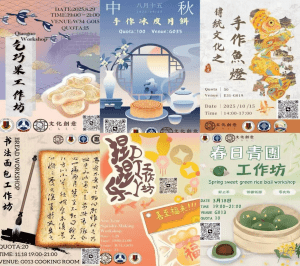
圖:文化創意小組非遺工作坊活動海報合集
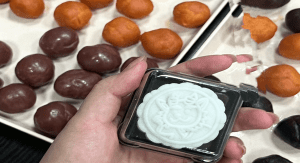
圖:中秋冰皮月餅攤位活動現場
Cheong Kun Lun College (CKLC) of the University of Macau (UM) successfully organized the second series of Intangible Cultural Heritage (ICH) workshops during the 2025/2026 academic year. This series of activities aimed to provide students with a deep understanding of the charm of excellent traditional Chinese culture, promote cultural inheritance and innovation, and integrate ICH into campus life, continuing the college’s core philosophy of “Sunshine College, Profound Culture.”
Building on the experience of the first series, this year’s workshops boldly innovated by deeply integrating traditional craftsmanship with culinary culture. At the beginning of the academic year, the college held a “Qiqiao Fruit Workshop,” allowing students to learn about traditional customs during the Qixi Festival and personally make pastries symbolizing ingenuity. During the Mid-Autumn Festival, the college set up a “Snow-Skin Mooncake Making Booth” in the library, incorporating the college mascot “Kun Kun” into traditional mooncake designs to promote the unique college culture through interactive forms. In addition, the college collaborated with the UM Literary Society to organize a “Handmade Fish Lantern Workshop,” leading participants to explore the historical background and ICH techniques of fish lanterns.
Entering the spring semester, the series of activities further innovated. The college launched the innovative “Calligraphy & Bread Workshop,” combining the art of Chinese calligraphy with Western baking, attracting enthusiastic participation from students. The subsequent “Springtime Qingtuan (Green Glutinous Rice Ball) Workshop” emphasized healthy eating, guiding students to make low-sugar and low-fat Qingtuan, and combining calligraphy with packaging design to demonstrate the revitalization of ICH in daily life. For the graduation season, the college specially tailored a “Zanhua (Flower-pinned) Academic Cap Workshop” for graduates, allowing students to relive the wonderful four years of university life through hands-on creation.
Professor Man Chung WONG, College Master of Cheong Kun Lun College, fully affirmed the performance of the Cultural and Creative Group. He pointed out that the college adheres to the “4-in-1” holistic education model, which, through experiential learning, communal meal education, academic support, college courses, and pastoral care, not only cultivates students’ abilities in collaboration, communication, and problem-solving, but more importantly, through deep participation in traditional Chinese cultural activities, it inspires students’ patriotism and cultural confidence. Professor WONG believes that practical activities using ICH as a medium are typical examples of students learning in real-life situations, allowing students to experience the profound richness of Chinese culture firsthand, thereby enhancing their sense of identity and belonging to the nation, reflecting the college’s important role in community education. He encourages students to transform their acquired knowledge into practical actions, make positive contributions to society, and become ambassadors for the inheritance of Chinese culture.
WONG Ka Wing, founder of the Cultural and Creative Group, and LI Bohan, the current leader, stated that the second series of activities was more diverse and received widespread praise from faculty and students. In the future, Cheong Kun Lun College and the Cultural and Creative Group will continue to promote various cultural practice activities, integrating the beauty of tradition into daily college life, enriching students’ learning experiences, and further promoting the inheritance and development of excellent traditional Chinese culture.
Reported and edited by Zehong Liu, Bohan Li and Ka Hou Chan