
【IAS】Professor Akinobu KURODA Speaks in Distinguished Guest Lecture at IAS
【高研院】由黑田明伸教授主講之特邀嘉賓講座圓滿舉行

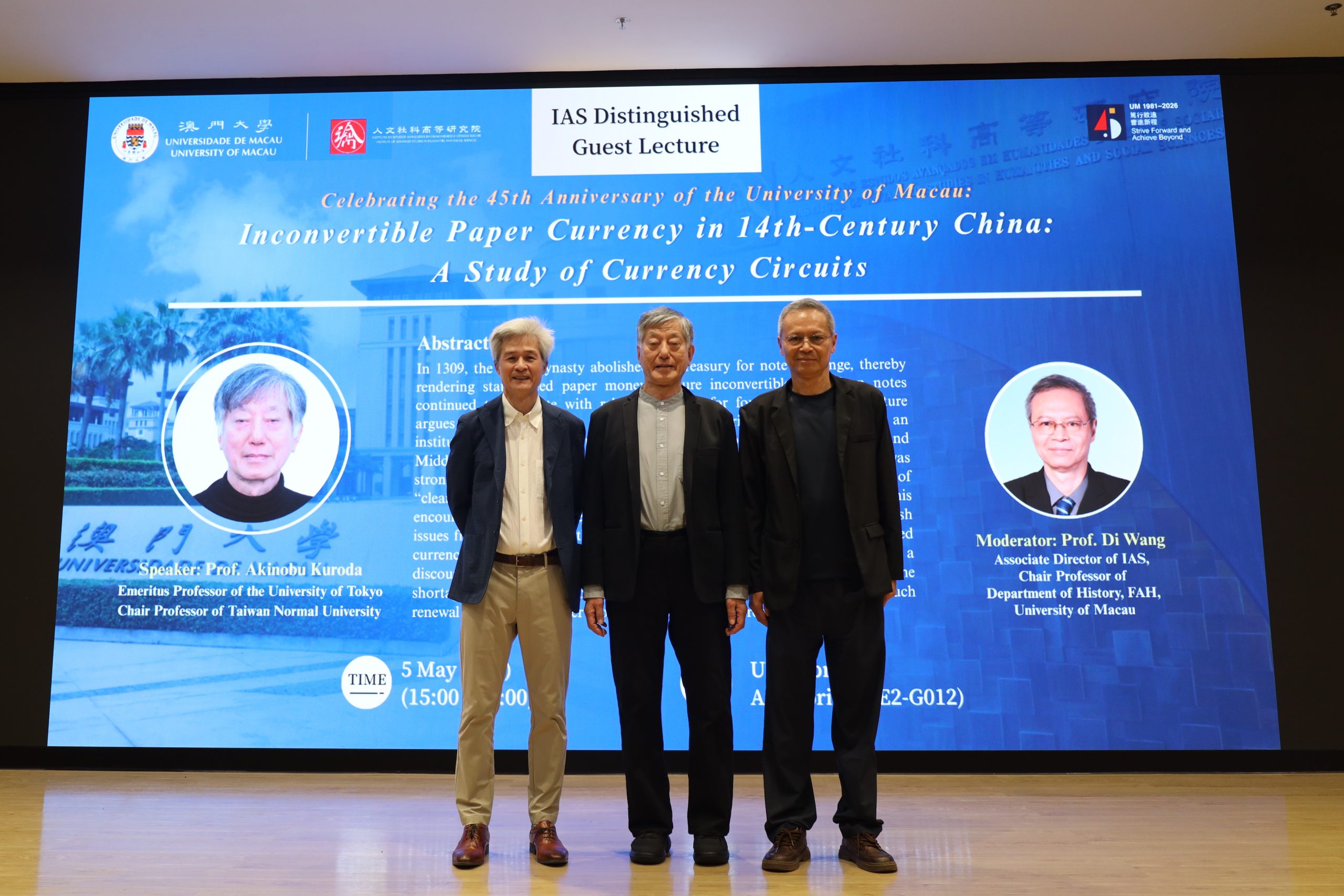
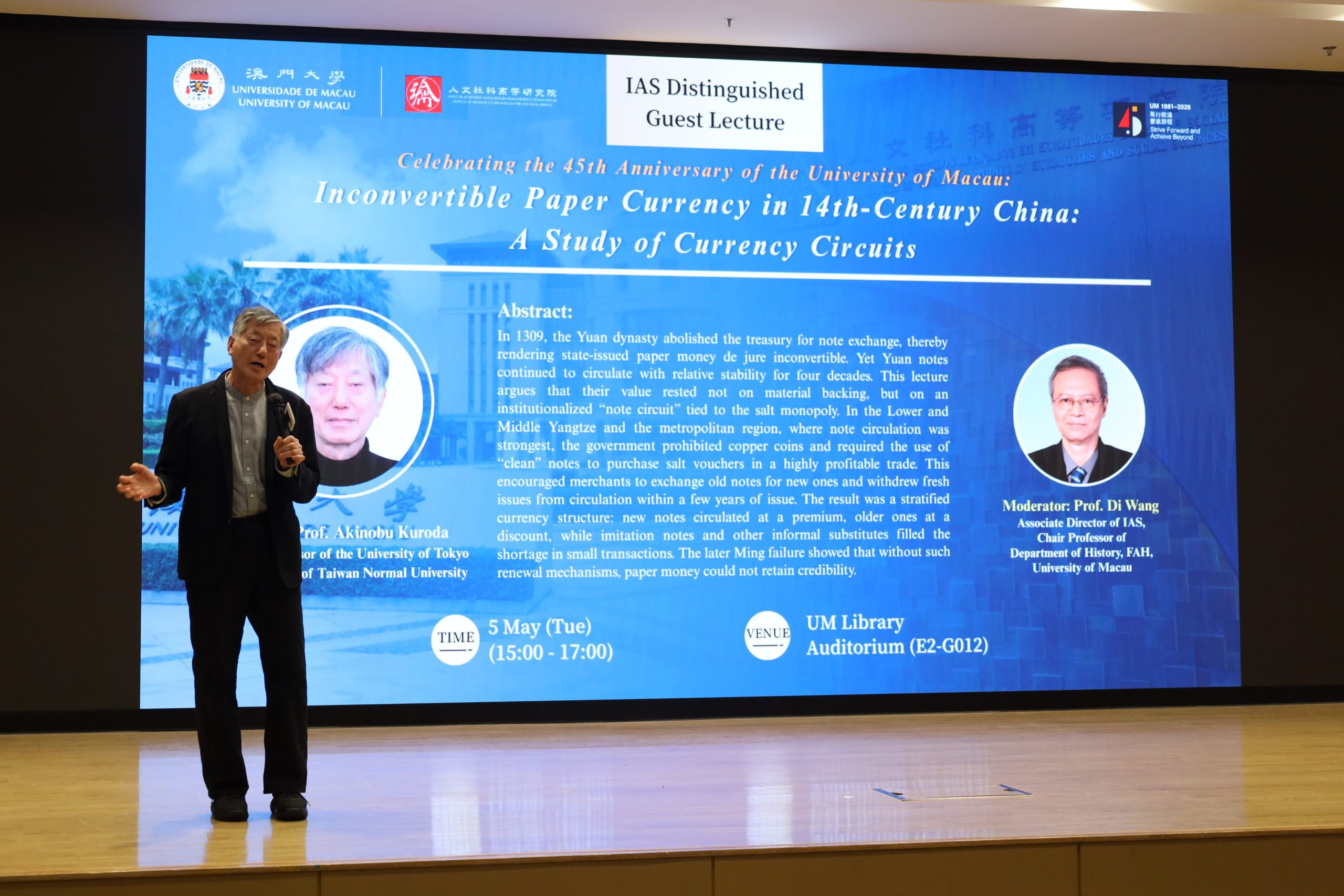
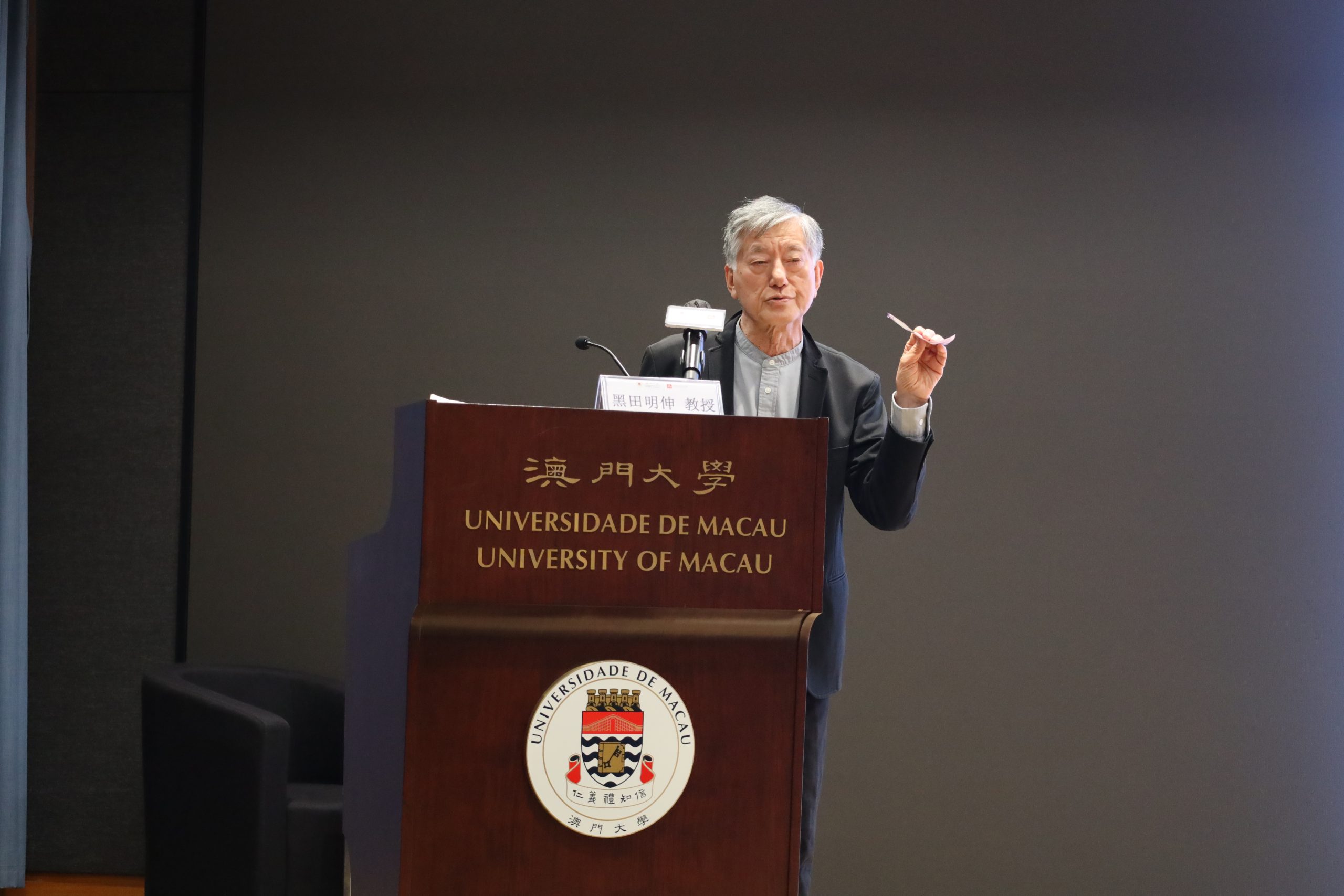
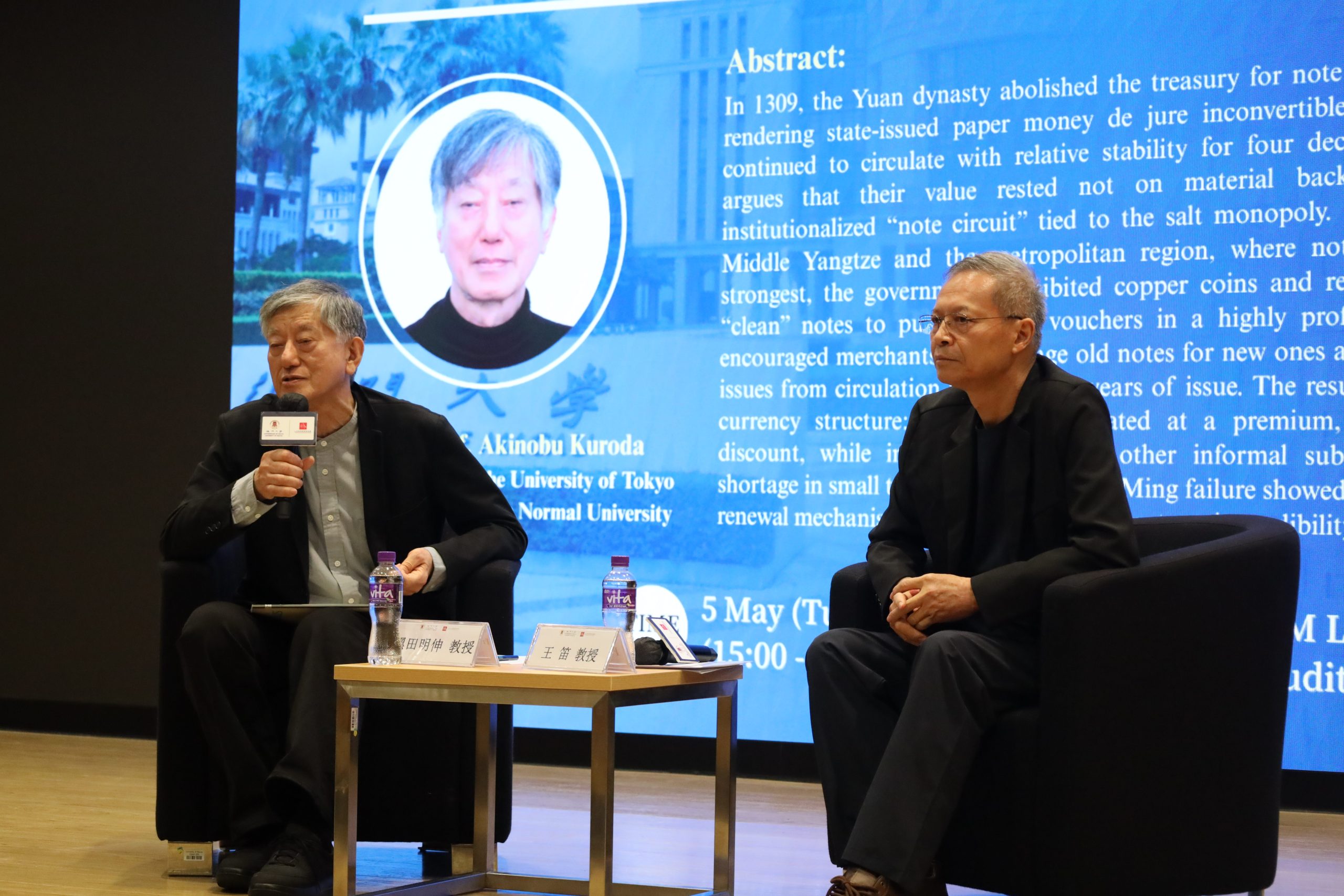
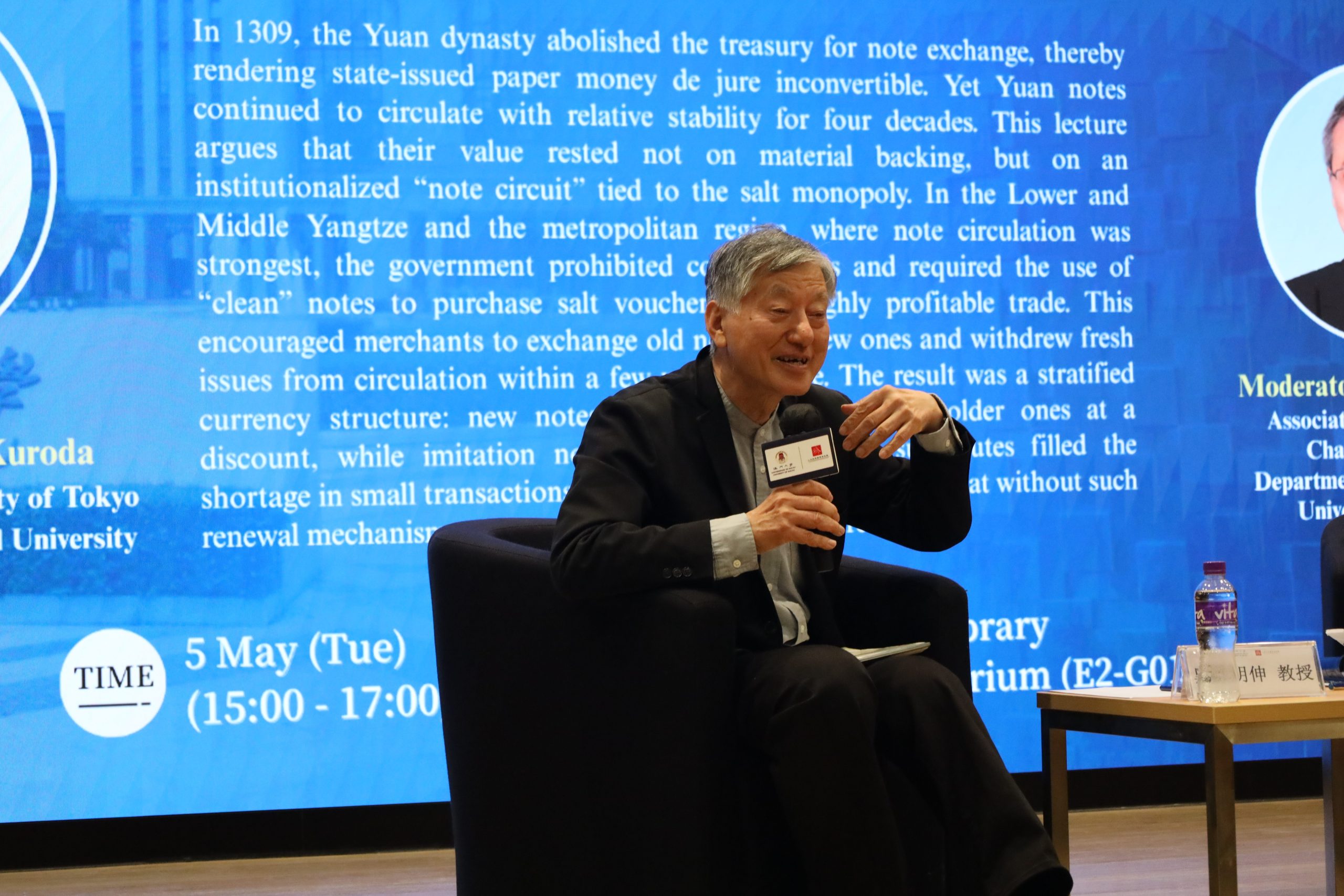
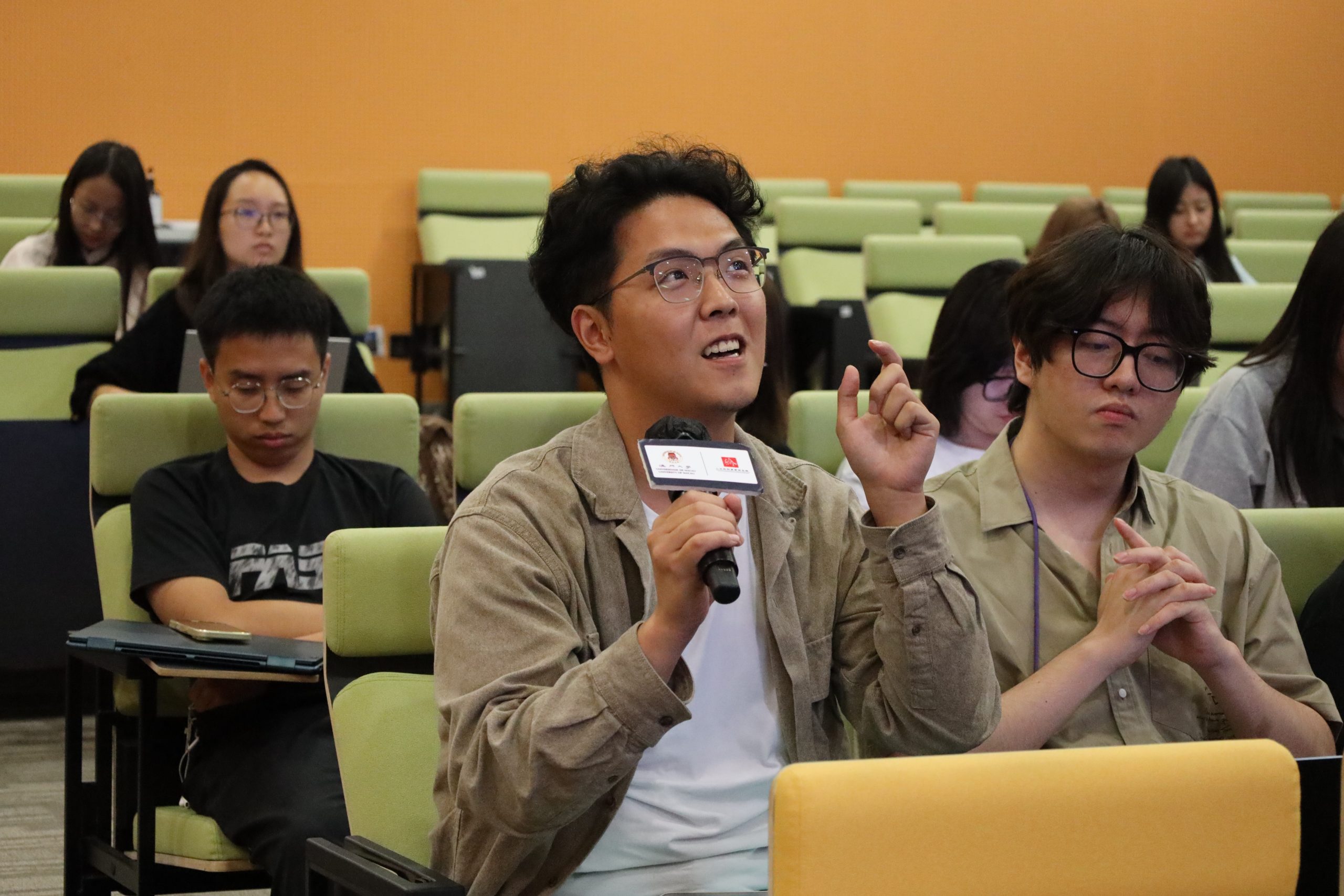
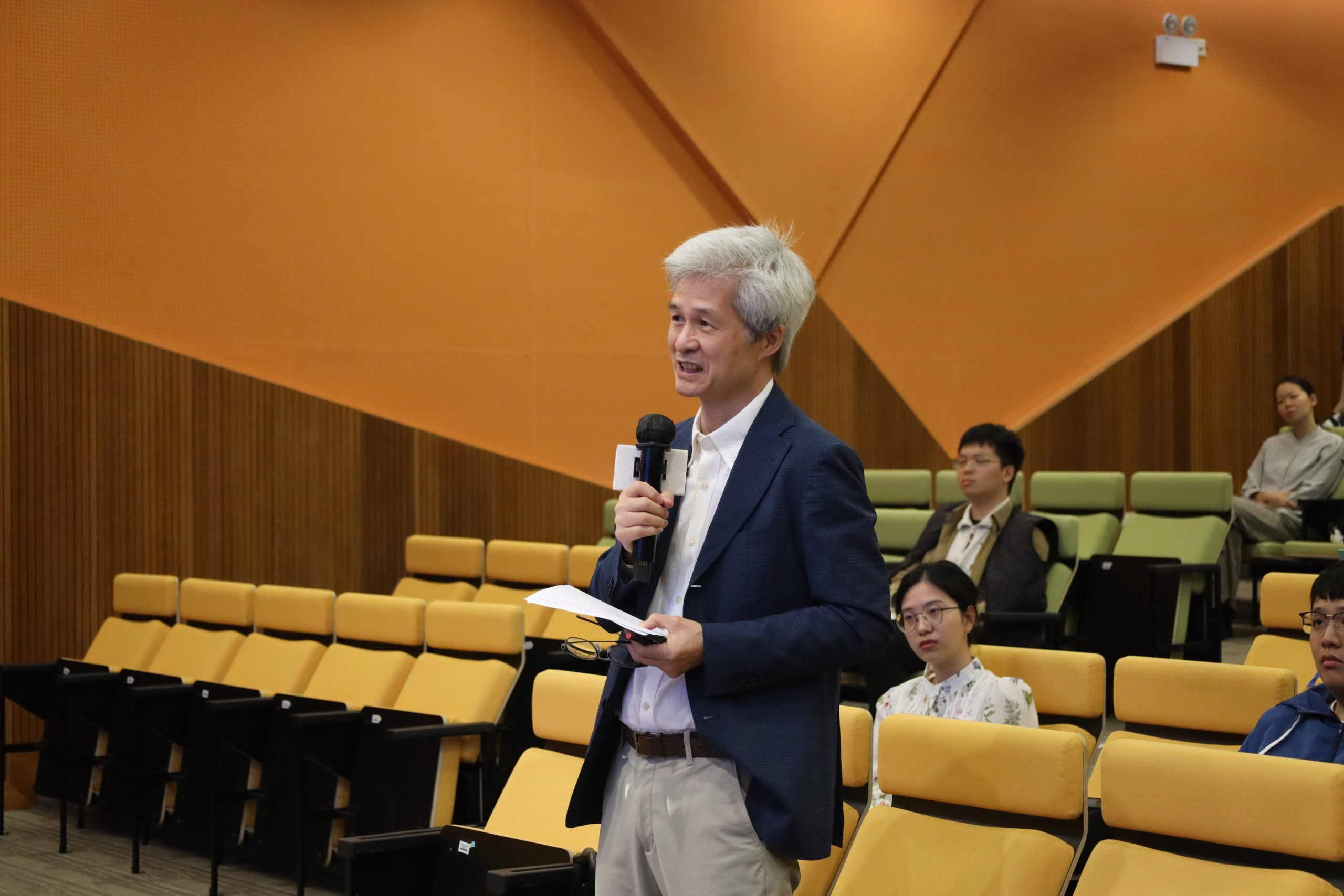
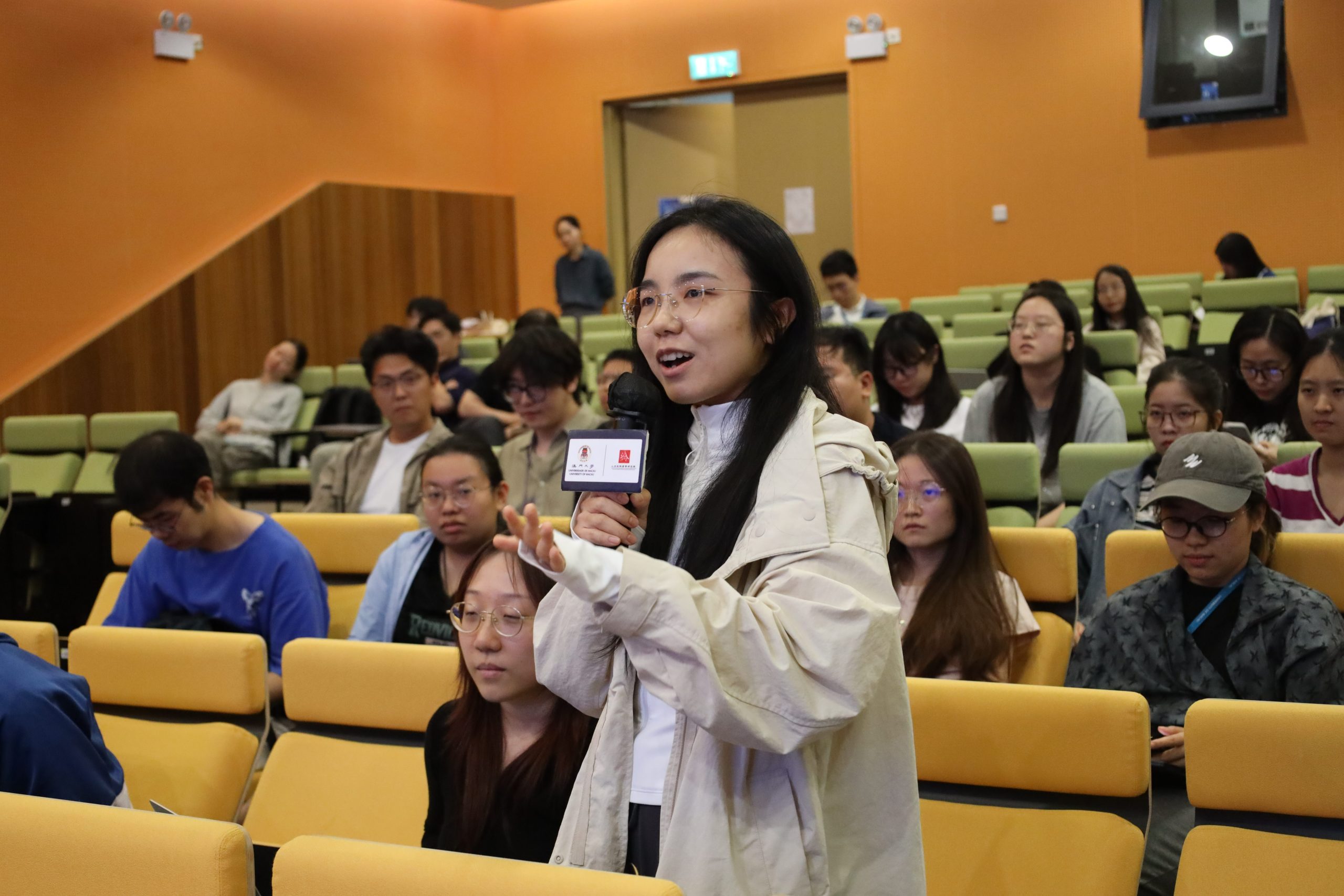
Photo Gallery 照片庫
Video Recap 影片回顧
2026年5月5日,澳門大學人文社科高等研究院(高研院)舉行特邀嘉賓講座,邀請東京大學名譽教授、臺灣師範大學歷史學系講座教授黑田明伸教授(Professor Kuroda Akinobu)蒞臨演講,以「十四世紀中國的不兌現紙幣:從流通機制看全球首創之制」為題作專題分享。講座由高研院副院長、人文學院歷史系講座教授王笛教授主持。活動吸引來自歷史學、經濟學及社會科學等不同學科背景的師生參與,現場交流氣氛熱烈。
黑田教授以1309年元代廢止行用庫為切入點,指出此舉標誌著國家發行的紙幣在法律層面上正式轉為「不兌現紙幣」。儘管此前中國官鈔在制度設計上屬可兌換貨幣,但在實際運作中往往處於事實上的不兌現狀態。元代改革之後,紙幣不再依附於金屬儲備,轉而依靠制度安排維持流通秩序。尤為值得關注的是,元代紙幣在隨後四十餘年間得以相對穩定地流通,未出現劇烈通貨膨脹。圍繞「在缺乏實物儲備支撐的情況下,紙幣價值何以維繫?」這一核心問題,黑田教授展開深入分析。
講座指出,元代財政高度依賴鹽專賣制度,特別是在江南地區。透過規定鹽引須以「淨鈔」購買,並禁止銅錢在相關區域流通,政府有效塑造了對新鈔的持續需求,形成一種制度化的「紙幣流通迴路」。在此機制下,市場逐步形成新鈔溢價、舊鈔折價的分層結構。當可流通貨幣需求超出官方供給時,仿製鈔票及其他非正式替代物在小額交易中填補缺口,使官方不兌現紙幣制度得以集中於較高價值之交易層面而維持運作。
在比較元明兩代紙幣制度時,黑田教授指出,明代未能建立促進舊鈔更新的運作機制,亦未透過貨幣而是以糧食銷售鹽引,導致紙幣流通缺乏制度支撐,最終削弱貨幣循環動力。兩代經驗對照顯示,在尚未形成銀行體系的前近代經濟中,紙幣之穩定性並非單純依賴法償地位或信用宣示,而有賴於制度化的流通結構,以持續塑造需求、調節供給並完成週期性更新。
在問答討論環節,高研院學術項目與刊物主任、人文學院歷史系特聘教授林少陽教授回應講座內容,並就宋元明鹽政與貨幣政策演變、元代紙幣地域流通差異、偽幣的商業流通作用及鹽引屬性等議題提出進一步思考。多位與會師生亦踴躍提問,黑田教授逐一回應,並進一步從闡述十四世紀中國紙幣制度的歷史意義。現場交流深入而富啟發性。
本次講座不僅深化了與會者對前近代中國貨幣制度運作機制的理解,也為思考現代貨幣體系的制度基礎提供了重要歷史參照。透過跨學科對話,有效促進經濟史領域的學術互動與學科交融。
On May 5, 2026, the Institute of Advanced Studies in Humanities and Social Sciences (IAS) of the University of Macau held a distinguished guest lecture by Professor Kuroda Akinobu, Emeritus Professor of the University of Tokyo and Chair Professor of the Department of History at Taiwan Normal University, entitled “Inconvertible Paper Currency in 14th-Century China: A Study of Currency Circuits.” The lecture was moderated by Professor Wang Di, Associate Director of IAS and Chair Professor of the Department of History in the Faculty of Arts and Humanities (FAH). The event attracted faculty and students from diverse disciplinary backgrounds including history, economics and social sciences, featuring a lively atmosphere of academic exchange.
Professor Kuroda opened with the Yuan dynasty’s abolition of the treasury for note exchange in 1309, which transformed state-issued paper money into a de jure inconvertible currency. Although earlier Chinese state notes had been formally convertible, they often functioned as de facto inconvertible money. Following this reform, Yuan notes circulated for over four decades with relative stability and without significant inflation. Focusing on the central question of how a currency lacking material backing could sustain its value, Professor Kuroda highlighted the institutional foundations of its circulation.
He explained that the Yuan State’s fiscal revenue relied heavily on the salt monopoly, particularly in the Lower and Middle Yangtze regions. The prohibition of copper coin in these areas, combined with the requirement that salt vouchers be purchased exclusively with “clean” (newly issued or high-quality) notes, generated continuous demand for new issues. In effect, this arrangement constituted an institutionalized “note circuit”, through which newly issued notes were drawn out of circulation within a few years. A stratified currency structure emerged: new notes circulated at a premium, while older issues were discounted. As demand for usable currency outstripped official supply, imitation notes and other informal substitutes filled the gap in small-scale transactions, allowing the official inconvertible regime to function by concentrating on higher-value exchanges.
In comparing the Yuan and Ming dynasties, Professor Kuroda noted that the Ming government failed to establish mechanisms for renewing old notes and instead sold salt vouchers primarily in exchange for grain. The resulting absence of a structured “note circuit” undermined the sustainability of paper currency. The contrasting experiences of the two dynasties suggest that, in pre-banking economies, the credibility of paper money depended not merely on legal status or declarations of trust, but on institutionalized circuits that sustained demand, structured circulation, and ensured periodic renewal.
During the Q&A session, Professor Lin Shaoyang, Head of Academic Programme and Publication of IAS and Distinguished Professor of the Department of History in FAH, commented on the lecture and raised reflective questions concerning the evolution of salt administration and monetary policies across the Song, Yuan and Ming dynasties, regional disparities in Yuan paper money circulation, the commercial function of counterfeit currency, and the monetary attributes of salt certificates. Many participating faculty and students actively posed questions, to which Professor Kuroda responded comprehensively and further elaborated the historical significance of China’s paper currency system in the 14th century. The on-site exchange was profound and intellectually inspiring.
The lecture deepened understanding of the operational logic of premodern Chinese paper money and offered a historically grounded perspective on the structural foundations of paper currency more generally.