News Express: UM and Brazilian institutions jointly organise seminar on law and AI
新聞快訊:澳大與巴西院校合辦法律與人工智能研討會
澳大與巴西院校合辦法律與人工智能研討會
UM and Brazilian institutions jointly organise a seminar on law and AI
A Universidade de Macau e instituições brasileiras organizam conjuntamente um seminário sobre Direito e Inteligência Artificial
澳大與巴西院校合辦法律與人工智能研討會
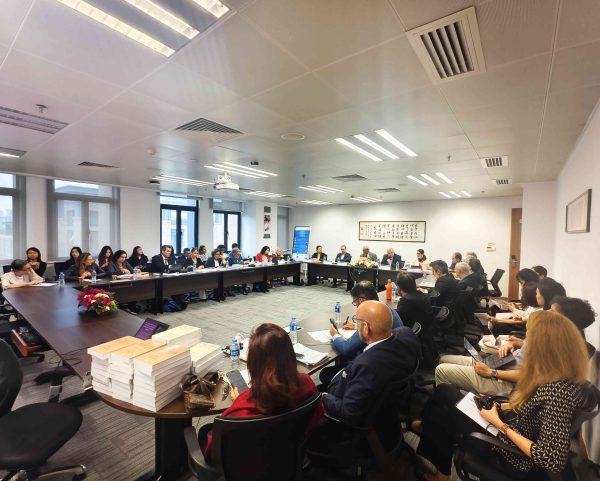
由澳門大學法學院、巴西托坎廷斯聯邦大學與巴西托坎廷斯州高級法官學院合辦的“澳門與巴西對話:法律與人工智能研討會”於10月20日在澳大舉行。研討會匯聚來自澳門與巴西的學者、法官、研究人員及學生,深入探討人工智能對法律領域的影響與挑戰。
研討會開幕式上,澳大副校長馬許願(Rui Martins)強調了澳大在中國與葡語國家對話平台的重要角色;澳大法學院院長唐曉晴探討了利用人工智能提升司法效率與公平性的同時,對其發展與規範應用的雙重挑戰。巴西托坎廷斯州高級法官學院院長Marco Villas Boas強調了人工智能帶來的機遇,主張以倫理和負責的態度使用該技術;巴西托坎廷斯聯邦大學司法保障與人權課程主任Tarsis Barreto Oliveira則肯定了是次研討會對促進巴西與澳門在相關領域合作的戰略意義。
研討會分為兩大環節。第一環節以葡語進行,專題報告涉及人工智能對巴西司法效能的影響、監管框架衝突分析:歐盟人工智能法案與仲裁,以及責任歸屬、治理、數據保護等方面的挑戰,還涵蓋公司治理、生成式人工智能與知識產權保護,以及“赫魯斯計劃”等環境治理實踐應用。
第二環節以英語進行,首場報告分析了巴西司法系統中的算法正義,並探討了主動生成式AI與被動生成式AI在概念上的區別。其後各場報告依次探討了全球人工智能治理爭議、人工智能在中國刑事司法中的應用、巴西的監管展望,以及人工智能與物聯網在司法生態中的融合、中國與巴西在數據治理上的區別、人工智能在生物醫學領域的倫理問題、人工智能在刑法中的適用界限等。
研討會閉幕式上,澳大法學院法律研究中心主任Manuel Trigo及副主任蔣依娃、Marco Villas Boas、Tarsis Barreto Oliveira分別作總結發言,肯定是次研討會的成果。
欲瀏覽官網版可登入以下連結:
https://www.um.edu.mo/zh-hant/news-and-press-releases/press-release/detail/62827/
UM and Brazilian institutions jointly organise seminar on law and AI
The Faculty of Law (FLL) of the University of Macau (UM); the Federal University of Tocantins (UFT), Brazil; and the Superior School of the Judges of the State of Tocantins (ESMAT), Brazil jointly organised a seminar titled ‘Dialogue Between Macao and Brazil: Law and Artificial Intelligence’ on 20 October. The event brought together scholars, judges, researchers, and students from Macao and Brazil to engage in in-depth discussions on the impact and challenges of artificial intelligence (AI) in the legal sector.
At the opening ceremony, UM Vice Rector Rui Martins highlighted UM’s role as a platform for dialogue between China and Portuguese-speaking countries. Tong Io Cheng, dean of UM FLL, discussed the dual challenge of regulating AI while using it to enhance judicial efficiency and equity. Marco Villas Boas, director-general of ESMAT, emphasised the opportunities presented by AI and advocated for its ethical and responsible use. Tarsis Barreto Oliveira, coordinator of programme in judicial provision and human rights at UFT, underscored the strategic importance of the seminar in promoting collaboration between Brazil and Macao in related fields.
The seminar included two main sessions. The first session, conducted in Portuguese, featured presentations on topics such as AI’s impact on the productivity of the Brazilian magistracy, conflicts between regulatory frameworks like the EU AI Act and arbitration, and challenges in liability, governance, and data protection. There were also presentations covering corporate governance, intellectual property protection against generative AI, and practical applications such as the ‘Project Horus’ for environmental governance.
The second session, conducted in English, began with an analysis of algorithmic justice in the Brazilian judiciary, distinguishing between active and passive generative AI. Subsequent presentations explored global AI governance debates, the use of AI in Chinese criminal justice, and regulatory perspectives in Brazil. The session also addressed the integration of AI and the Internet of Things in the judicial ecosystem, comparative data governance between Brazil and China, ethical issues in AI and biomedicine, and the limits of AI applications in criminal law.
The seminar concluded with closing remarks by Manuel Trigo, director of the UM Centre for Law Studies; Jiang Yiwa, deputy director of the UM Centre for Legal Studies; Marco Villas Boas; and Tarsis Barreto Oliveira. They highlighted the significance and success of the event.
To read the news on UM’s official website, please visit the following link:
https://www.um.edu.mo/news-and-press-releases/press-release/detail/62827/
A Universidade de Macau e instituições brasileiras organizam conjuntamente um seminário sobre Direito e Inteligência Artificial
Realizou-se no dia 20 de outubro de 2025, na Faculdade de Direito da Universidade de Macau (UM), o seminário conjunto intitulado “Diálogo Entre Macau e Brasil: Direito e Inteligência Artificial”. Este evento foi uma iniciativa conjunta da Faculdade de Direito da UM, da Escola Superior da Magistratura Tocantinense (ESMAT) e da Universidade Federal do Tocantins, reunindo académicos, magistrados, investigadores e estudantes para um debate aprofundado sobre os impactos e desafios da Inteligência Artificial no domínio jurídico.
Na sessão de abertura, Rui Martins, Vice-Reitor da UM, salientou o papel da Universidade de Macau como plataforma essencial de diálogo entre a China e os países de língua portuguesa. Tong Io Cheng, Director da Faculdade de Direito da UM, abordou o duplo desafio de utilizar a Inteligência Artificial para aumentar a eficiência e a equidade do sistema judicial, garantindo simultaneamente o seu desenvolvimento e aplicação regulada. Marco Villas Boas, Director-Geral da ESMAT, enfatizou as oportunidades trazidas pela IA, defendendo a sua utilização ética e responsável. Por sua vez, Tarsis Barreto Oliveira, Coordenador do Programa de Pós-Graduação em Prestação Jurisdicional e Direitos Humanos da Universidade Federal do Tocantins, sublinhou a importância estratégica do seminário para promover a cooperação entre o Brasil e Macau nesta área.
O seminário contou com apresentações que abordaram temas como o impacto da IA na produtividade da magistratura brasileira, a análise dos conflitos entre quadros regulatórios como o Ato Europeu de IA e a arbitragem, bem como desafios relacionados com responsabilidade, governação e proteção de dados. Foram também discutidos tópicos como a governação societária, a proteção da propriedade intelectual face à IA generativa e aplicações práticas, incluindo o “Projeto Horus” para a governação ambiental. Outros debates incidiram sobre a justiça algorítmica no sistema judicial brasileiro, a distinção entre “IA Generativa Ativa” e “IA Generativa Passiva”, a governação global da IA, a utilização da IA na justiça penal chinesa, perspetivas regulatórias no Brasil, a integração da IA e da Internet das Coisas no ecossistema judicial, a comparação entre Brasil e China na governação de dados, questões éticas na IA aplicada à biomedicina e os limites da aplicação da IA no direito penal.
Na sessão de encerramento, Manuel Trigo, Director do Centro de Estudos Jurídicos da UM, Jiang Yiwa, Subdirectora do mesmo Centro, bem como Marco Villas Boas e Tarsis Barreto Oliveira, apresentaram as suas considerações finais, reconhecendo unanimemente o sucesso do evento.
Para ler a notícia no sítio Web oficial da UM, visite a seguinte ligação:
https://www.um.edu.mo/pt-pt/news-and-press-releases/press-release/detail/62827/