MCM College: Experiential Learning Exchange Trip for the Empowerment of Cultural Engagement — studying ancient colleges and cultural heritage sites in appreciation of the Central Plains culture in Henan
滿珍紀念書院:走訪河南古代書院及文化遺址、體悟中原文化傳承暨古都風華
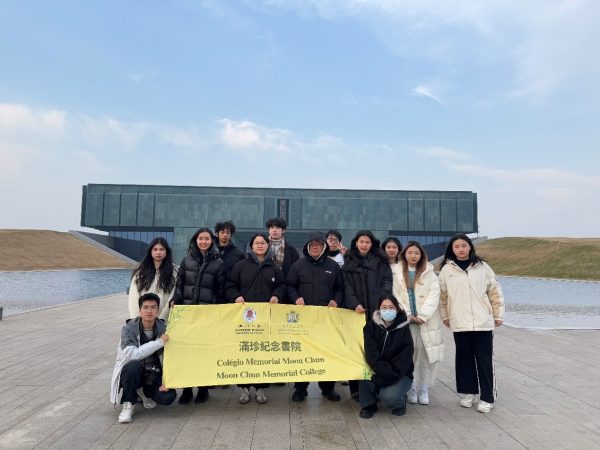
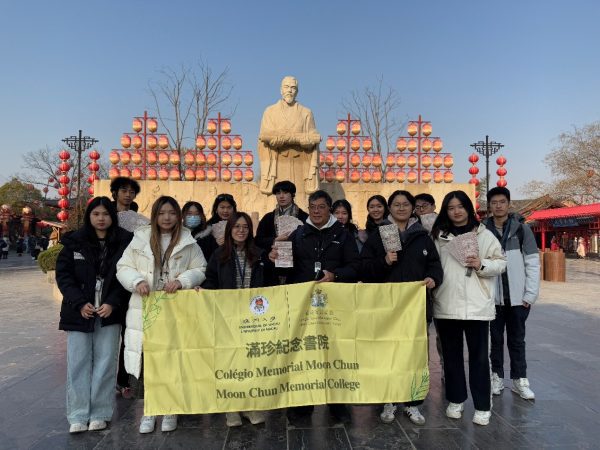
University of Macau Moon Chun Memorial College concluded an experiential learning exchange trip to Henan Province, China, held from 22 to 27 December 2025. Led by College Master Professor Kwok-Cheung Cheung and Resident Fellow Dr. Peggy Lau, 12 students dived in an immersion journey into the cultural heartland of China.
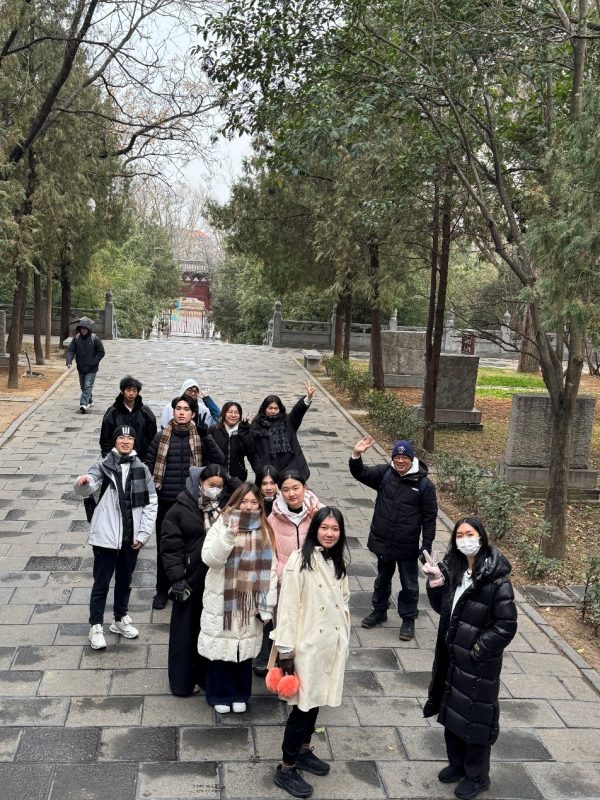
The History of Henan is Half the History of China
This cultural study program was designed as a rigorous academic field experience, emphasizing “learning through participation and reflection.” Adopting an interdisciplinary perspective that integrates history, philosophy, religion, architecture, and art, the project sought to foster a holistic understanding of the Chinese history and culture through systematic on-site investigations across three core dimensions.
I. The Cultural Heritage of the Central Plains Civilization
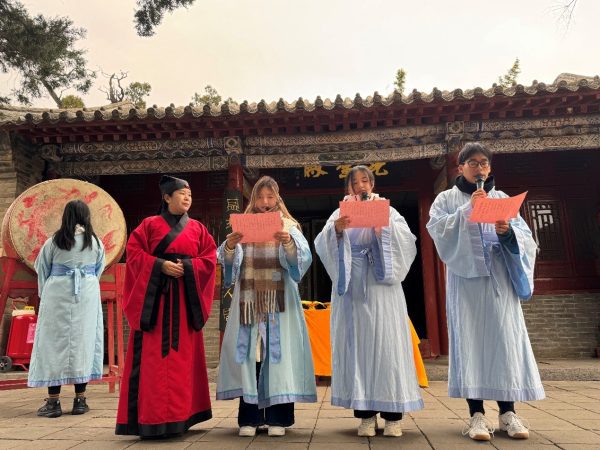
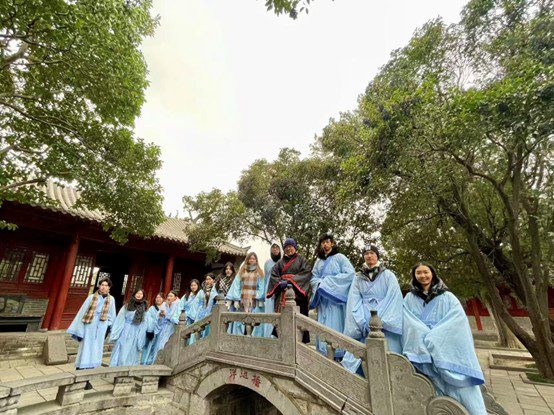
The group systematically examined representative relics from various periods of the Central Plains civilization, following a historical sequence. The journey began at the Songyang Academy, one of the Four Great Academies of the Song Dynasty, where students participated in a traditional “Worship of Confucius” ceremony. Its intact lecture halls and sacrificial system vividly demonstrate the institutional form of ancient Chinese Confucian education.
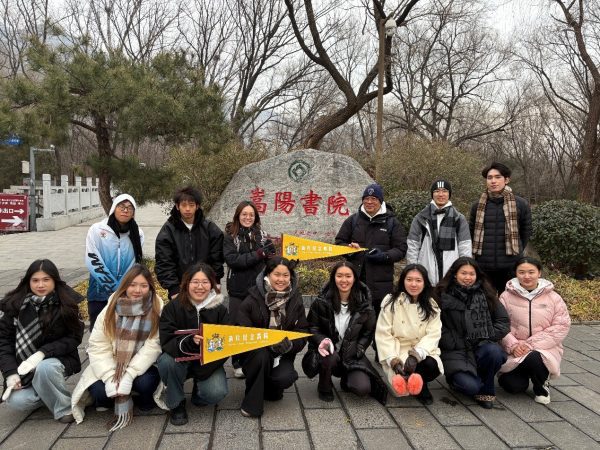
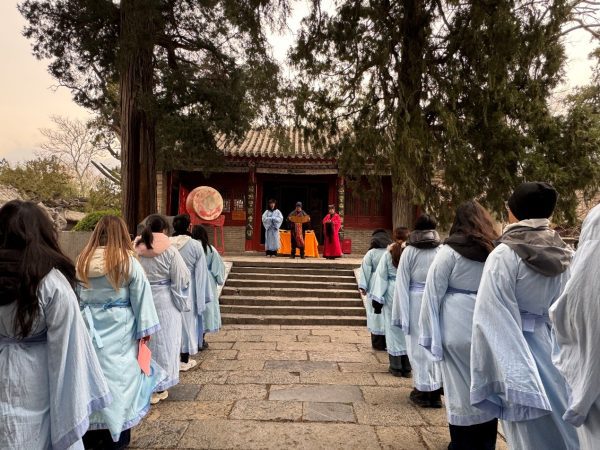
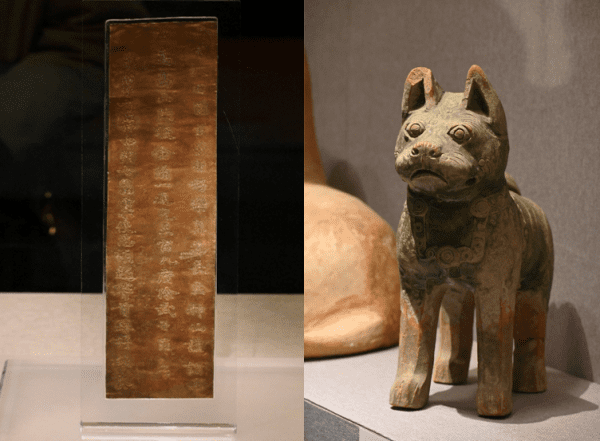
Subsequently, at the Yinxu Museum, through oracle bone inscriptions and bronze ritual vessels, researchers reconstructed the social structure and belief systems of the late Shang Dynasty.
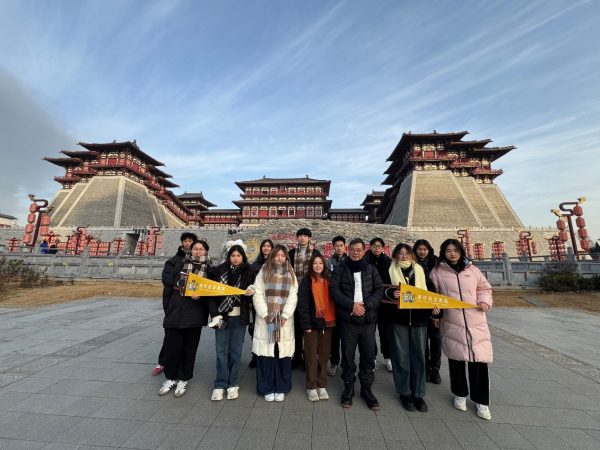
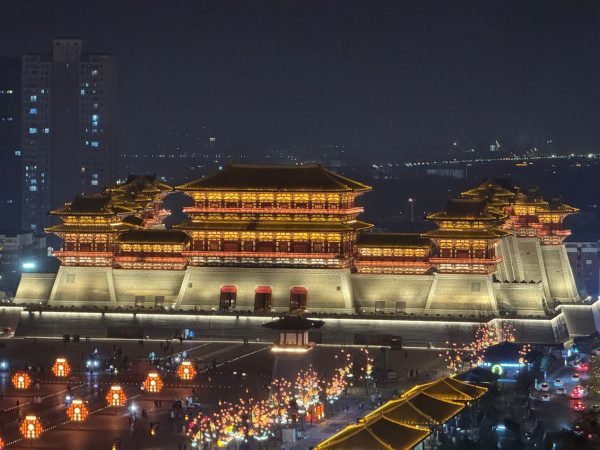
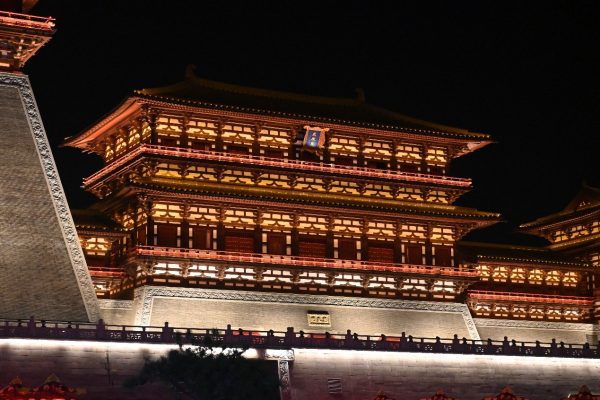
The Luoyang Yingtianmen Gate Site, with its spatial layout and ritual regulations of the Sui and Tang dynasties’ capital architecture, reveals the political philosophy embedded in ancient Chinese urban planning.
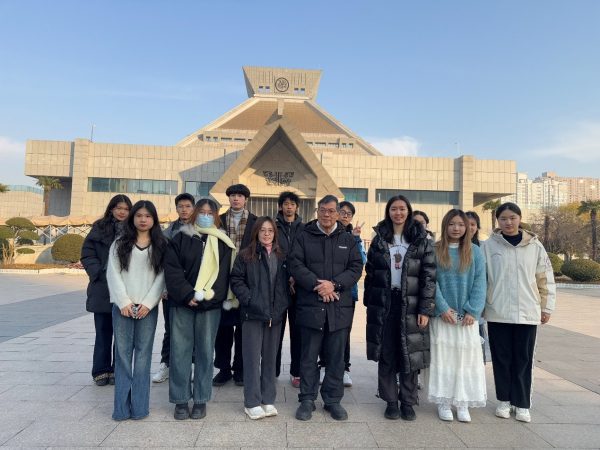
The systematic collections of the Henan Museum and the Luoyang Museum provided researchers with a complete chain of evidence for the development of material culture in the Central Plains region from the Neolithic Age to the Ming and Qing dynasties.
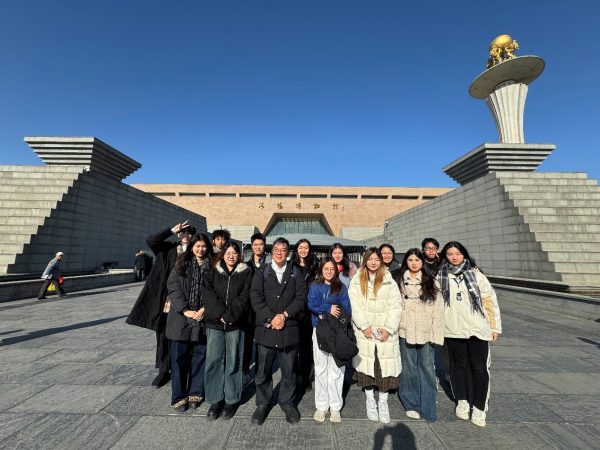
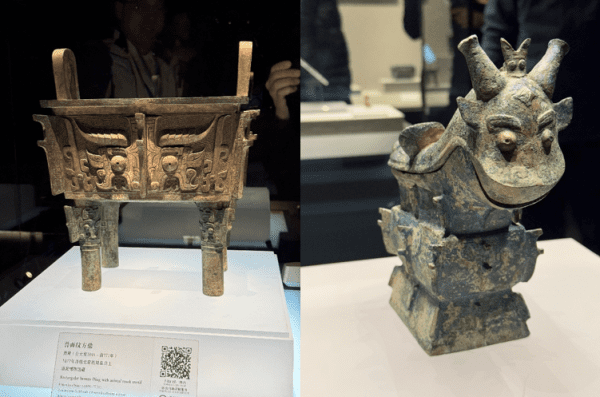
These sites collectively form a multidimensional civilizational research framework encompassing intellectual systems, text creation, and institutional development.
II. The Historical Trajectory of Buddhism in China
On the level of religious culture, the group focused on the localization of Buddhism. As the symbol of Buddhism’s formal introduction to China, the architectural layout and statue style of the White Horse Temple represent the initial fusion of Indian Buddhist art with Central Plains aesthetics.
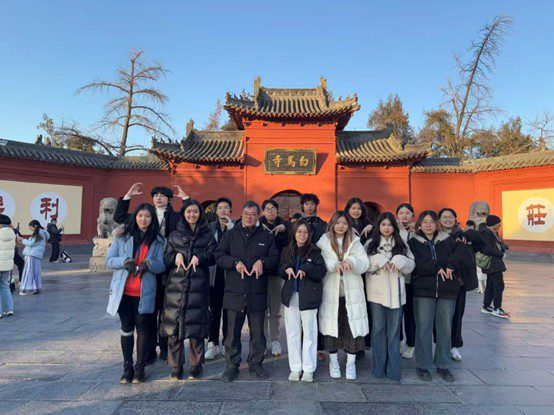
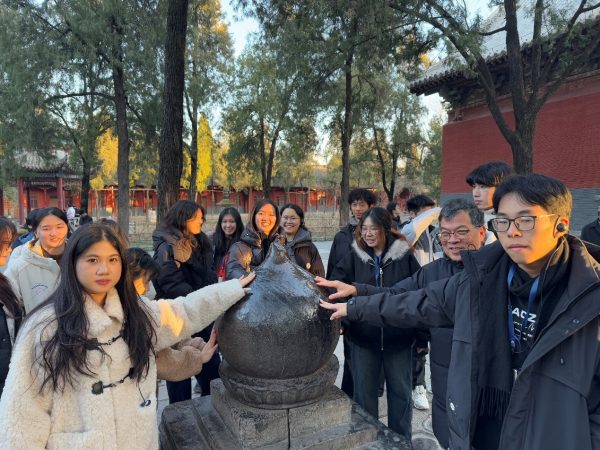
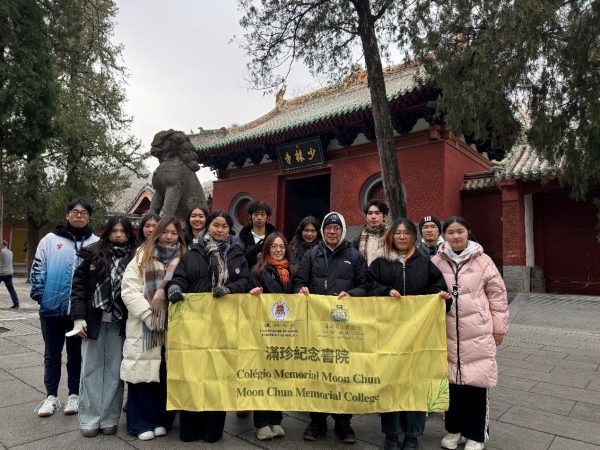
The Shaolin Temple demonstrates the deep integration of Buddhist thought with indigenous Chinese practical systems such as martial arts and medicine, reflecting innovation in religious practice through localization.
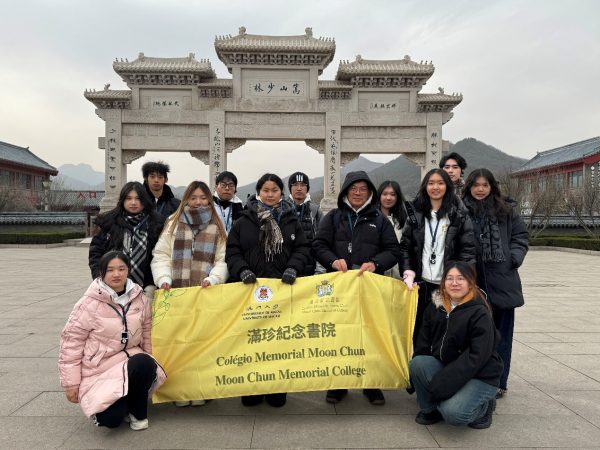
The Longmen Grottoes, a UNESCO World Heritage Site, with its statue sequences carved over centuries, provide a complete record of the localization process of Buddhist artistic style from the Northern Wei to the Tang Dynasty. The harmonious and full aesthetic characteristics displayed by the Tang statues, in particular, mark a significant sign of Buddhist art’s complete integration into the Chinese cultural system.
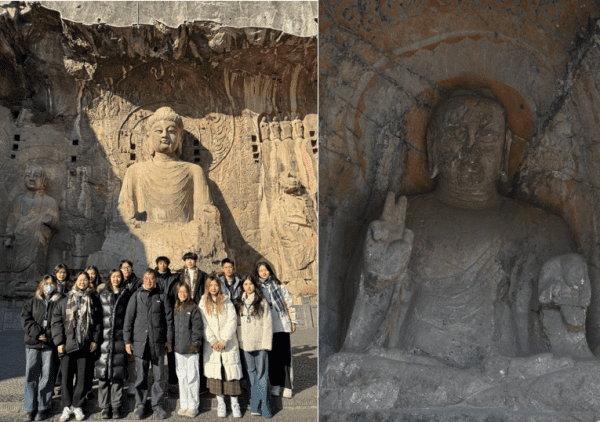
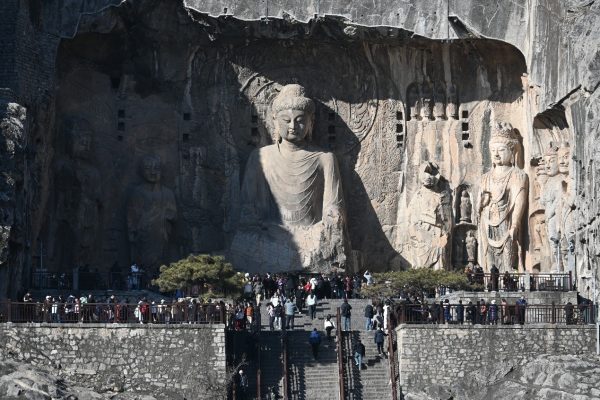
These religious relics together construct a complete historical trajectory of Buddhism’s dissemination, adaptation, and innovation in China.
III. The Cultural Expression of Daoist Thought
The group also focused on the concrete manifestations of Daoist thought in spatial construction and life practice. The Qingming Riverside Landscape Garden, a spatial reconstruction based on the painting Along the River During the Qingming Festival, not only recreates the urban landscape of Bianjing in the Song Dynasty but also, on a deeper level, showcases the permeation and influence of the Daoist view of nature in secular social life.
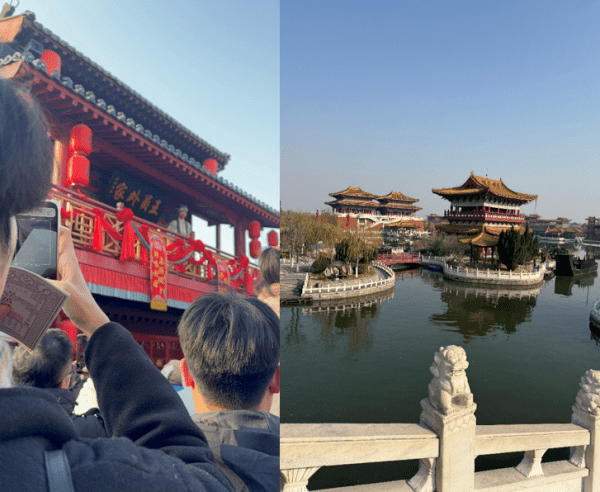
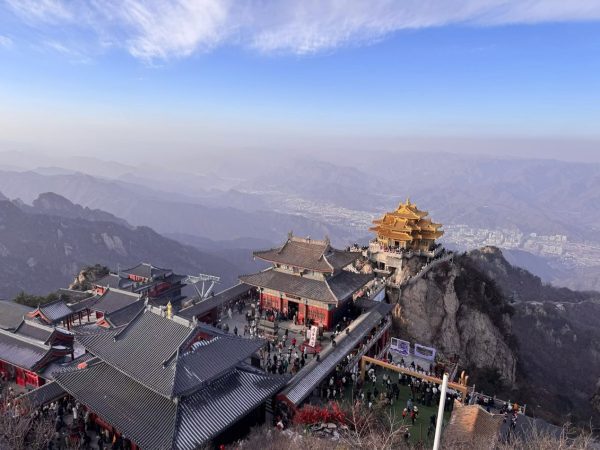
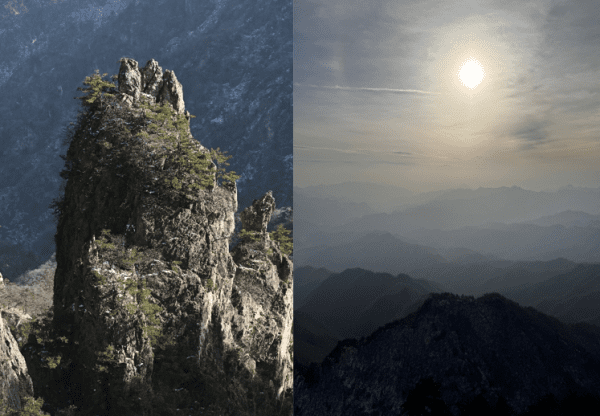
Mount Laojun, as a sacred Daoist site, perfectly embodies the philosophy of “Dao following nature” in its spatial design, through the organic integration of its temple architecture with the natural mountain topography.
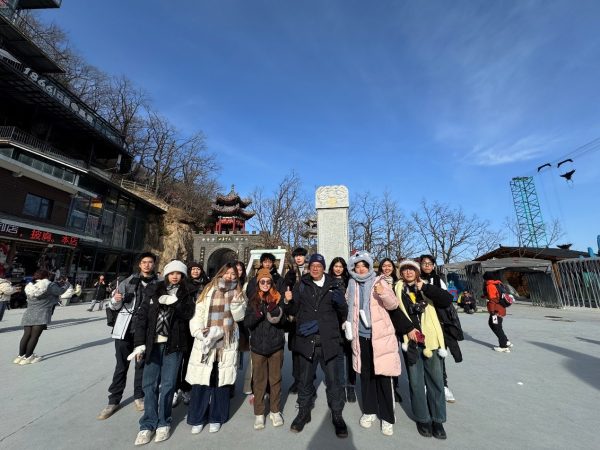
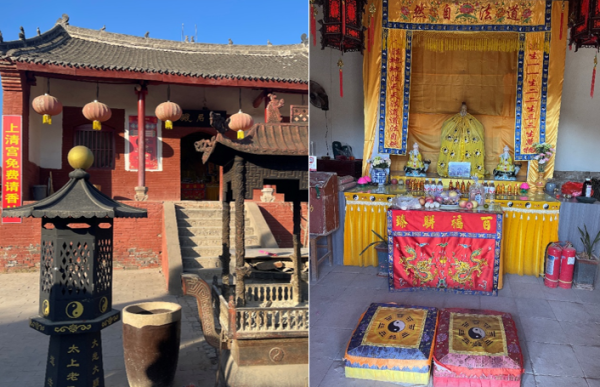
The group also visited the Shangqing Palace, a Taoist ancestral temple that serves as an important historical testament to the development of Chinese Taoism and the culture of imperial worship.
These sites demonstrate the diverse expressions and practical paths of Daoist thought in Chinese culture from the dimensions of secular life and religious practice, respectively.
As part of the program’s scholarly framework, students conducted group research on assigned topics before the trip and prepared a post-trip presentation for the college community. This initiative underscores MCM College’s commitment to advancing cultural literacy and critical insight through immersive, first-hand academic experiences, truly realizing the goal of “understanding the weight of Chinese history and heritage through travel.”
澳門大學滿珍紀念書院已於2025年12月22日至27日圓滿完成中國河南省的體驗式學習交流活動。在書院院長張國祥教授及駐院導師劉沛棋博士的帶領下,十二名學生深入中國文化核心地帶,展開了一場沉浸式文化探索之旅。
「一部河南史,半部中國史」
本次文化研習項目旨在透過嚴謹的學術田野實踐,貫徹「在參與與反思中學習」的理念。項目採跨學科視角,融匯歷史、哲學、宗教、建築與藝術等領域,透過以下三個核心維度,促進學生對中華文化脈絡的整全理解:
一、中原文明的文化傳承
考察團隊以歷史序列為脈絡,系統考察了中原文明不同時期的典型遺存。團隊首先探訪宋代四大書院之一的嵩陽書院,並在那舉行了「拜孔禮」,其完整的講學空間與祭祀體系生動展現了中國古代儒學教育的制度形態。
隨後在殷墟博物館,透過甲骨文獻與青銅禮器的物質證據,考察者得以重建商代晚期的社會結構與信仰體系。
在洛陽應天門遺址,隋唐都城建築的空間格局與禮制規制,揭示了古代中國都城規劃中蘊含的政治哲學。
河南省博物院與洛陽博物館的系統性收藏,則為研究者提供了從新石器時代至明清時期中原地區物質文化發展的完整證據鏈。
這些考察點共同構成了一個從思想體系、文字創造到制度建設的多維度文明研究框架。
二、佛教中國化的歷史軌跡
在宗教文化層面,考察團隊聚焦於佛教本土化的關鍵節點。作為佛教正式傳入中土的標誌,白馬寺的建築佈局與造像風格呈現出印度佛教藝術與中原審美的最初融合。
禪宗祖庭少林寺則展示了佛教思想與中國傳統武術、醫學等實踐體系的深度結合,體現了宗教實踐的本土化創新。
龍門石窟作為世界文化遺產,其歷經數百年開鑿的造像序列,完整記錄了從北魏至唐代佛教藝術風格的中國化演變過程,特別是唐代造像所展現的圓融飽滿的審美特質,成為佛教藝術完全融入中國文化體系的重要標誌。
這些宗教遺存共同構建了佛教從傳播、適應到創新的完整歷史軌跡。
三、道家思想的文化表達
考察團隊同時關注道家思想在空間建構與生活實踐中的具體呈現。清明上河園以《清明上河圖》為藍本的空間再造,不僅重現了宋代汴京的市井風貌,更深層次地展現了道家自然觀在世俗社會生活中的滲透與影響。
老君山作為道教聖地,其宮觀建築與自然山勢的有機融合,完美體現了「道法自然」的哲學理念在空間營造中的實踐。
團隊也到訪上清宮這座道教祖庭,見證了中國道教發展與皇家祭祀文化的重要歷史遺存。
這些考察點分別從世俗生活與宗教修行兩個維度,展示了道家思想在中國文化中的多元表達方式與實踐路徑。
是次活動充分體現滿珍紀念書院致力透過沉浸式、第一手的學術體驗,提升學生的文化素養與批判思維。參與學生將在返校後系統整理考察資料,完成學術報告並向書院師生匯報研究成果,真正實現「在行走中讀懂中國歷史的厚重與文化精神的傳承」。
『衷心感謝書院與老師們精心組織的此河南研學之旅。身為來自澳門的學生,這次中原之行對我而言,是一次深刻的文化溯源與視角融合。從南海之濱到中原腹地,我以澳門的多元視角,重新凝視華夏文明的厚重根基。兩地差異恰成為理解的起點——在對照中,我不僅更清晰地看見了中華文化的源流主幹,也更生動地感受到其在歷史長河中兼收並蓄、生生不息的生命力。
行程中,嵩陽書院的莊重禮制、殷墟甲骨的神秘符號、龍門大佛的永恆微笑……每個現場都讓書本知識變得立體可感。此行真正實踐了「讀萬卷書,行萬里路」,使我切身感受到中華文明強大的包容性與連續性。各種文化在此碰撞融合,最終凝結為多元一體的文化共同體。
對我而言——這不僅是一次知識積累,更是精神的洗禮。它讓我深刻體會到,只有深入了解腳下土地的歷史脈絡,才能真正認識自己、明確未來的方向。此次研學所得,必將成為我未來成長中寶貴的根基與啟蒙。』— 譚睿璇
『中華文化源遠流長,五千年的歷史深深地吸引著我,從而加入到這次研學之旅。還記得初中時歷史課對商代的歷史寥寥數筆帶過,而這次研學我們能到安陽的殷墟博物館參觀,為我們揭開了商代的神秘面紗。在研學之旅的過程中,還參觀了各式各樣關於道教、佛教的景點,令我獲益良多。關於中華文化的偉大,許多書上所述、網上所見的,都能在河南這塊寶地親身見識和感悟,收穫更豐;正如古人所說:「紙上得來終覺淺,絕知此事要躬行。」』— 曾皓洋
「這次河南之旅是一次非常難忘且開心的旅程。我們是負責中原文化的小組,在旅行開始之前,我們就已經提前在網上做了一些功課,對於嵩陽書院,殷墟博物館以及河南博物院都有了一些基本的了解,但當我們真正走進他們,才發現在網上學到的了解到的只是冰山一角。我們去體驗了嵩陽書院的拜學禮,聽導遊為我們講解各式各樣的文物,與他們近距離接觸,簡直是視覺與聽覺的歷史穿越旅程,邊學邊玩,收穫頗豐。」— 鄧惠嶸