CCE and HKU SPACE co-organized a training course on Youth Inspiration under “One Country, Two Systems” for Chinese Mainland University Students
澳大持續進修中心與香港大學專業進修學院合作為内地大學生舉辦一國兩制下的青年啓示專題培訓班
澳大持續進修中心與香港大學專業進修學院合作為内地大學生舉辦一國兩制下的青年啓示專題培訓班
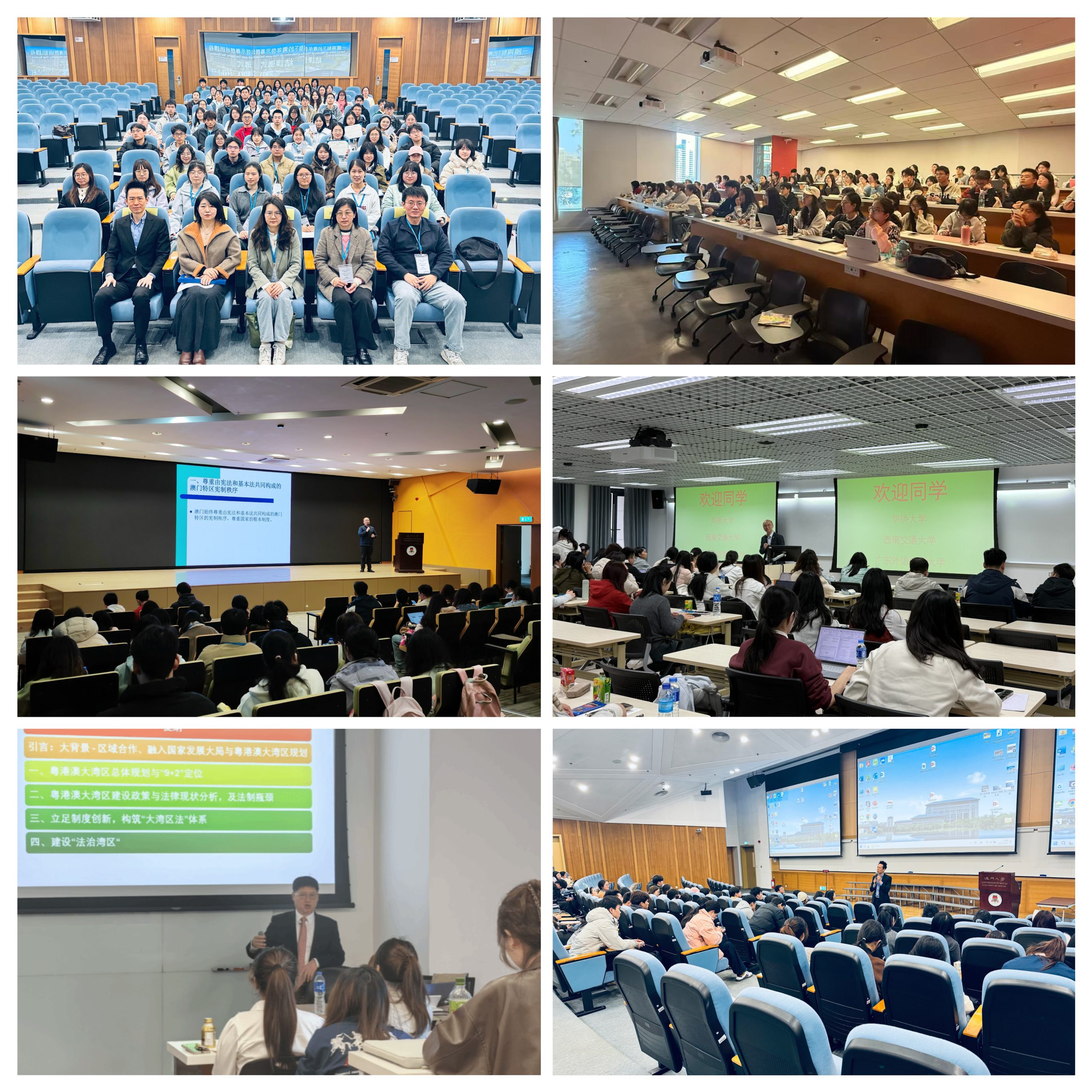
澳門大學持續進修中心於2026年1月19日至22日期間,與香港大學專業進修學院合作,為內地大學生在香港及澳門兩地成功舉辦“一國兩制下的青年啓示專題培訓課程”,共有73位學生參加,來自西南交通大學、華僑大學和廣東外語外貿大學馬克思主義學院。
為期4天的培訓班行程充實緊凑,同學們先後赴香港大學及澳門大學參加了四場專題講座,均由資深專家學者親自授課。講座主題涵蓋:“一國兩制下的香港治理:成就與挑戰”、“粵港澳大灣區規劃下的區域協同發展機制”、“大灣區建設中的青年機遇與責任擔當”和“澳門一國兩制實踐的特色與經驗”。 在最後的小組匯報環節中,同學們深入探討了“一國兩制”的融合發展、制度特色及面臨的挑戰。討論案例包括港珠澳大橋如何促進三地交通互聯、澳門如何利用歷史優勢與行業特色打造博彩經濟,以及對香港社會經濟壓力與修例風波的反思等。澳門大學持續進修中心主任劉丁己教授在結業儀式上總結指出,粵港澳三地在產業結構、人口構成及發展現狀上各具特色,近年隨著人工智能、中醫藥及數字金融産業的興起,專業人才需求迫切,粵港澳大灣區的深度融合已是勢不可擋的時代趨勢。
本次培訓活動再次與香港大學專業進修學院合作,透過跨城市學術交流,持續推動粵港澳大灣區聯動的持續進修教育合作新模式的發展。
CCE and HKU SPACE co-organized a training course on Youth Inspiration under “One Country, Two Systems” for Chinese Mainland University Students
The Centre for Continuing Education (CCE) of the University of Macau (UM), in collaboration with the HKU School of Professional and Continuing Education (HKU SPACE), hosted a “Training Course on Youth Inspiration under“ One Country, Two Systems” for 73 Chinese mainland university students in Hong Kong and Macao from January 19 to 22, 2026. The students were primarily from Southwest Jiaotong University, Huaqiao University, and the School of Marxism at Guangdong University of Foreign Studies.
The four-day program featured a compact schedule with a series of specialized lectures delivered by senior experts and scholars. Students attended four lectures at HKU and UM, covering topics such as “Hong Kong Governance under ‘One Country, Two Systems’: Achievements and Challenges”, “Regional Collaborative Development Mechanisms under the Guangdong-Hong Kong-Macao Greater Bay Area Plan”, “Youth Opportunities and Responsibilities in the Construction of the Greater Bay Area” and “Characteristics and Experiences of the Practice of ‘One Country, Two Systems’ in Macao”. In the final group presentation session, students delved into the integrated development, institutional characteristics, and challenges of “One Country, Two Systems.” Discussions included case studies on how the Hong Kong-Zhuhai-Macao Bridge facilitates transportation connectivity among the three regions, how Macao leverages its historical advantages and industrial characteristics to shape its gaming economy, and reflections on Hong Kong’s socio-economic pressures and the legislative amendment controversy.
Prof. Matthew LIU, Director of CCE, summarized at the closing ceremony that Guangdong, Hong Kong, and Macao each possess unique characteristics in terms of industrial structure, population composition, and development status. He noted that with the emergence of various new industries in recent years, such as the rise of AI, traditional Chinese medicine and digital finance, there is an urgent need for professional talent, and the deep integration of the Guangdong-Hong Kong-Macao Greater Bay Area is an unstoppable trend.
This training program marks another collaboration with HKU SPACE. Through cross-city academic exchange, CCE aims to continuously promote the development of a new model of continuing education cooperation in the Guangdong-Hong Kong-Macao Greater Bay Area.