Celebrating the 45th Anniversary of the University of Macau: CKYC Students Participate in Intercollegiate Residential College Exchange Programme in Shanghai
慶祝澳門大學45周年校慶: 蔡繼有書院學生赴上海參與「2026城市與文化發展」四地書院交流活動
四月申城,春和景明。 4月3日至4月7日,「2026城市與文化發展-四地書院學生互訪交流活動(上海站)」順利舉行。澳門大學蔡繼有書院非駐院導師 Chanthika Pornpitakpan教授帶領十二位院生赴滬,與華東師範大學孟憲承書院、西安交通大學崇實書院、北京航空航天大學馮如書院師生一道,圍繞“城市與文化發展”主題開展參訪交流。幾日行程中,同學們在行走中感知城市脈搏,在互動中深化書院情誼,促進了四地青年學子的深度交流與合作。
春風作序,笑語破冰
4月3日晚,開營儀式在華東師範大學孟憲承書院舉行,為這次交流活動揭開序幕。儀式現場,老師們回顧了四地書院交流活動八年來的延續與積累,並寄語同學們在此次行程中拓寬視野、收穫友誼。隨後的歡迎晚宴與破冰活動,讓初見的拘謹在笑聲中漸漸融化。在互動遊戲的歡樂氛圍中,來自不同地域與校園的同學們也逐漸熟絡。
漫步師大,浸潤文心
4月4日,四地學子走進華東師範大學普陀校區。從校訓石到夏雨島,從文史樓到思群堂,一處空間承載著一代代師者的理想與氣度。在麗娃河畔的春風裡,同學們感受華東師範大學 「求實創造,為人師表」的校訓精神,也在校史脈絡中體會大學文化薪火相傳的力量。
中午,同學們與國際學生圍坐一堂,共做青團。艾草清香輕輕浮動,麵團在掌心間被揉出春天的形狀,也讓這段春日時光多了幾分溫暖與親近。
下午,師生們前往宛平劇院,繼續走近傳統戲曲藝術。透過“行走的劇院”,同學們在水袖翻飛之間感知東方美學的韻致,在國潮手工藝之中領略傳統文化的生動。那些原本停留在書頁與舞台上的文化符號,因親身參與而變得更加可感可親,也讓傳統文化得以走近青年、走入當下。
滬上尋跡,海派留聲
4月5日,正值清明時節,四地學子踏上「滬上漫步」的城市行程,在城市街巷間追尋歷史足跡。上午,大家走進思南一帶,在名人故居、紅色舊址之間,觸摸上海深厚的歷史紋路。街巷與建築靜靜佇立,保存著這座城市的歲月痕跡,也讓同學們更真切地體會到上海兼容並蓄、開放厚重的海派風格。
下午,師生們來到外灘。江風拂面,高樓與舊廈並立,百年建築與現代天際線相互映襯,共同勾勒出上海這座城市的繁榮氣象。站在江畔回望,近代以來中國與世界相遇、碰撞與重構的諸多印記,也彷彿都凝聚在這一江一岸之間。
五維探城,萬象入懷
4月6日,同學們圍繞著「文化之城」「生態之城」「開放之城」「科技之城」「煙火之城」五大主題,分組在上海進行主題式深度走訪。不同的觀察路徑,最終匯集成了更立體的城市印象:歷史與現實交織,開放與創新並行,摩登氣象與煙火溫度共存,也讓上海這座城市的風貌人文愈發鮮明。
結營話別,來日有期
4月7日,在結營儀式上,各小組圍繞所選主題進行成果展示。在同學們各具特色的敘述中,現場不時響起會心笑聲。不同的主題、不同的風格,讓整場分享既有思考的深度,也洋溢著青年學子特有的活力與朝氣。老師們結合幾天來的參訪與交流作總結點評,在回顧活動點滴的同時,也勉勵同學們將這段旅程的收穫延續到今後的學習與生活之中。
這幾日的上海之行,留在同學們記憶裡的,不只是街巷與江畔的滬上春景,不只是研究途中交流合作的點滴,更是一種理解城市與文化的方式。城市從來不只是樓宇與道路的疊加,它也是歷史與當下的對話,是科技與人文的共生,是開放氣象與市井煙火的交會。正是在這樣的行走與觀察中,同學們得以從更豐富的維度觸摸上海,更深刻地體會「城市與文化發展」這一主題的內涵。
而比風景與見聞更珍貴的,是同行之中悄悄生長的情誼。四地書院學子因交流而相聚,因真誠而相知,在互學互鑑中拓寬視野,在並肩同行中收穫成長。走到今天,四地書院交流活動已邁入第八年,一次次的相聚與重逢,不僅延續著書院教育的溫度,更讓跨地域青年交流的意義愈發清晰。願同學們帶著這段春日滬上的記憶繼續前行,也期待四地書院在未來的相會中,續寫更多關於城市、文化與青春的故事。
From 3 to 7 April 2026, the 2026 Intercollegiate Residential College Student Exchange Programme on “City and Cultural Development” (Shanghai Stop) was successfully held in Shanghai. Led by Prof. Chanthika Pornpitakpan, Non-resident fellow of Choi Kai Yau College (CKYC), University of Macau, a delegation of twelve CKYC students joined staff and students from Meng Xiancheng College of East China Normal University, Chongshi College of Xi’an Jiaotong University, and Fengru College of Beihang University in a series of exchange activities centred on the theme of city and cultural development.
Through campus visits, cultural experiences, thematic fieldwork, and group presentations, participants explored Shanghai from multiple perspectives, strengthened intercollegiate friendships, and gained deeper insight into the relationship between urban development and cultural heritage.
Opening Ceremony Marks the Beginning of the Exchange
The programme officially commenced on the evening of 3 April with an opening ceremony held at Meng Xiancheng College, East China Normal University. During the ceremony, faculty members reviewed the eight-year development of the intercollegiate residential college exchange programme and encouraged students to broaden their horizons, deepen mutual understanding, and build lasting friendships through this experience.
The welcome dinner and ice-breaking activities that followed created a warm and lively atmosphere, allowing students from the four institutions to become acquainted and begin their exchange in a spirit of openness and enthusiasm.
Campus Visit and Cultural Activities Enrich Students’ Understanding
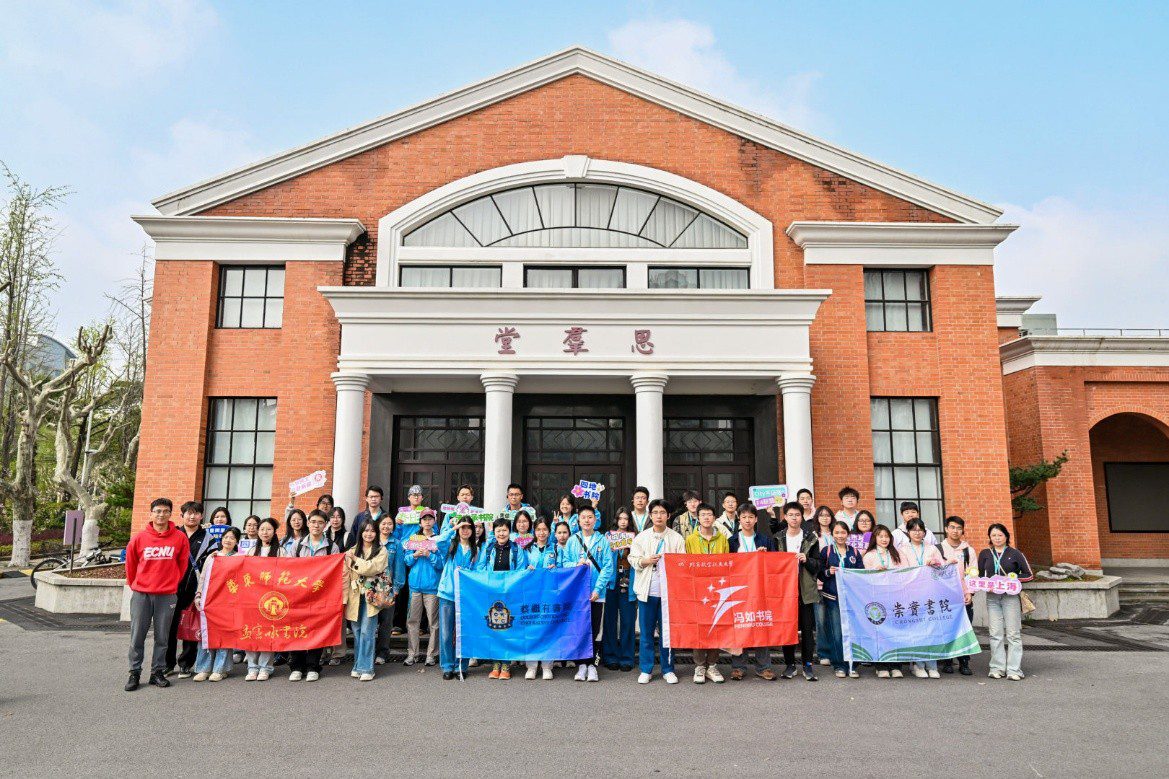
On 4 April, participants visited the Putuo Campus of East China Normal University. From the motto stone to Xiayu Island, and from the Wenshi Building to Siqun Hall, students gained a closer understanding of the university’s history, educational philosophy, and cultural traditions. Walking along the Liwa River, they also experienced the spirit embodied in the university motto, “Seek Truth, Foster Creativity, and Live Up to the Role of Teacher,” while reflecting on the enduring strength of university culture and intellectual heritage.
Later that day, students joined international students in making qingtuan, a traditional spring delicacy. The activity offered not only a hands-on cultural experience, but also an opportunity for friendly exchange in an informal setting.
In the afternoon, the group visited Wanping Theatre to learn more about traditional Chinese opera. Through the immersive “Walking Theatre” programme and related cultural activities, participants developed a richer appreciation of traditional Chinese performing arts and aesthetics. The experience enabled students to engage with cultural traditions in a vivid and accessible way, and to better appreciate their continued relevance in contemporary society.
Field Visits Highlight Shanghai’s Historical and Urban Character
On 5 April, students took part in a city walk through Shanghai to explore the city’s historical development and cultural character. In the morning, they visited the Sinan Road area, where former residences of prominent historical figures and important heritage sites offered insight into Shanghai’s rich historical legacy. Through these visits, students came to better understand the city’s distinctive Haipai culture, known for its openness, inclusiveness, and blending of Chinese and Western influences.
In the afternoon, the delegation visited the Bund. There, the contrast and harmony between historic buildings and the modern skyline provided a vivid illustration of Shanghai’s urban development. Standing along the Huangpu River, participants observed how history and modernity coexist in the cityscape and reflected on Shanghai’s role as a place where tradition and innovation continue to meet.
Thematic Exploration Offers a Multi-Dimensional View of the City
On 6 April, students carried out thematic field visits across Shanghai in groups, focusing on five dimensions of the city: culture, ecology, openness, technology, and everyday life. By following different routes and perspectives, participants developed a broader and more nuanced understanding of the city.
Their observations highlighted Shanghai as a place where historical depth and contemporary vitality coexist, where innovation advances alongside cultural continuity, and where metropolitan dynamism is balanced by the warmth of everyday urban life. The thematic exploration allowed students to engage more deeply with the programme topic and to appreciate the many layers of urban and cultural development.
Closing Presentations Showcase Reflection and Exchange
The programme concluded on 7 April with a closing ceremony, during which each group presented its findings and reflections based on the selected theme. The presentations demonstrated both thoughtful analysis and youthful creativity, reflecting the students’ active engagement throughout the programme.
Faculty members offered concluding remarks on the week’s activities and encouraged students to carry the insights, friendships, and inspiration gained from the exchange into their future studies and personal development.
Meaningful Exchange Fosters Growth and Friendship
This exchange programme in Shanghai enabled students not only to appreciate the city’s history, culture, and urban landscape, but also to reflect more deeply on the meaning of urban and cultural development. Through observation, participation, and dialogue, they came to understand that a city is not merely a physical space made up of buildings and roads, but also a living environment where history and the present interact, where technology and the humanities coexist, and where openness and everyday life are closely intertwined.
Equally important, the programme strengthened the bonds among students from the four residential colleges. Through mutual learning, sincere exchange, and shared experiences, participants broadened their perspectives and grew together.
Now in its eighth year, the intercollegiate residential college exchange programme continues to demonstrate the educational value of residential college collaboration and the importance of cross-regional youth exchange. It is hoped that students will carry forward the memories and insights of this spring journey in Shanghai and continue to contribute to future stories of cities, culture, and youth.
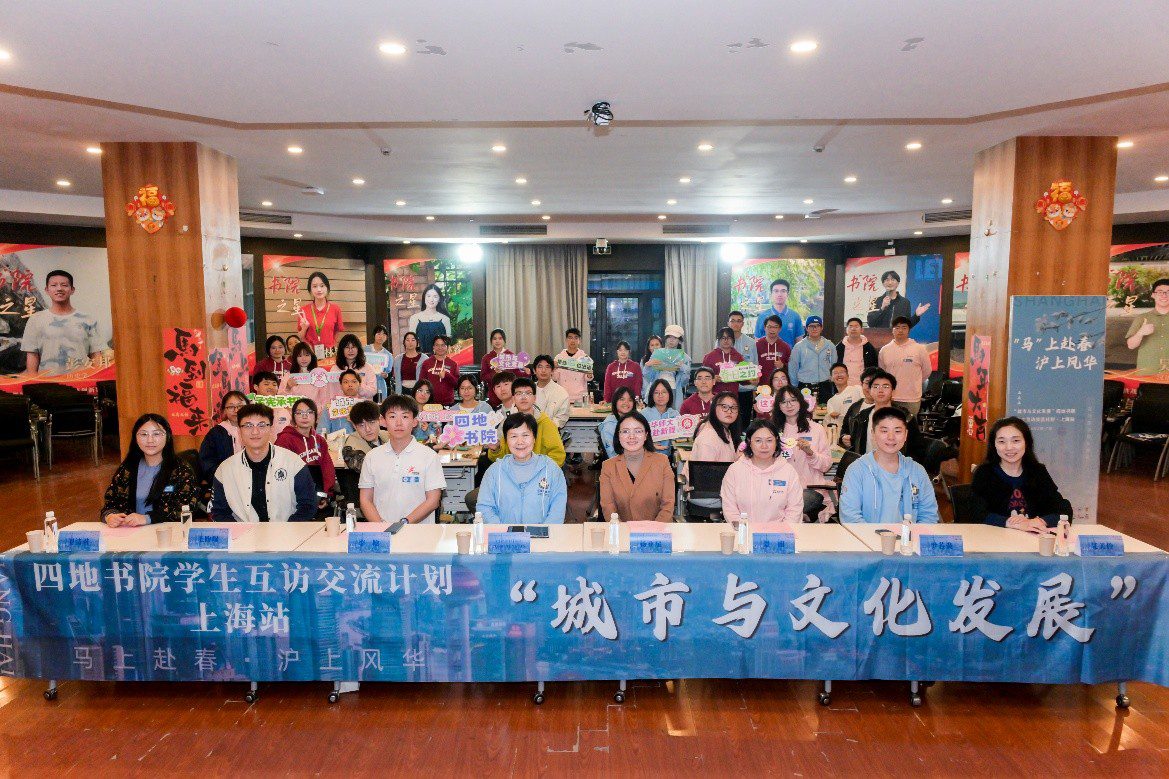
Group Photo from the Opening Ceremony
開營儀式合影
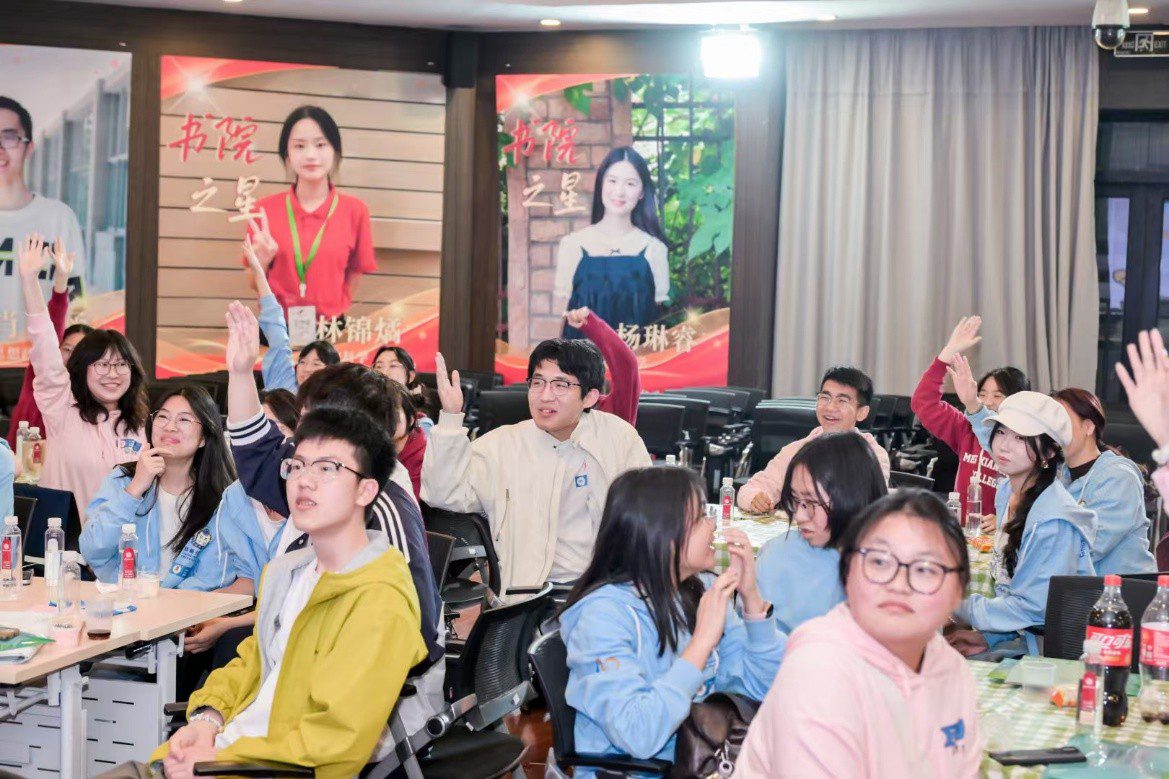
Ice-breaking Activities for Students from Four Residential Colleges
四書院同學破冰
Visit to the East China Normal University History Museum
參訪華東師範大學校史館
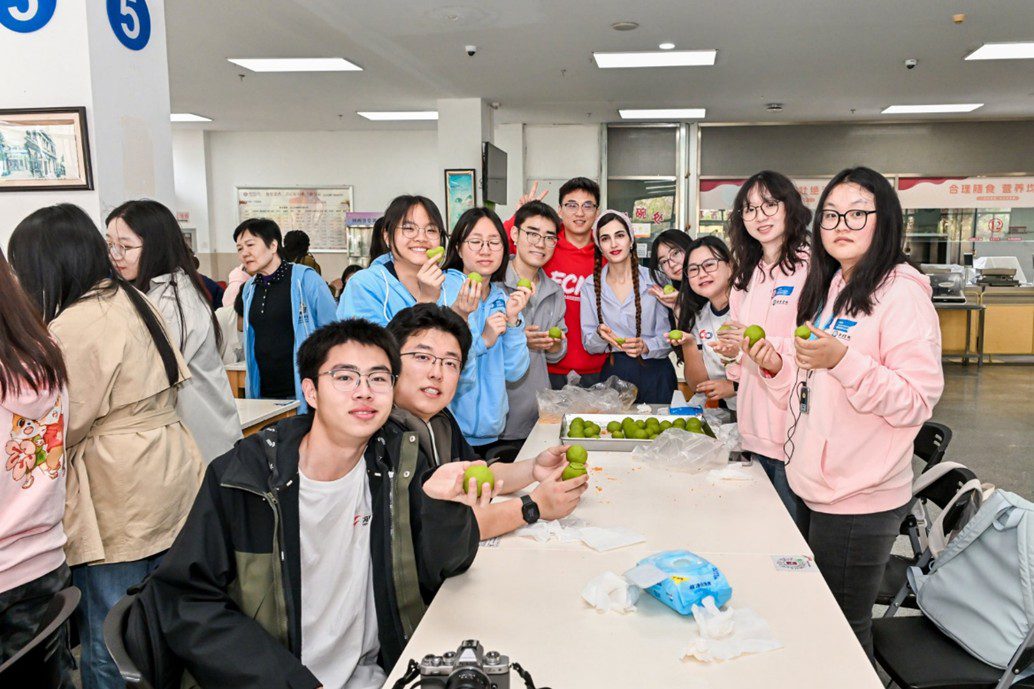
Qingtuan Workshop with International Students from the East China Normal University
與華師大國際生共包青團
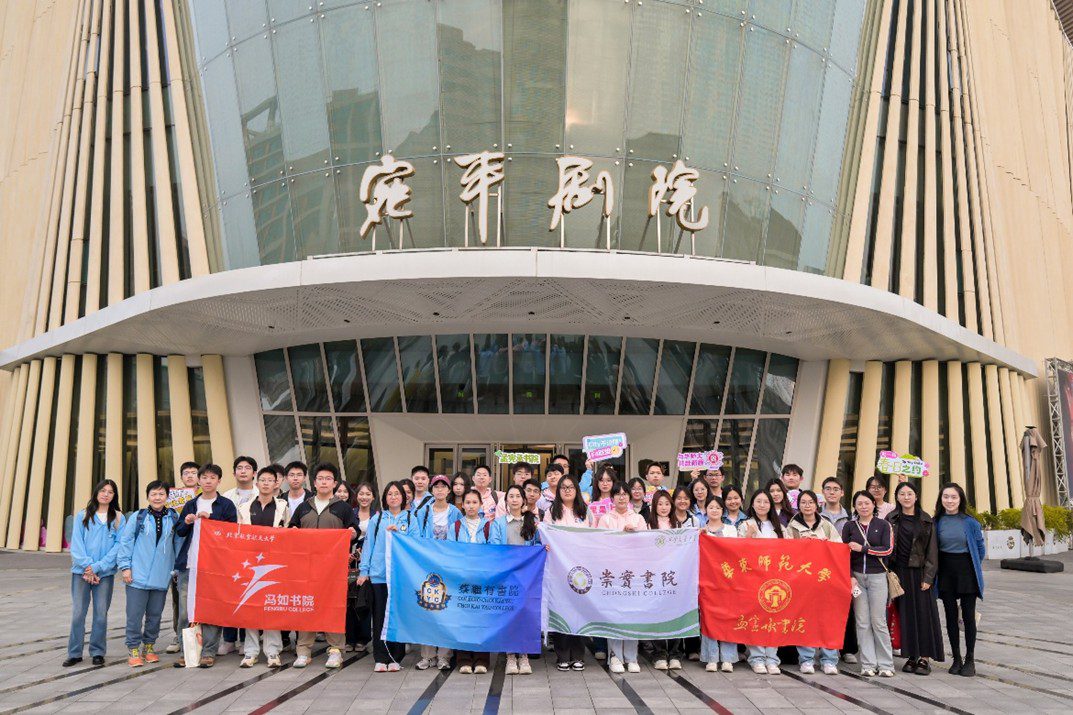
Visit to the Wanping Theater
四地書院參觀宛平劇院
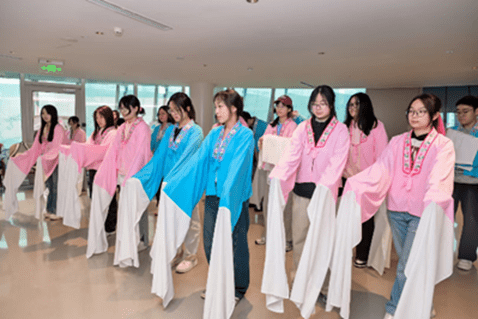
Traditional Chinese Opera Water Sleeve Dance Experience
傳統戲曲水袖技藝體驗
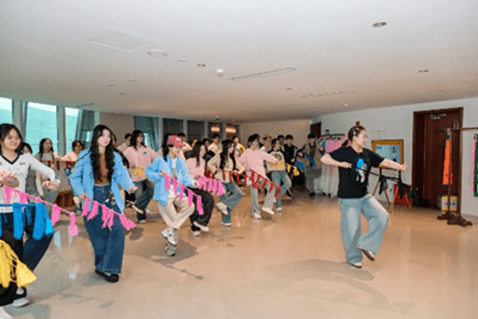
Traditional Chinese Opera Water Sleeve Dance Experience
傳統戲曲水袖技藝體驗
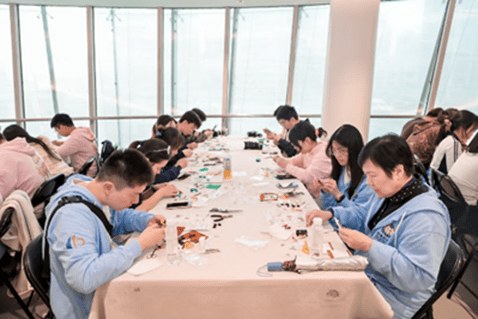
Chinese Chic Handicraft Workshop
國潮手作體驗
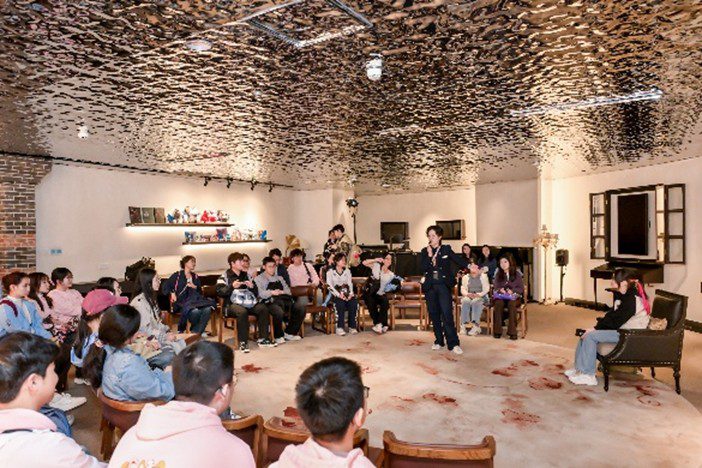
Immersive “Walking Theater” Program
沉浸式戲劇互動體驗
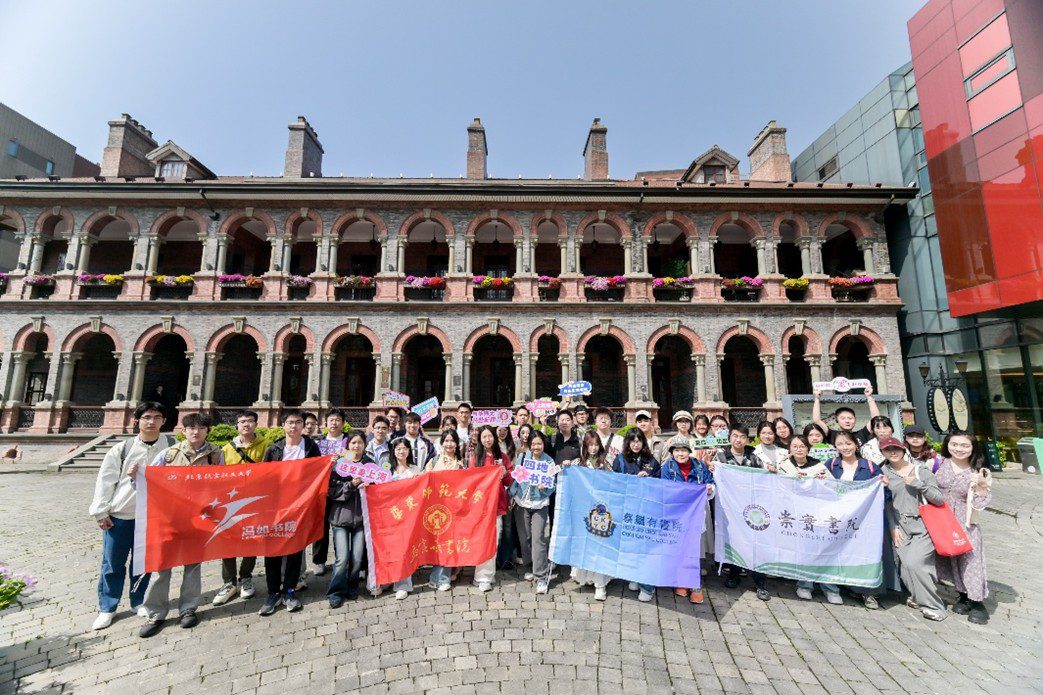
Visit to the Sinan Mansions
參觀思南公館
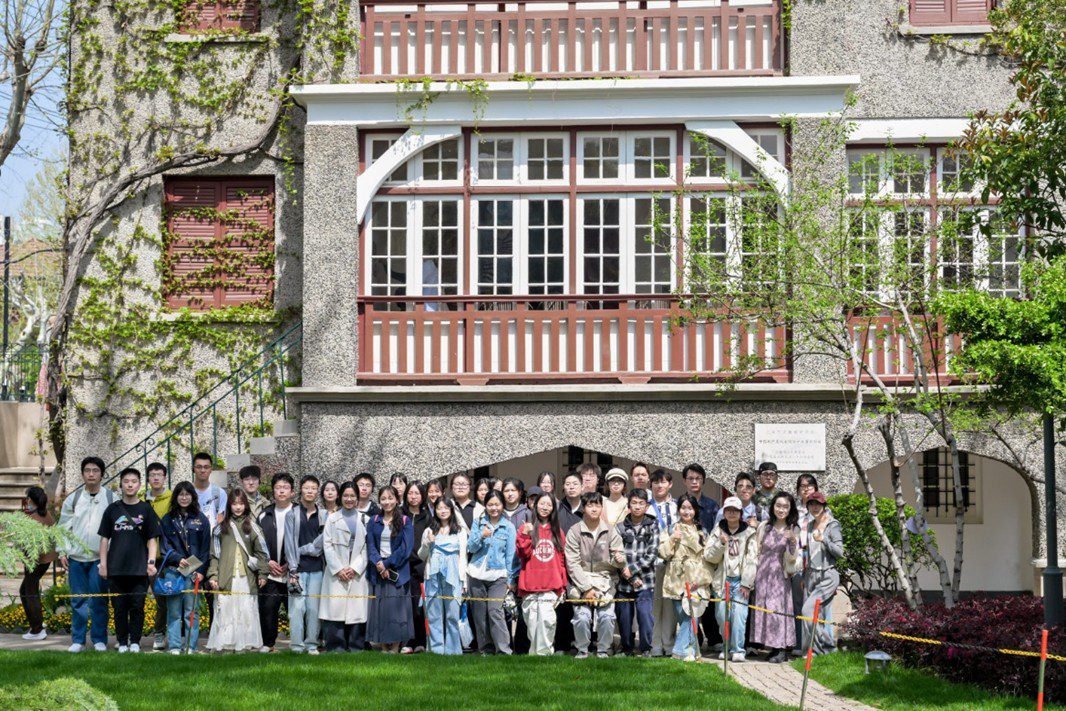
Visit to the Zhou Enlai’s Residence
參觀周公館
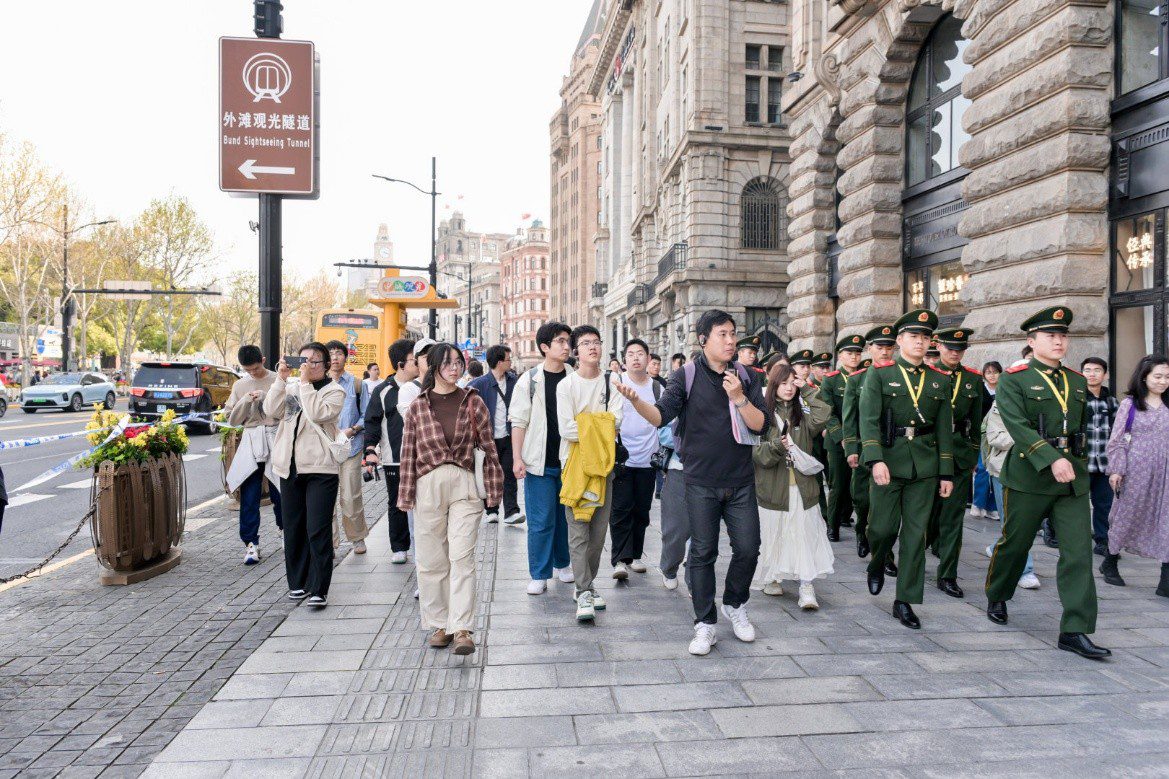
Visit to the Bund
參觀上海外灘
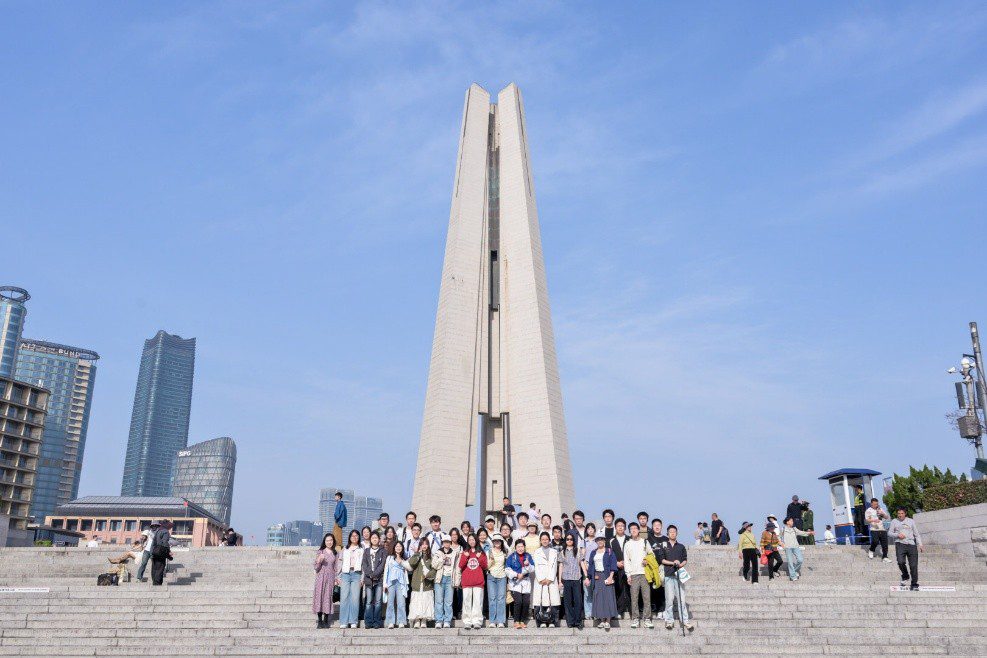
Group Photo in front of People’s Heroes Memorial Tower on the Bund
上海外灘人民英雄紀念塔前合影留念
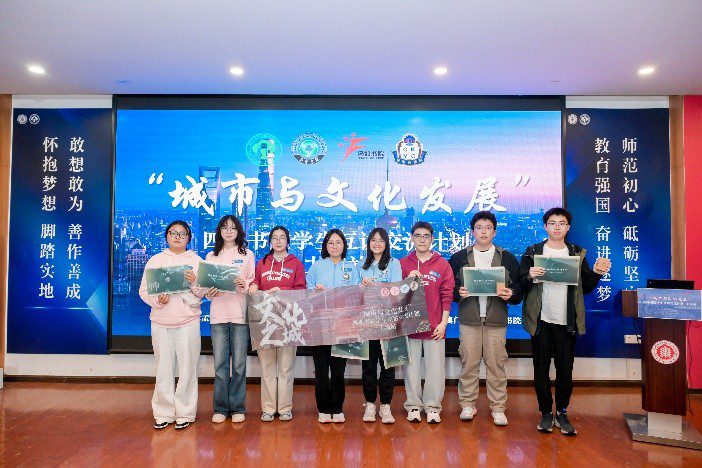
“City of Culture” Group
「文化之城」小組
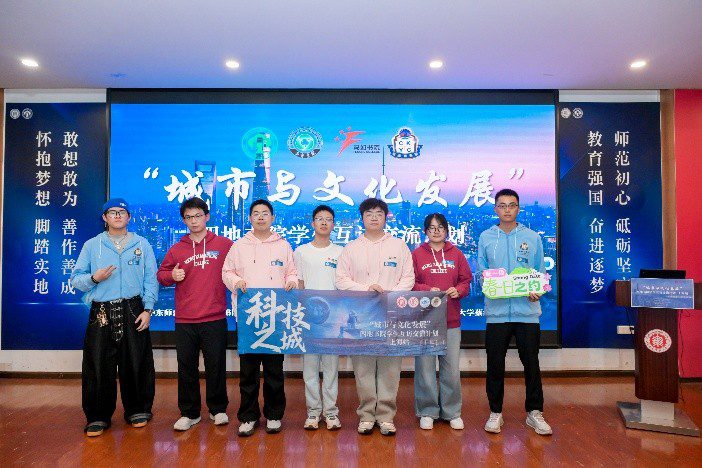
“City of Technology” Group
「科技之城」小組
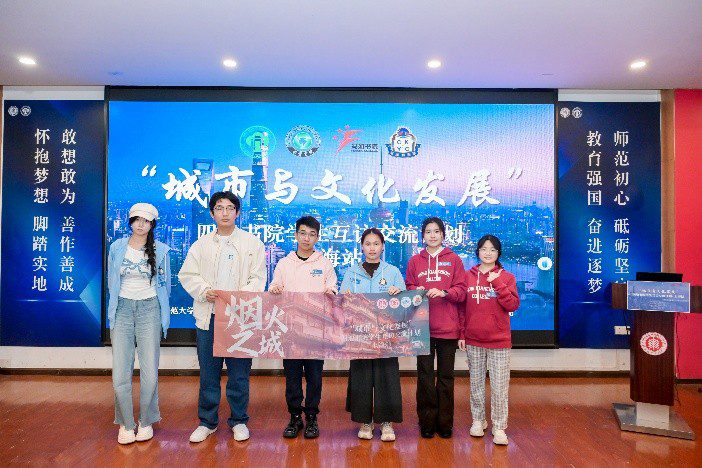
“City of Everyday Life” Group
「煙火之城」小組
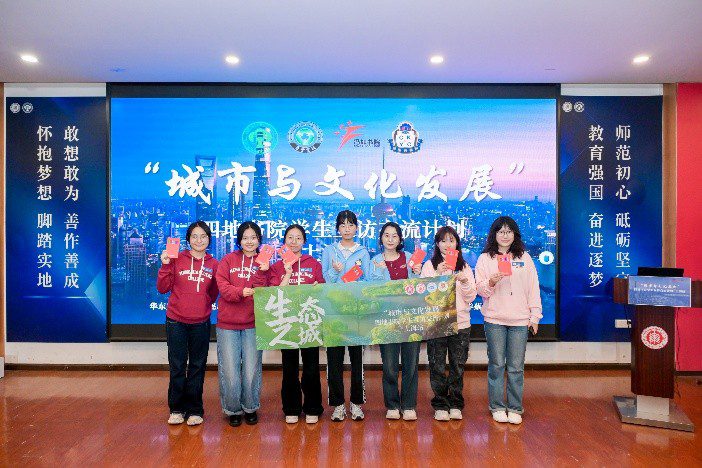
“City of Ecology” Group
「生態之城」小組
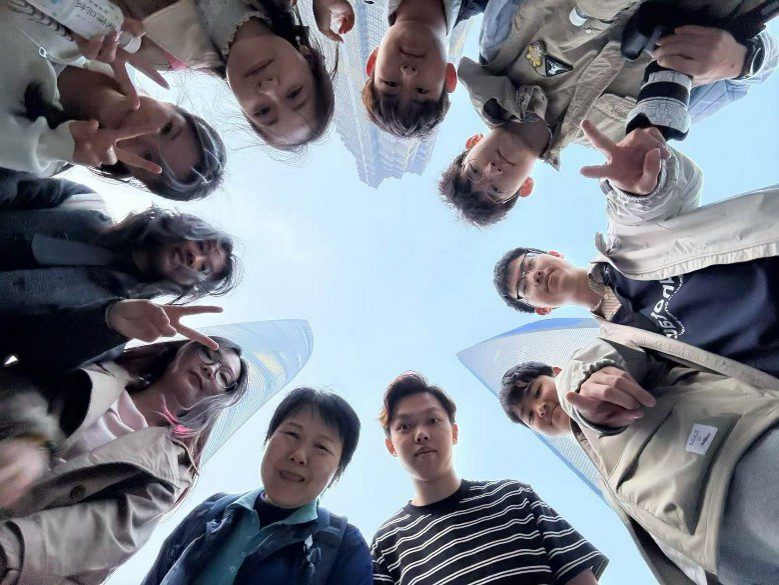
“City of Openness” Group
「開放之城」小組
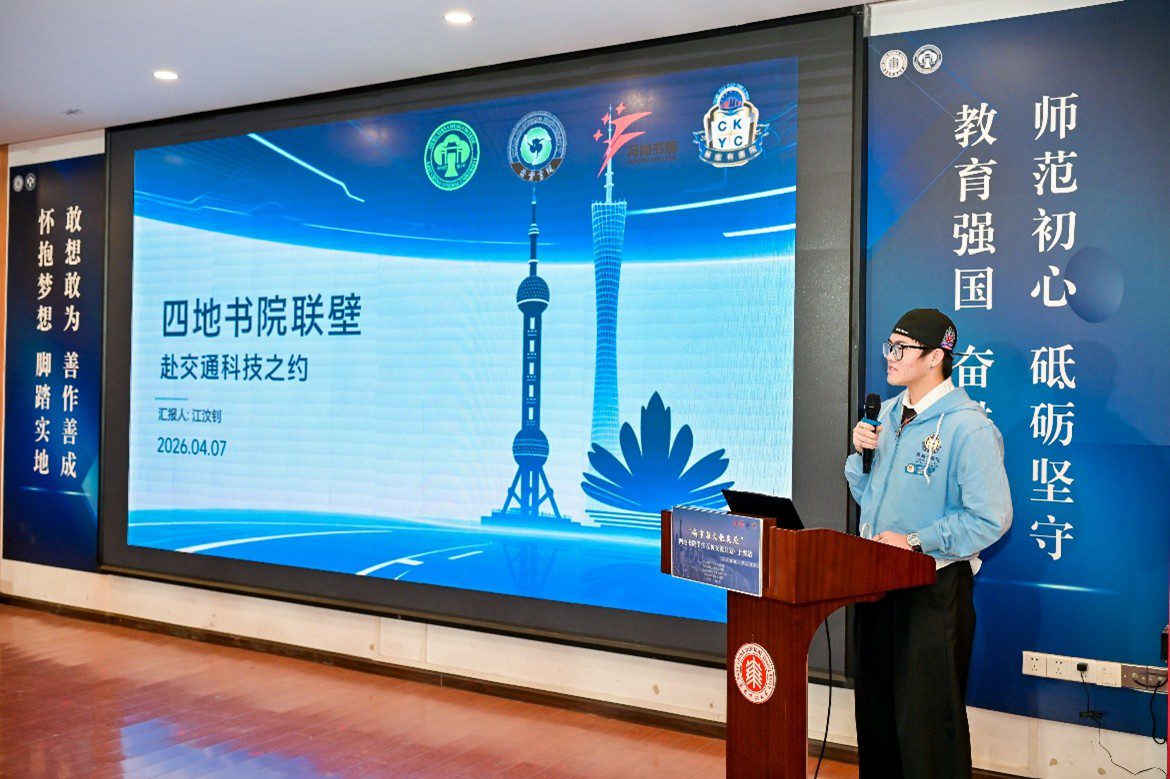
Student from Choi Kai Yau College shared his insights
蔡繼有書院同學分享心得
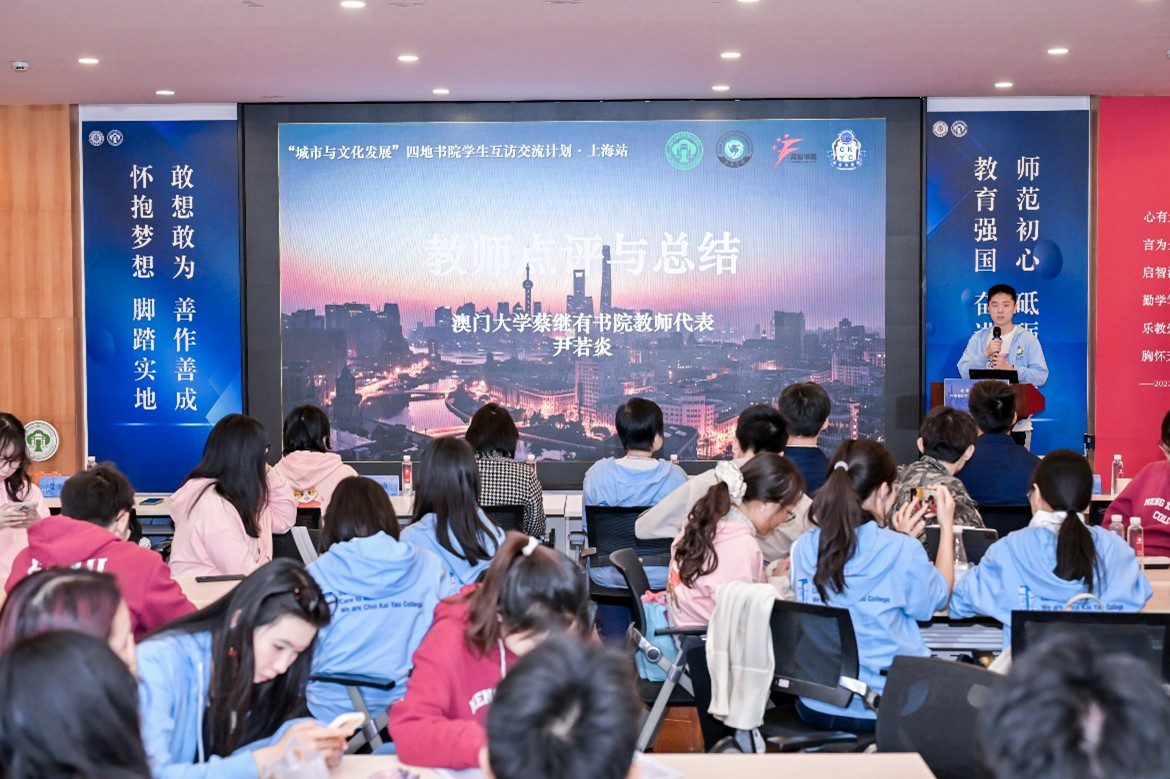
Yin Ruoyan, Resident Tutor at Choi Kai Yau College, delivered the concluding remarks
蔡繼有書院助教尹若炎做總結點評
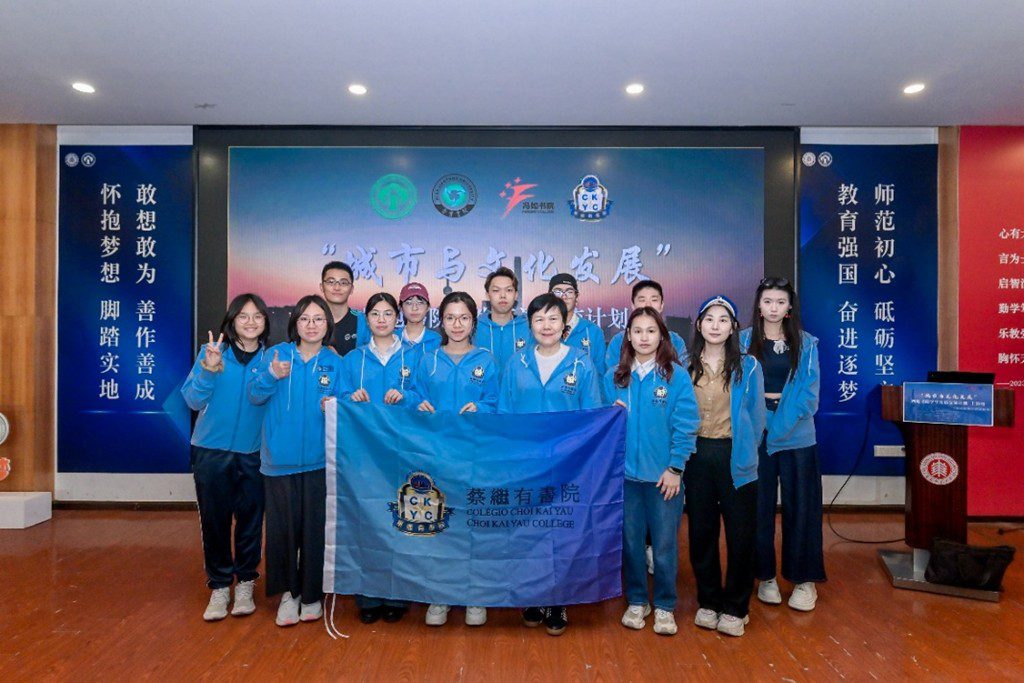
Group Photo of Representatives from Choi Kai Yau College
蔡繼有書院合影留念